
What kinds of roofs cover Mesa homes?
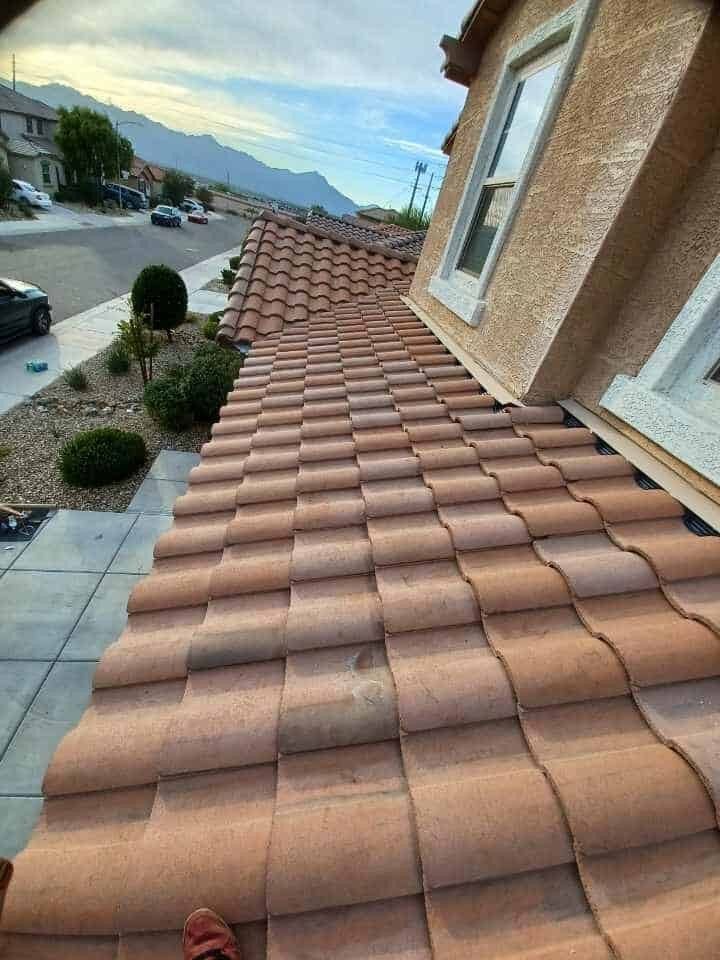
Mesa has nearly every roof type in the Valley because the city grew over many decades. Older neighborhoods near downtown often have shingle or low-slope roofs. Subdivisions from the 1980s and 1990s lean on concrete tile. Newer east Mesa communities like Eastmark mix tile, architectural shingle and flat sections over patios.
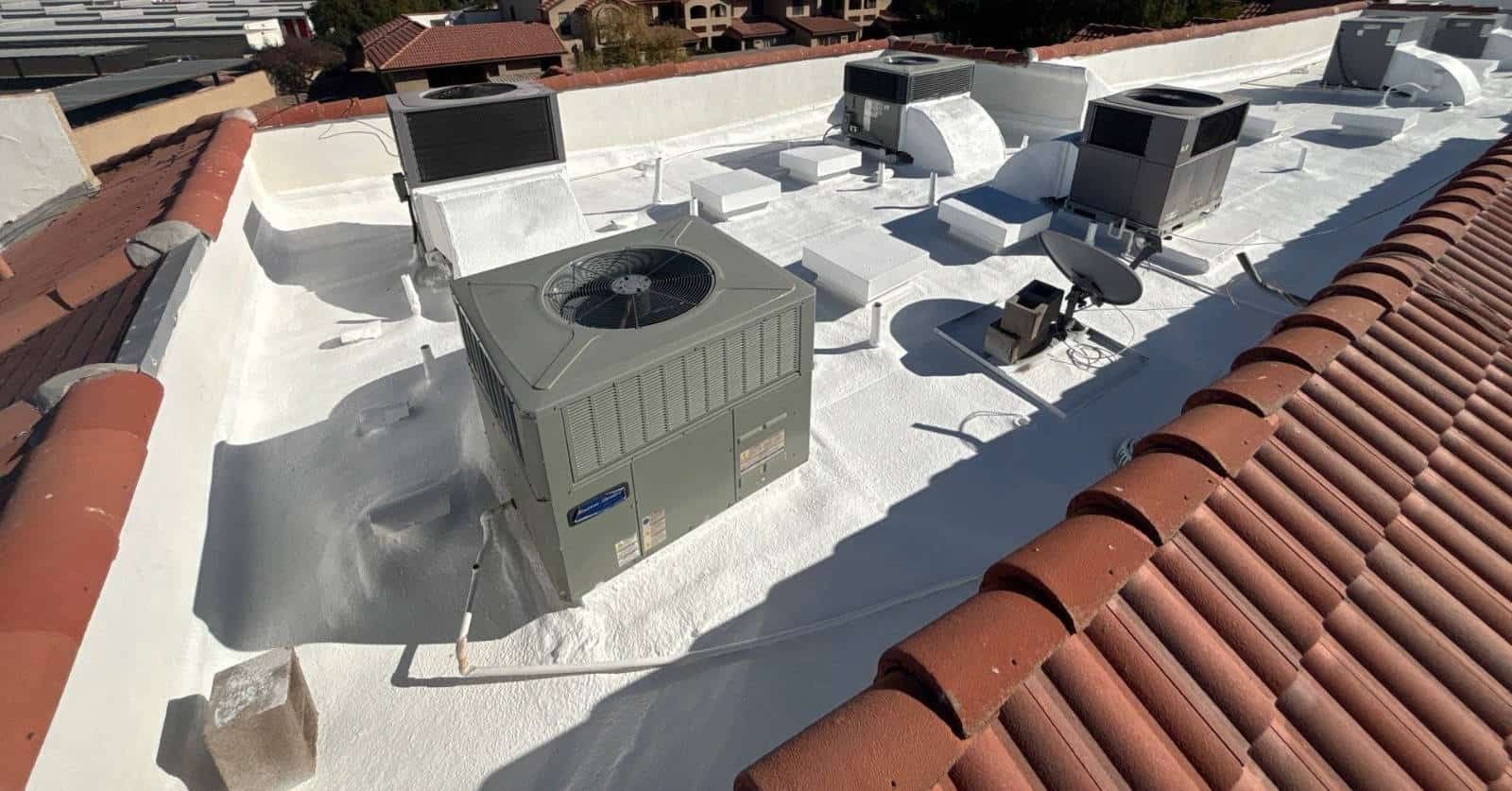
That spread means a Mesa roofer has to be comfortable with all of it. In Dobson Ranch, one of west Mesa’s older master-planned areas, you see a lot of tile and shingle roofs that are on their second or third decade. Up in Las Sendas and Red Mountain Ranch, near Usery Mountain, larger homes sit under concrete tile with more hips, valleys and roof-to-wall joints. Mesa also has many 55+ manufactured home communities, where low-slope roofs depend on a coating to keep water out.
| Roof type | Where you see it in Mesa | What usually fails first |
|---|---|---|
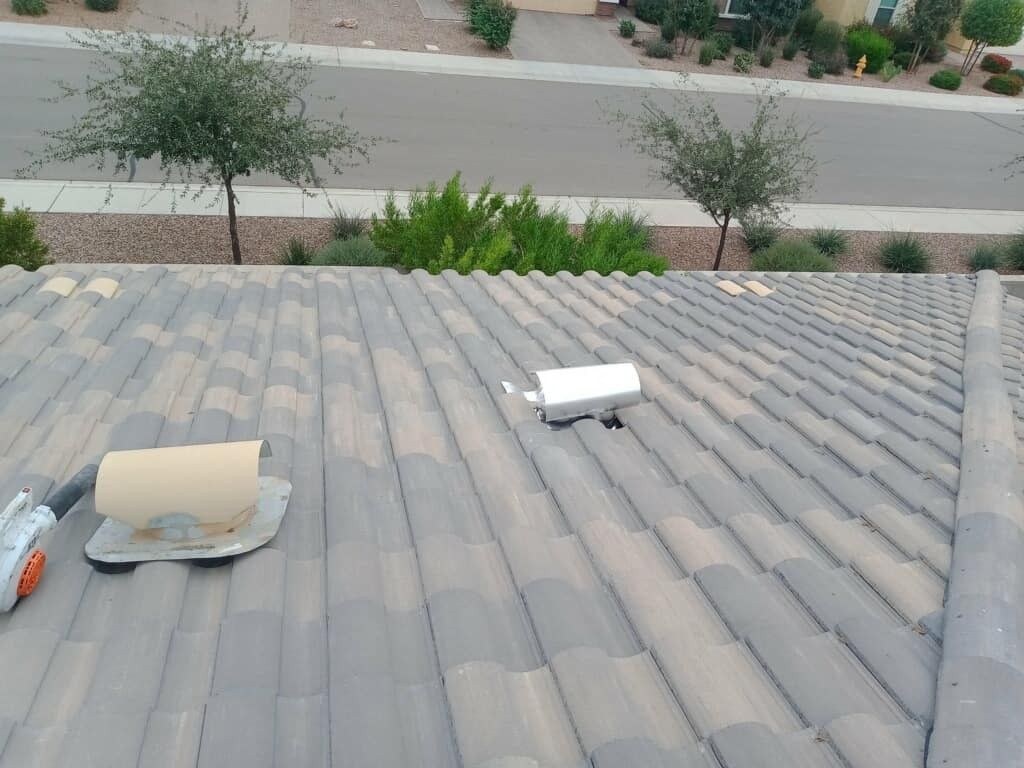
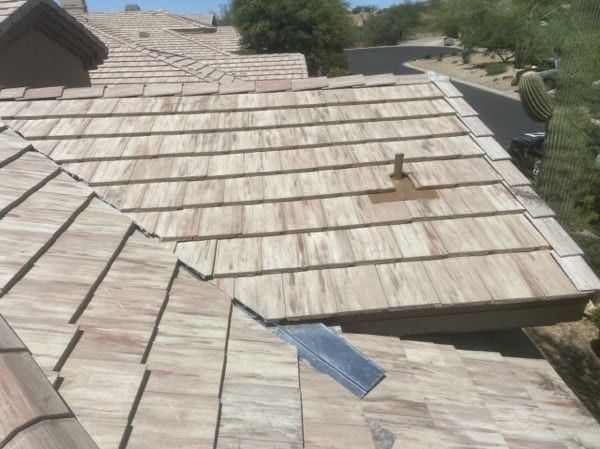
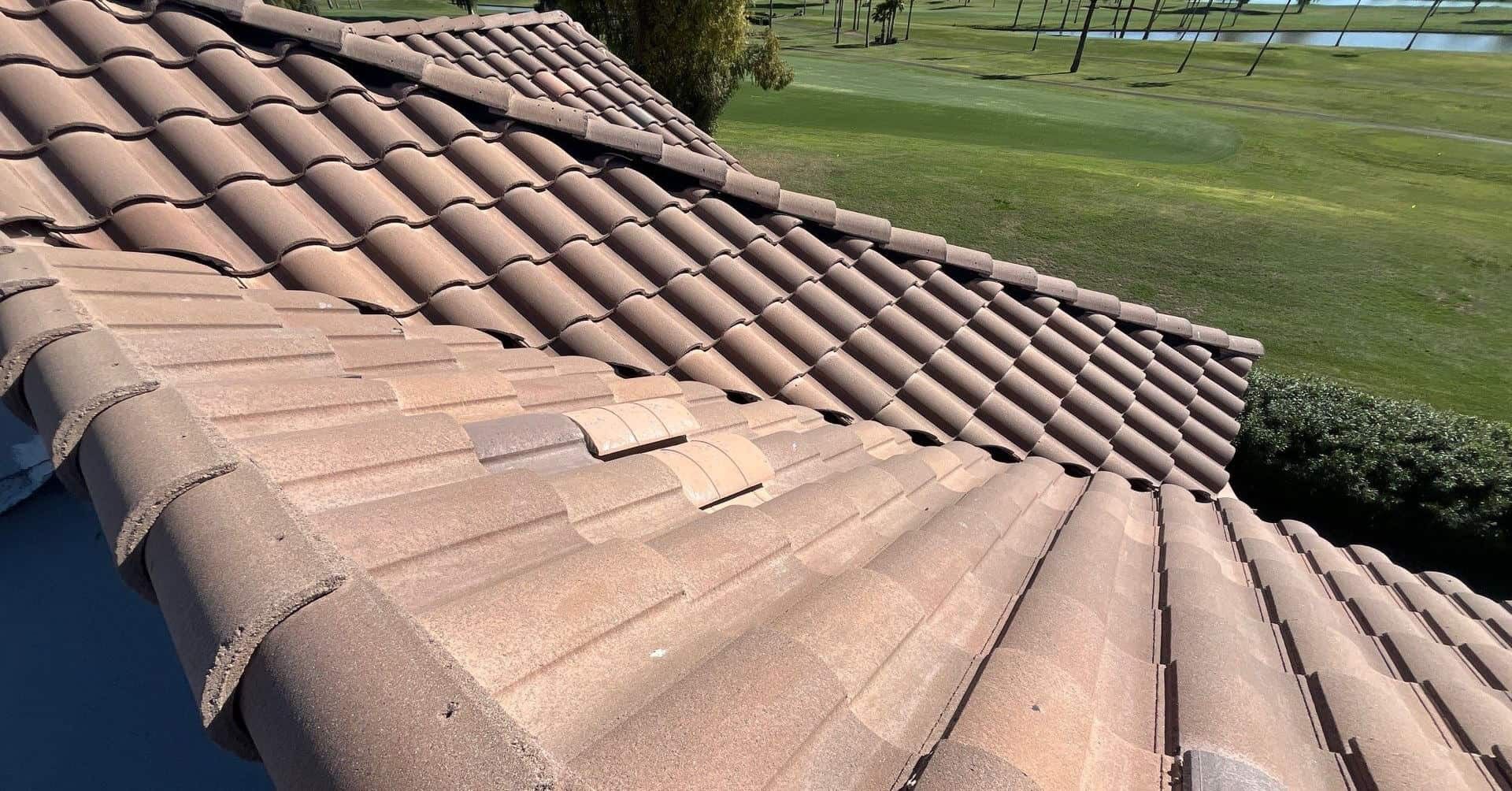
| Concrete tile | 1980s and newer subdivisions, Las Sendas, Red Mountain Ranch | Underlayment under the tile, valley metal, pipe vent flashing |
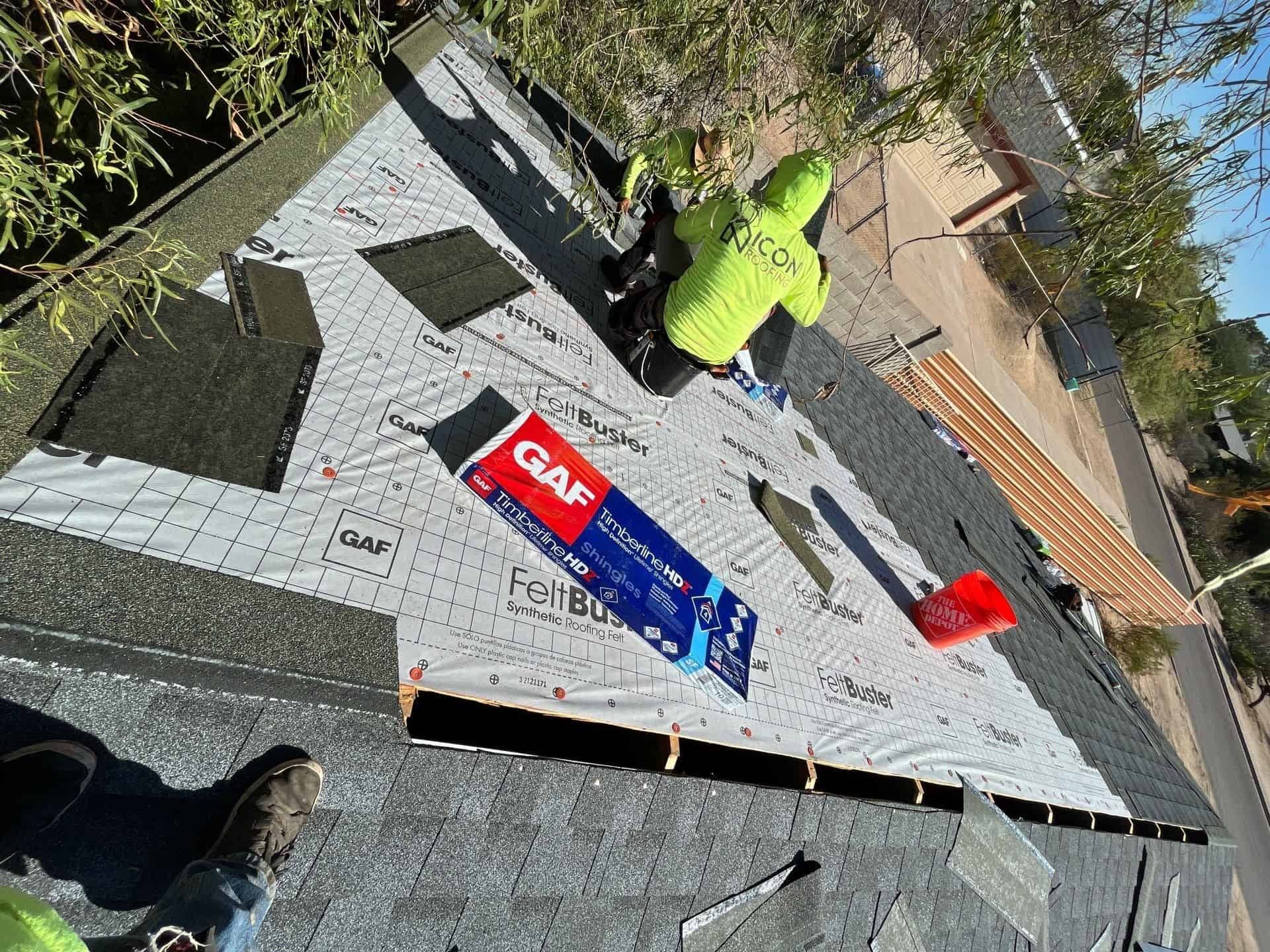
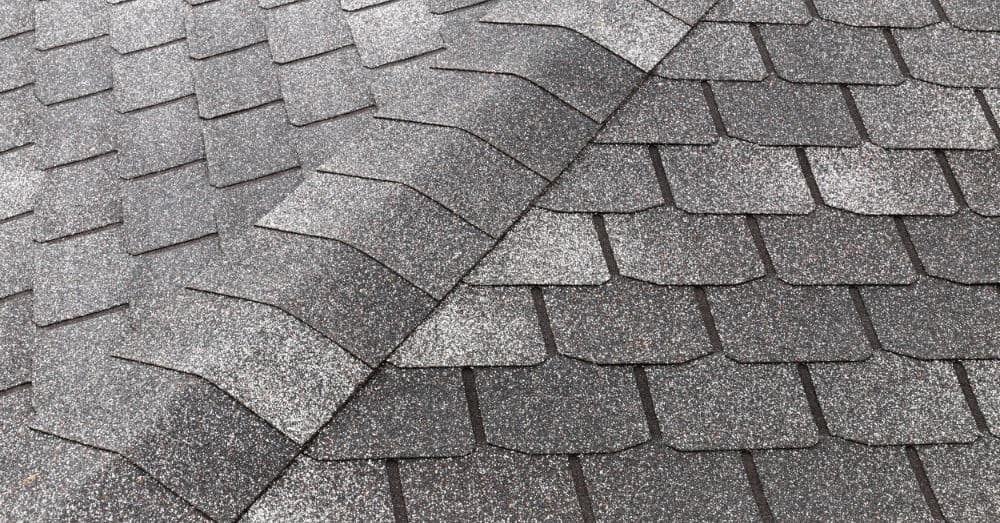
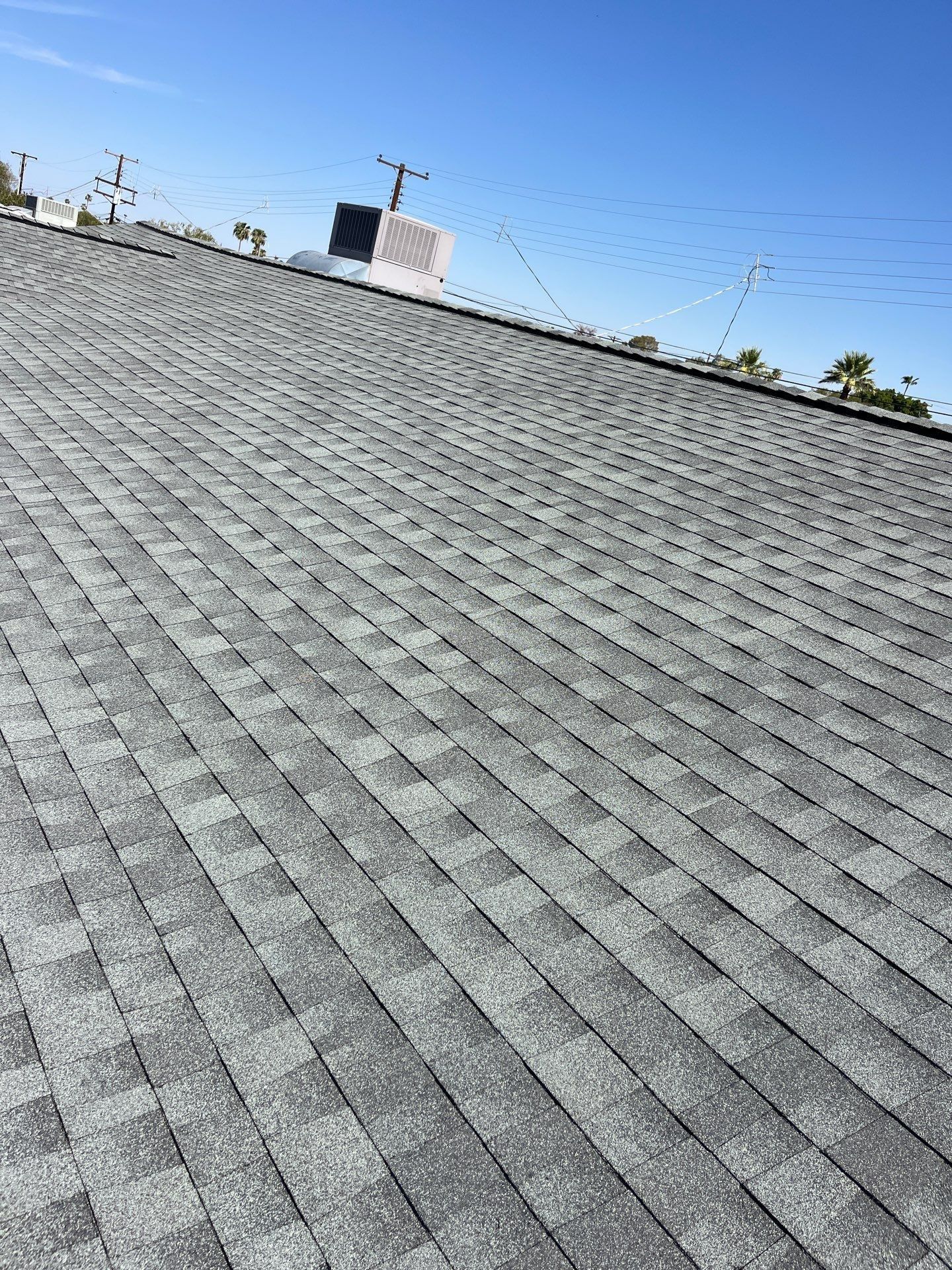
| Architectural shingle | Older neighborhoods, parts of Eastmark and Dobson Ranch | Sun-baked shingles losing granules, lifted tabs after wind |
| Foam or coated flat | Patio covers, additions, manufactured homes | Worn coating, then exposed foam or seams |
Why does a Mesa office matter for your roof?
Icon Roofing’s office sits at 2150 E Brown Rd Ste 4, so Mesa jobs are close to home for our crews and roof advisors. You can call or stop by during office hours, Monday to Friday from 8:00am to 4:00pm, to set up a free estimate or ask a question about work already done on your house.
Being local also means we see the same Mesa roof problems again and again. We know which tile profiles show up in which subdivisions, and how storms tend to hit the east side of the city. Zac Payne worked 8 years in the roofing industry before he founded Icon Roofing, and the company is a GAF Master Elite contractor. That status lets us offer the GAF Golden Pledge limited warranty when the system qualifies. You can read more about what the GAF Master Elite status means for your warranty.
How do monsoon storms from the east damage Mesa roofs?
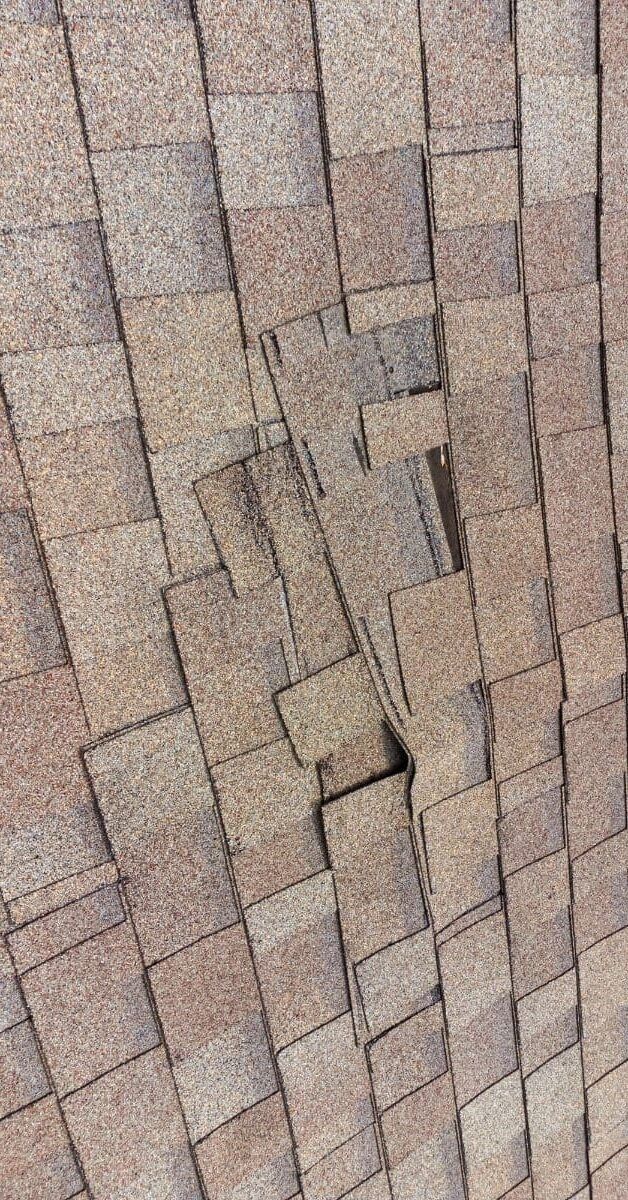
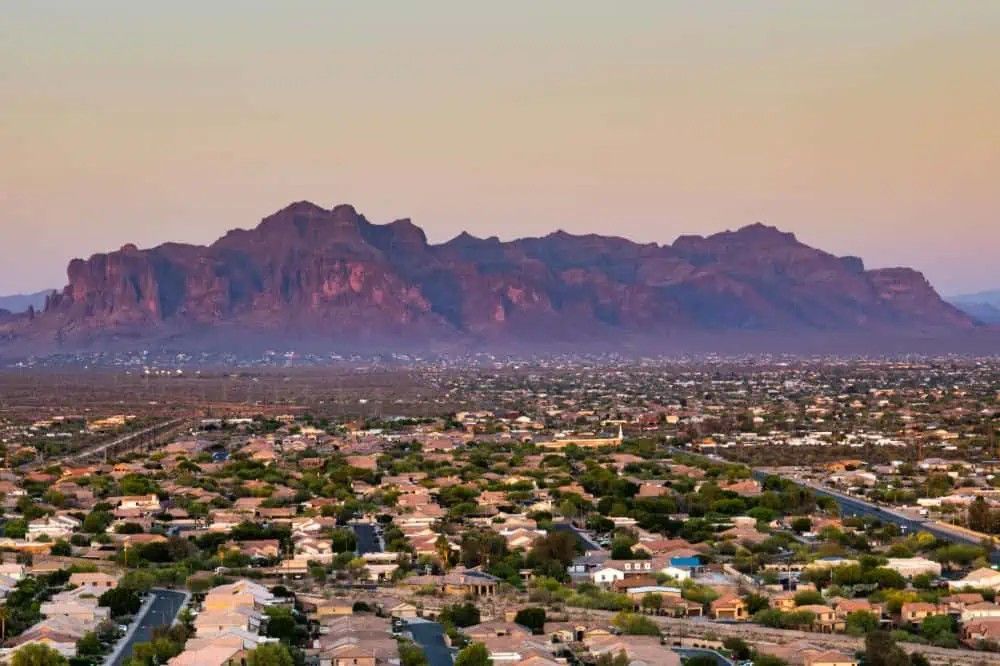
Many monsoon storms form over the higher terrain east of the Valley, including the area around the Superstition Mountains, and push west into Mesa. They bring strong outflow wind, blowing dust and short bursts of heavy rain. Those winds lift shingle tabs, slide loose tile out of line and drive rain under flashing that dried out in the summer heat.
The National Weather Service in Phoenix treats June 15 to September 30 as monsoon season, so a Mesa roof can take several hits in one summer. Hail falls some years, and it can crack tile and bruise shingles even when the roof looks fine from the street.
After a storm, walk around the house and look for:
- Shingle pieces or tile fragments in the yard or gutters
- Tile that sits crooked or has slid down the roof
- Dark streaks or bulges on ceilings, especially near fans and vents
- Granules collecting at the end of downspouts
If you find damage and plan to file a claim, our guide to filing a roof damage insurance claim after a storm walks through what to document first.
Can a worn Mesa tile roof be repaired instead of replaced?
Often, yes. Concrete tile on many Mesa homes outlasts the underlayment beneath it. When leaks come from worn underlayment in a few areas, a crew can lift the tile, replace the underlayment and relay the same tile. When the underlayment has failed across most of the roof, replacing all of it usually costs less over time.
We start by checking the valleys, the low eaves and every pipe and vent that passes through the roof. Those are the places where water runs under tile first in Mesa’s heat. If the damage is limited, repairing cracked tile and worn underlayment on a Mesa home can buy you years. If the underlayment is brittle everywhere, we will show you photos and explain why a full underlayment replacement makes more sense.
Shingle roofs are a different call. Once shingles curl, crack and shed granules across the whole roof, spot repairs rarely hold. For those homes, replacing an aging shingle roof in Mesa with a new GAF system is usually the better value.
What should Mesa HOA and 55+ community homeowners know before a reroof?
Many HOAs in Mesa require approval of roof color and material before work starts, and that includes master-planned areas like Las Sendas, Red Mountain Ranch and Eastmark. Plan for that review in your schedule. Icon Roofing can give you product names, color samples and spec sheets so your application has what the board asks for.
In 55+ communities like Leisure World and the many manufactured home parks around the city, the questions are often about access, noise and timing. Tell us about any community rules for work hours, parking or dumpsters so we can plan around them. If you are not sure what your roof needs yet, a roof inspection before you plan any work gives you a clear list of problems and photos you can share with your HOA or family.
How do Mesa apartment and condo owners keep roofs on a schedule?
Mesa has many apartments, condos, townhomes and duplexes, and a planned inspection schedule keeps small leaks from turning into unit damage. Icon Roofing inspects multi-family roofs, reports what each building needs, and handles repairs or replacements building by building so you can plan the work around residents.
For property managers, we recommend an inspection before monsoon season and another after it ends. The NRCA also advises checking roofs twice a year and after severe weather. Our team handles multi-family roof repair for Mesa apartment and condo buildings, including tile, foam and shingle sections on the same property. If your portfolio crosses city lines, we also serve owners just west of here, and you can see how we handle roof repair and replacement in Tempe or roofing help for Gilbert homeowners.
Larger projects can be split over time when budgets are tight. Ask about roof financing through Wisetack for single-family homes as well.