

What roofs are found on Paradise Valley estates?
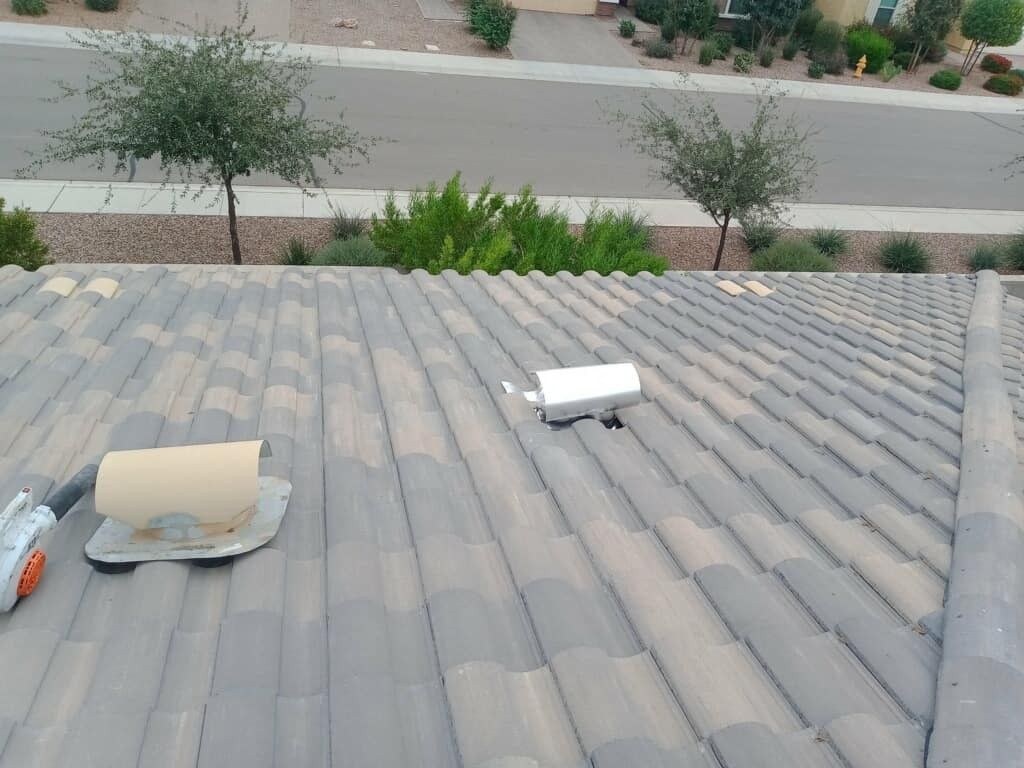
Paradise Valley estates mostly have clay or concrete tile roofs, often on large, custom rooflines with many hips, valleys and chimneys. Many homes also have flat sections behind parapets, standing seam metal accents, or, on some older estates, wood shake. Each material needs its own approach, and a single property can have three or four of them.
Paradise Valley is a small town of large lots set between Camelback Mountain, Mummy Mountain and the Phoenix Mountains Preserve. It is almost entirely residential, with resorts and a few civic buildings. Homes range from mid-century ranch estates to new custom builds, and many have been remodeled and expanded over the years. That history shows up on the roof: an original wing may carry clay tile while a newer addition has a flat roof or metal.
Neighborhoods like Camelback Country Club Estates sit on flatter ground with mature trees. Clearwater Hills and the homes on Mummy Mountain and the Camelback hillside climb into the slopes, often with dramatic views and tricky access.
Why do hillside homes on Camelback and Mummy Mountain need extra roof care?
Hillside homes on Camelback and Mummy Mountain take more wind, shed water faster during storms, and are harder to reach for repairs. Monsoon gusts can be stronger and shift direction on the slopes. Heavy rain runs off hard surfaces quickly and overloads valleys and gutters. Steep drives and tight lots also make tile delivery and staging slower.
Monsoon season lasts from mid-June through September 30. On a hillside home, that means ridge and hip tile take the brunt of wind, while valleys and lower roof edges collect water from above. Debris from desert plants washes into gutters and scuppers during the same storms.
What we check on hillside roofs:
- Ridge and hip tile for cracks and loose fasteners
- Valleys and roof-to-wall joints for worn underlayment and flashing
- Scuppers and drains on flat sections for debris dams
- Gutters and downspouts that handle runoff from higher roof sections
Access shapes the schedule too. On a steep lot, tile may need to come up in smaller loads and be set down where it will not damage pavers, walls or plants. We walk the site with you before the job, agree on where materials and debris will go, and plan the order of work so open sections are covered before the afternoon storms that build in summer.
How is a tile reroof handled on a large Paradise Valley home?
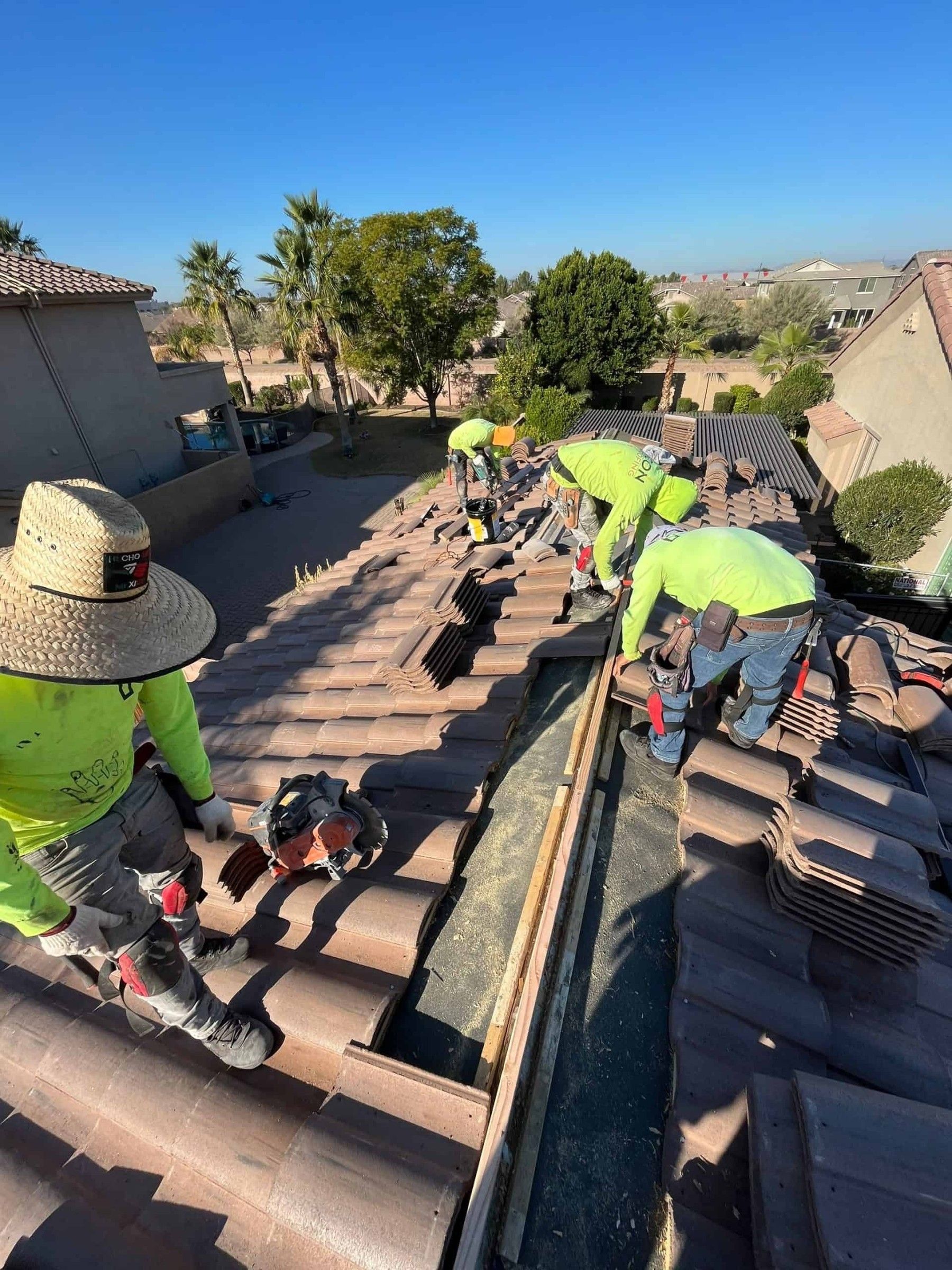
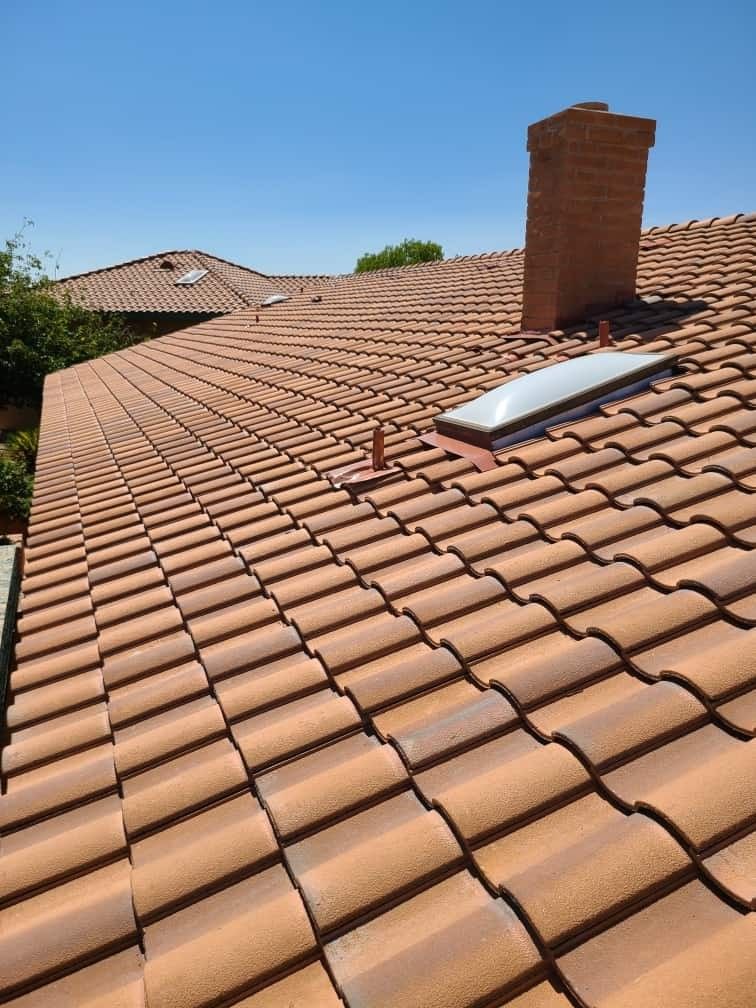
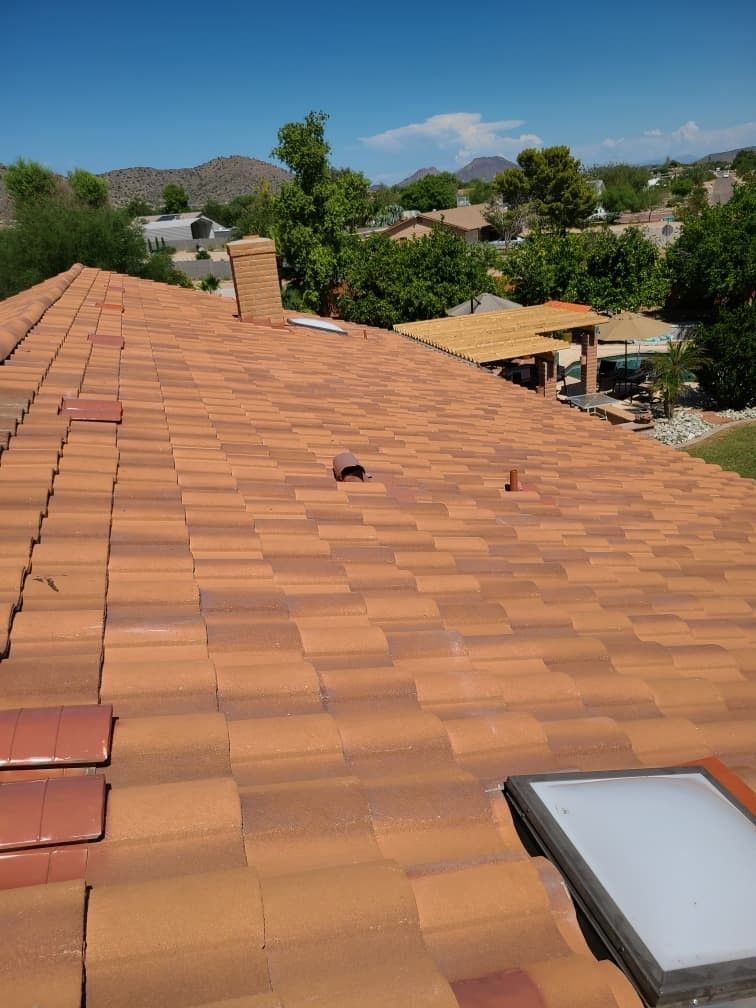
A tile reroof on a large Paradise Valley home starts with a detailed plan for removing, sorting and storing the existing tile, protecting the property, and staging work so the house stays watertight. Crews lift the tile, replace underlayment and battens, repair decking, update flashing, and relay the sound tile with matched replacements where needed.
Clay tile is beautiful and long-lasting, but it is brittle. It cracks when walked on carelessly or stacked badly. That is why careful handling matters as much as the new underlayment. When an original profile is no longer made, we work out where salvaged tile and new tile will go before anything comes off the roof.
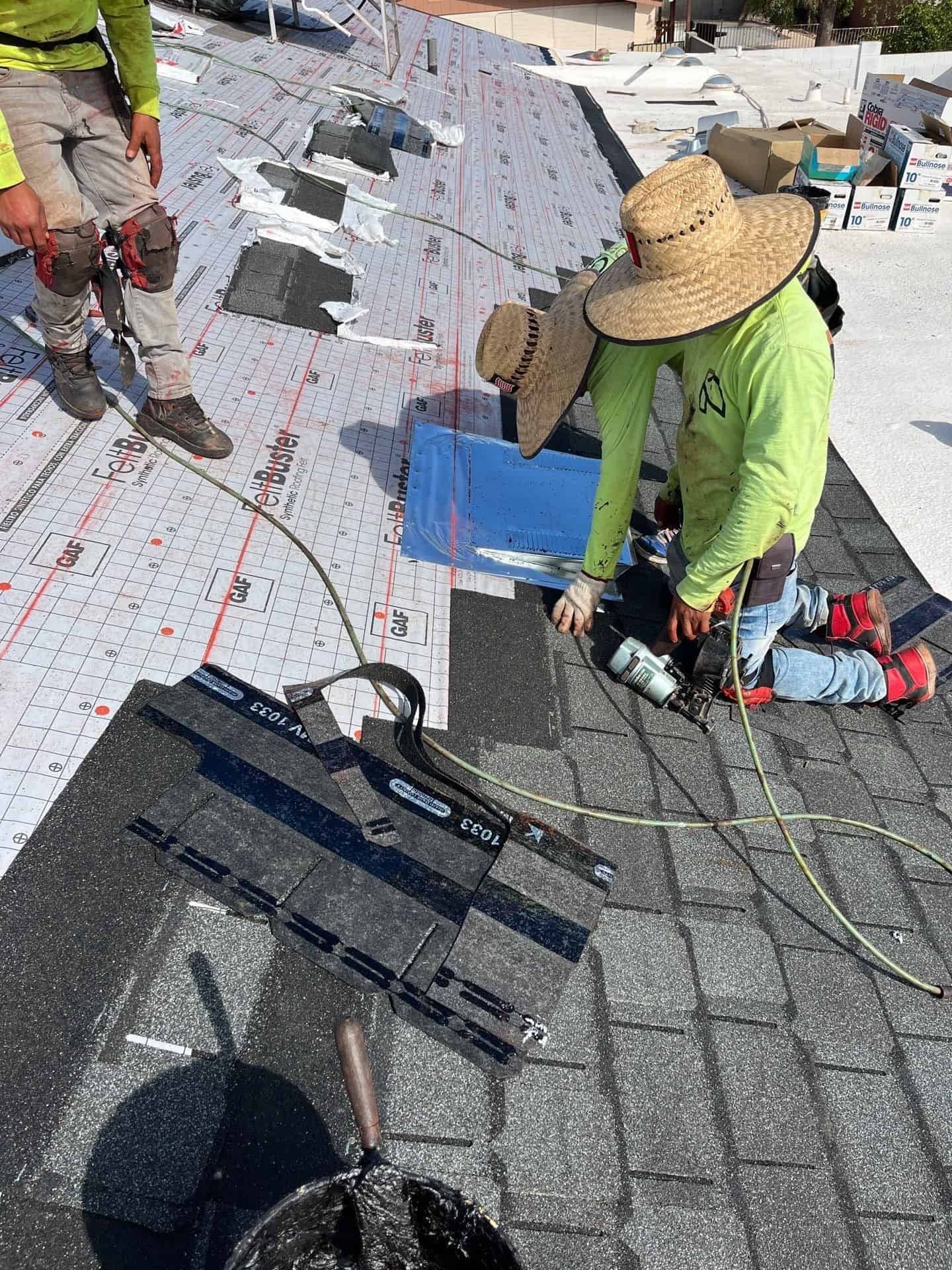
You can read how we approach replacing clay and concrete tile roofs on Paradise Valley homes. For leaks in one area, repairing a tile roof without a full reroof may be all you need. Our article on tile versus shingle roofing also covers how tile compares over its life. As a GAF Master Elite contractor, Icon Roofing can offer the GAF Golden Pledge limited warranty when the system qualifies.
What are your options for an aging wood shake roof in Paradise Valley?
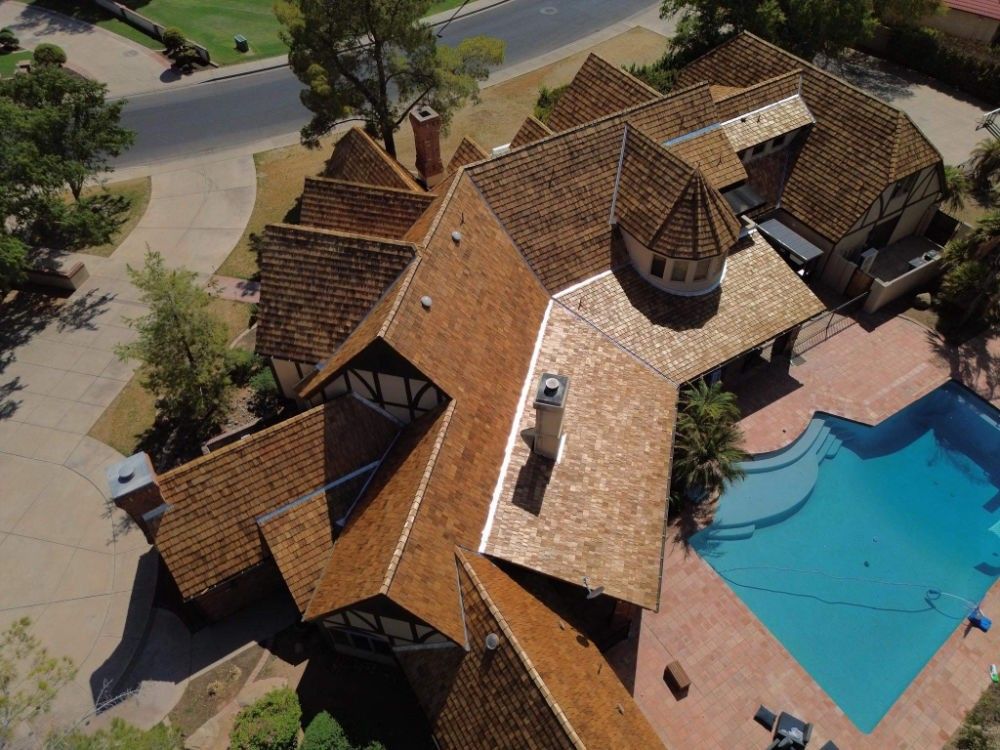
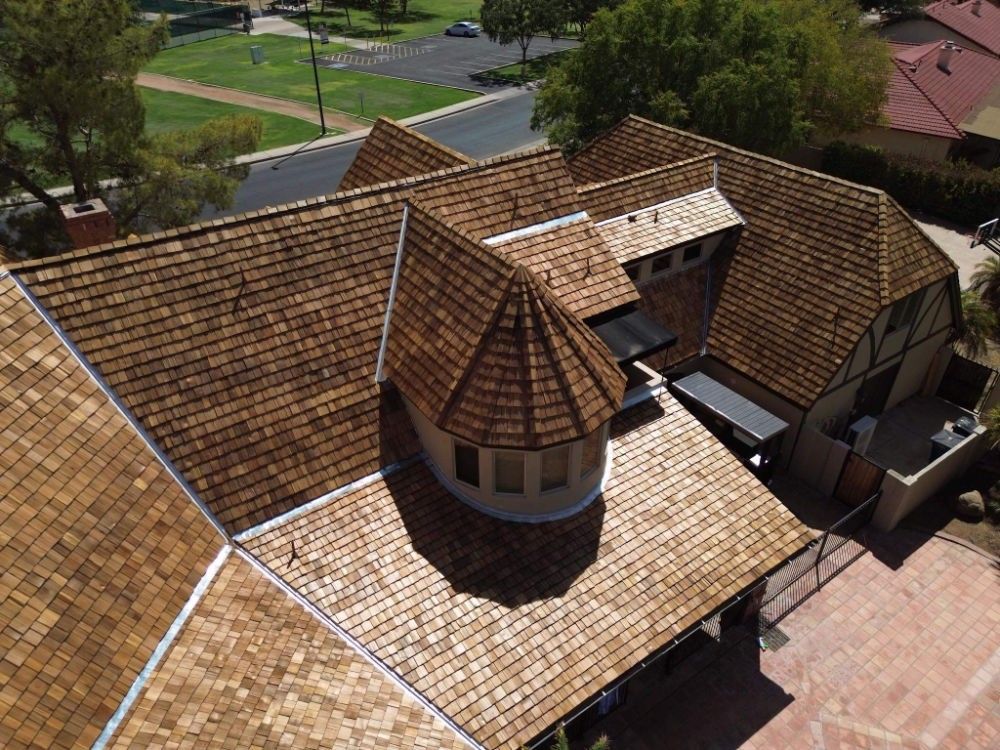
When a wood shake roof in Paradise Valley is split, cupped and dried out across most slopes, you can replace it with new shake or switch to tile, metal or another material that suits the home’s style. Arizona sun is hard on shake. Check with the Town of Paradise Valley and any HOA about material rules before you decide.
Shake roofs are less common than they once were, but some older estates still have them. The wood dries out in the heat, splits, and loses the tight overlap that keeps water out. Wind-driven monsoon rain then gets through the gaps. Signs to look for include split or missing shakes, shakes that have curled up at the edges, and gray, brittle wood that crumbles at the corners.
An inspection tells you whether you have years left or should plan a replacement now. If you switch materials, the roof structure may need to be checked for the added weight of tile.
How often should a Paradise Valley estate roof be inspected?
Inspect a Paradise Valley estate roof twice a year, before and after monsoon season, and after any major storm. The NRCA’s homeowner guidance supports that schedule. Large homes have many more places for small problems to start, including flat sections behind parapets that nobody sees from the ground.
Our residential roof inspections, part of our wider roof inspection services, cover every roof type on the property, including tile, flat, metal and shake. We send photos of each problem area so you can decide what to fix now and what to watch. If you spend part of the year away, a pre-monsoon inspection is a good way to avoid coming home to a leak.
We also work across the Northeast Valley. If you own property nearby, see how we handle tile, flat and metal roofs in Scottsdale.