
What roof types are common on Cave Creek properties?
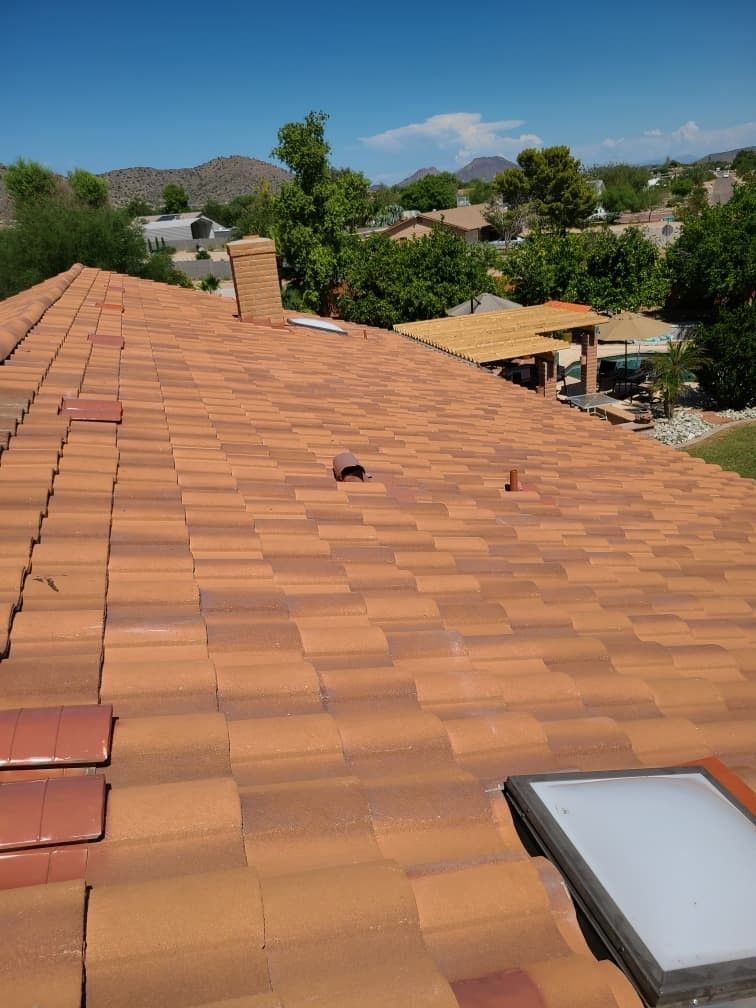
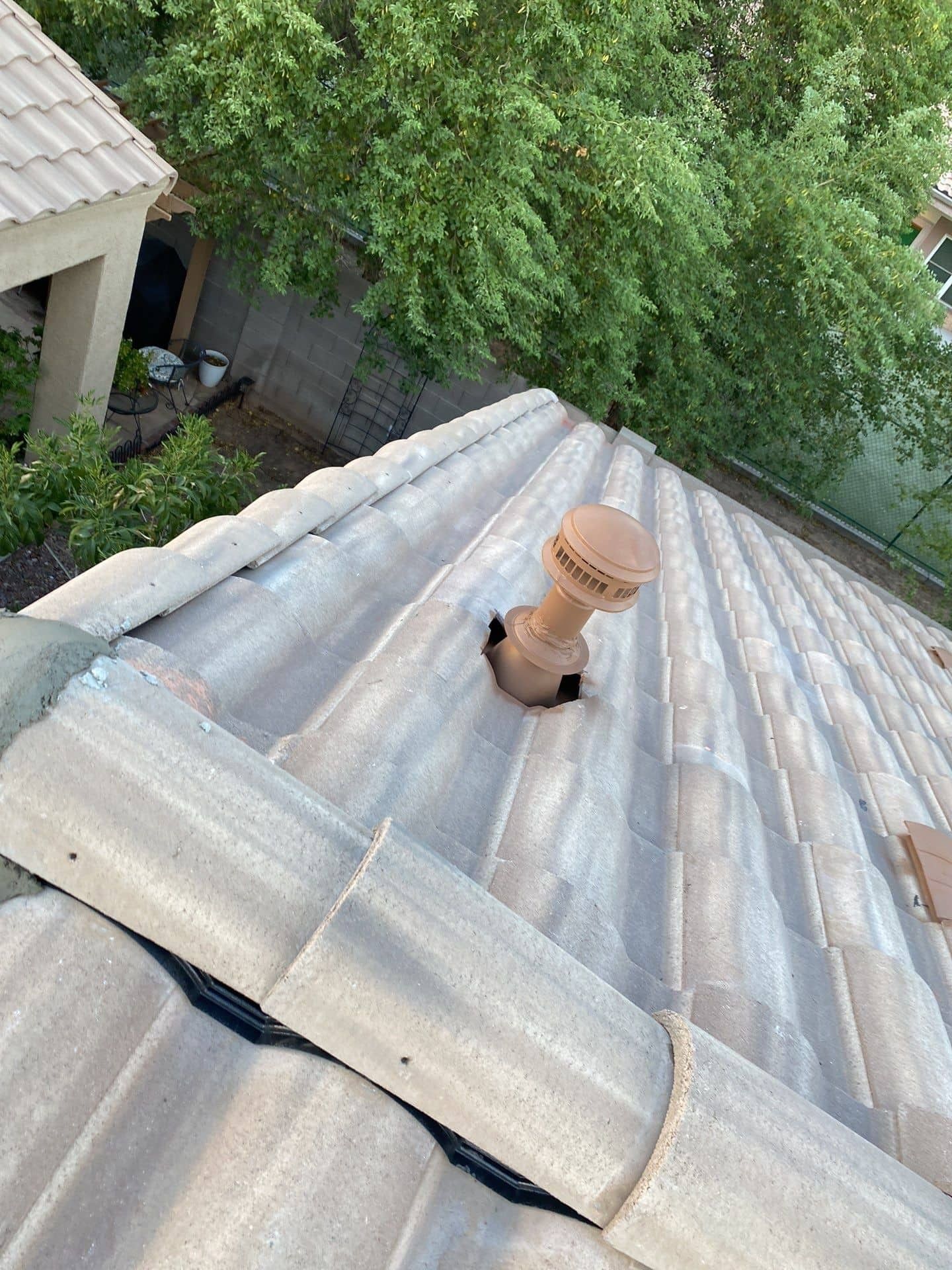
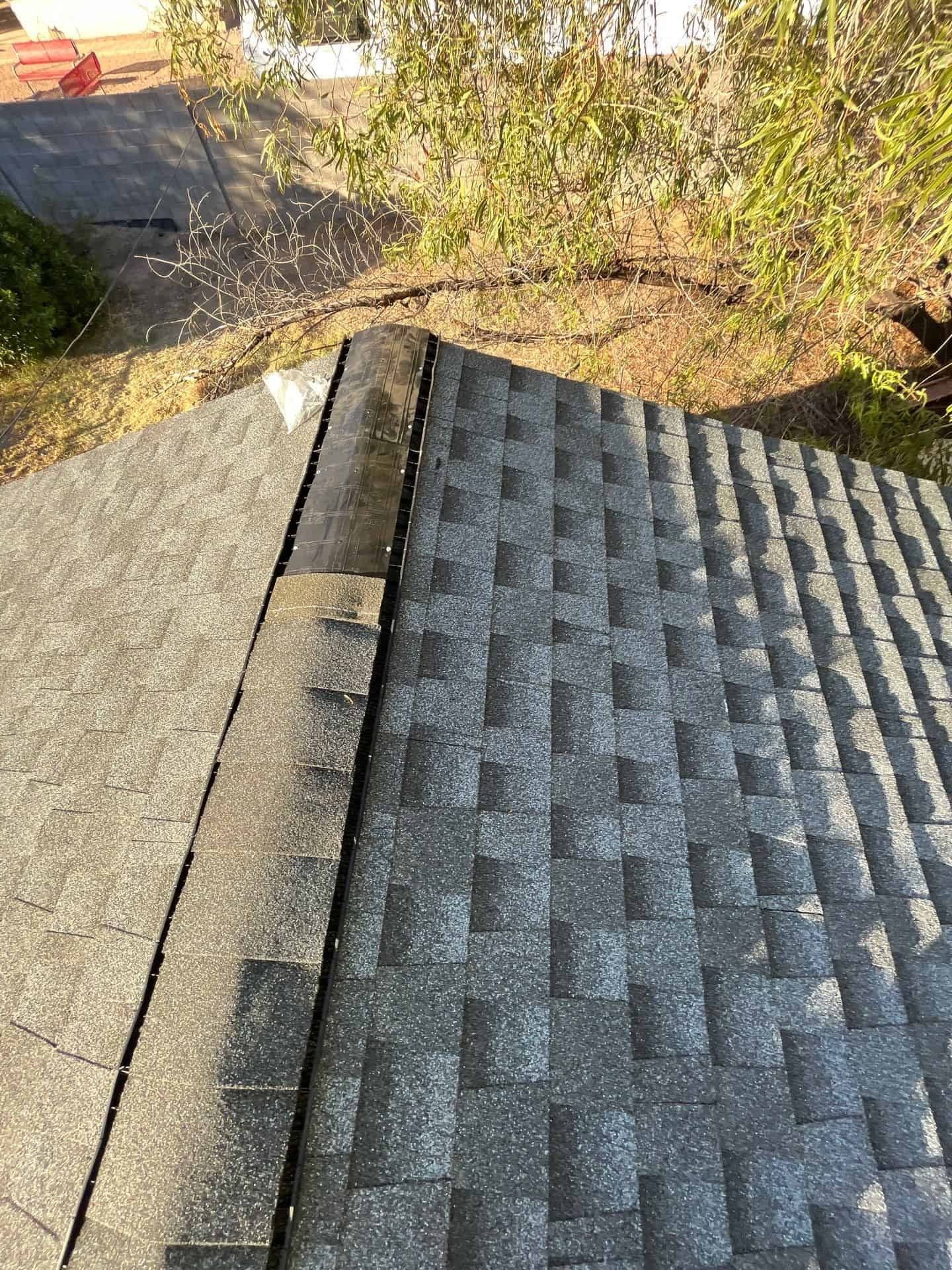
Cave Creek has a wider range of roofs than most Valley towns. Custom homes on large desert lots use clay or concrete tile, standing seam metal, or flat roofs hidden behind parapets. Ranch properties add corrugated metal on barns, workshops and casitas. Older homes near the town core often have shingle, metal or layered flat roofs from past repairs.
Many properties mix two or three of these on one house. A tile main roof may meet a flat roof over a courtyard and a metal roof over the porch. Each transition needs its own flashing, and those joints are where we find many of the leaks.
The large lots and long drives also mean roofs here are often far from neighbors. A small leak in a guest house or barn can run for months before anyone notices. A quick walk around every building after each big storm is worth the time.
How do you repair and replace metal roofs in Cave Creek?
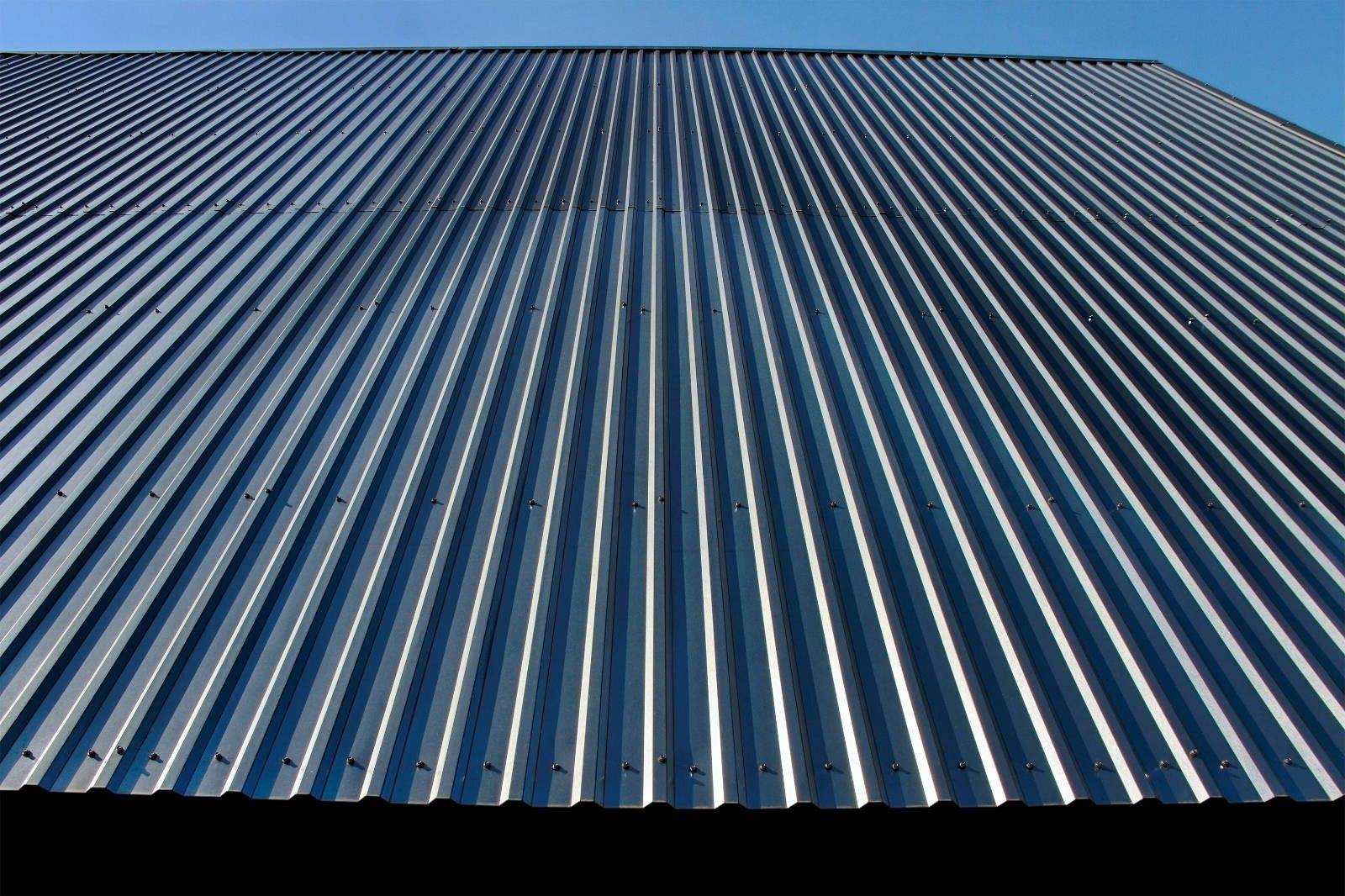
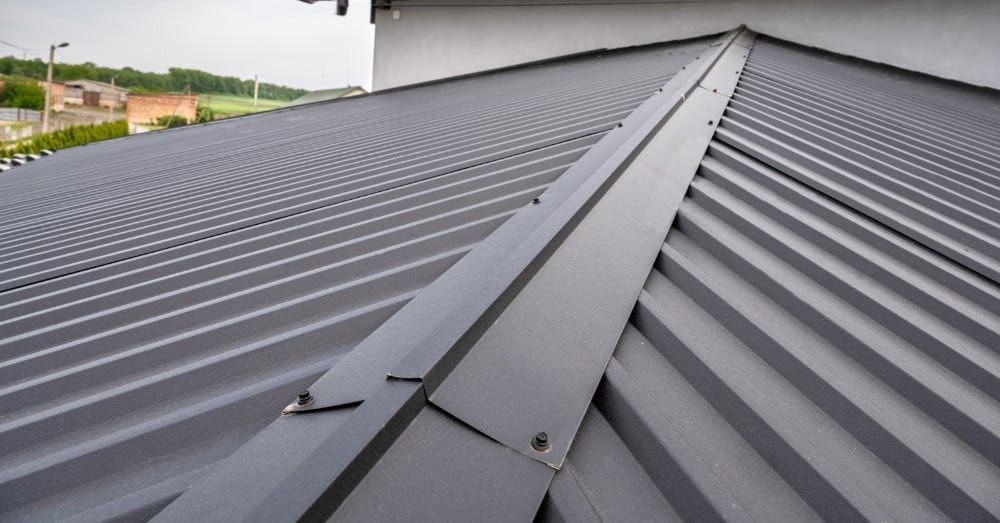
Most metal roof leaks in Cave Creek come from fasteners, not the panels. Screws back out as the metal expands and contracts in the heat, and the rubber washers under them dry and crack. We replace or upsize fasteners, reseal laps and flashing, and fix closures at the ridge and eaves.
Our metal roof repair for Cave Creek homes and barns covers both exposed-fastener corrugated roofs and standing seam systems. When panels are rusted through, badly dented or loose across the whole roof, replacement is usually the better value. Replacing a metal roof on a Cave Creek property lets you choose a new profile and color, add underlayment where none existed and upgrade the closures that keep wildlife out.
| Metal roof issue | What we do |
|---|---|
| Loose or rusted screws | Replace with new fasteners and washers |
| Leaks at panel laps | Clean, reseal and refasten the lap |
| Gaps at ridge and eaves | Add foam closures and new trim |
| Rust through panels | Replace panels or the whole roof |
Why do flat roofs with parapets on Cave Creek homes leak?
Flat roofs behind parapet walls leak most often where the roof meets the wall and where water leaves through scuppers or canales. Dust, leaves and nest material block those drains, and water then pools against the parapet. Over time it works under the flashing and into the walls and ceilings below.
Territorial and pueblo-style homes add more detail to watch. Wood vigas that pass through the wall need sealing where they exit. Stucco parapet caps crack and let water into the wall from above. We check each of these during an inspection.
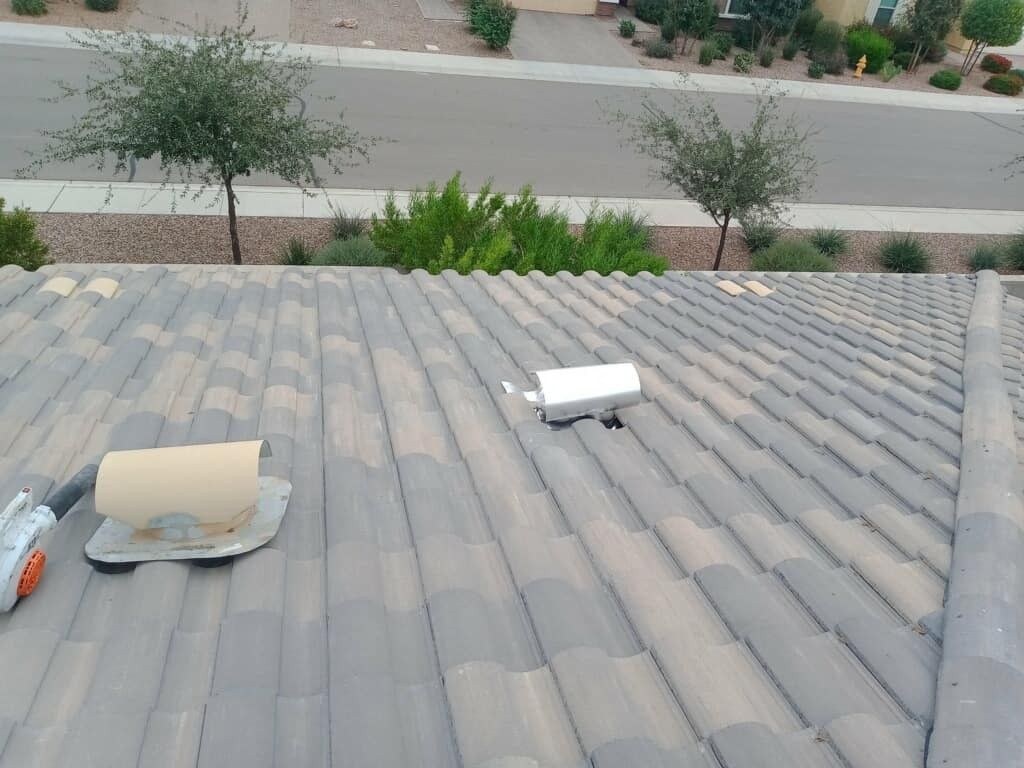
If your flat roof drains into a tile roof below, the spot where the water lands also needs attention. Constant runoff wears tile and underlayment faster in that area. For those problems, our tile roof repair service in Cave Creek replaces damaged tiles and adds protection under the drain.
How does desert wildlife damage Cave Creek roofs?
Packrats, birds, bats and bees all look for shelter under roofing, and Cave Creek’s open desert brings them close to homes. Once inside, they chew underlayment, pull insulation, block vents and leave nests that hold moisture against the roof deck. Bees can build large hives inside a roof cavity before anyone notices.
The fix is to close the gaps they use:
- Bird stops and eave closures under the first row of tile
- Foam closures at the ridge and eaves of metal roofs
- Screened vents with small openings
- Sealed gaps around pipes, flues and wiring
If bees are active, call a bee removal service first. We repair the roof once the hive is gone.
Signs that animals have moved in include scratching sounds in the ceiling at night, droppings near the eaves, chewed insulation in the attic and birds flying in and out under the first row of tile. Catching it early keeps the damage small. Left alone, a packrat nest under tile can hold enough moisture to rot the deck beneath it.
What does monsoon season look like for Cave Creek roofs?
Storms often form over the hills north of Cave Creek and move south across town, bringing sudden gusts, heavy rain and sometimes hail. Large open lots give wind room to build. Loose metal panels, tiles and flashing are the first things to move. Washes and dirt roads can also flood, which slows access after a big storm.
The National Roofing Contractors Association suggests inspecting your roof twice a year and after severe weather. A Cave Creek roof inspection before monsoon season lets us tighten fasteners, clear scuppers, reseal flashing and close wildlife gaps while the weather is dry. If you have outbuildings, include them. They often get less attention than the house and fail first. After a storm passes, a quick look for bent trim, lifted panel edges and tile pieces on the ground tells you whether to call.
How do I start a roofing project on my Cave Creek property?
Call Icon Roofing at (480) 427-7600 to schedule a visit. A roof advisor will look at every roof on the property you want checked, take photos and explain the options for each. You get a written estimate that separates the house from outbuildings, so you can decide what to do now and what can wait.
If you are choosing between materials, our post comparing tile and shingle roofs covers the trade-offs, and we can add metal to that conversation in person. We also work just east in Carefree’s custom home neighborhoods. Our phones are staffed weekdays, 8:00am to 4:00pm.