

What roofs are typical in San Tan Valley neighborhoods?
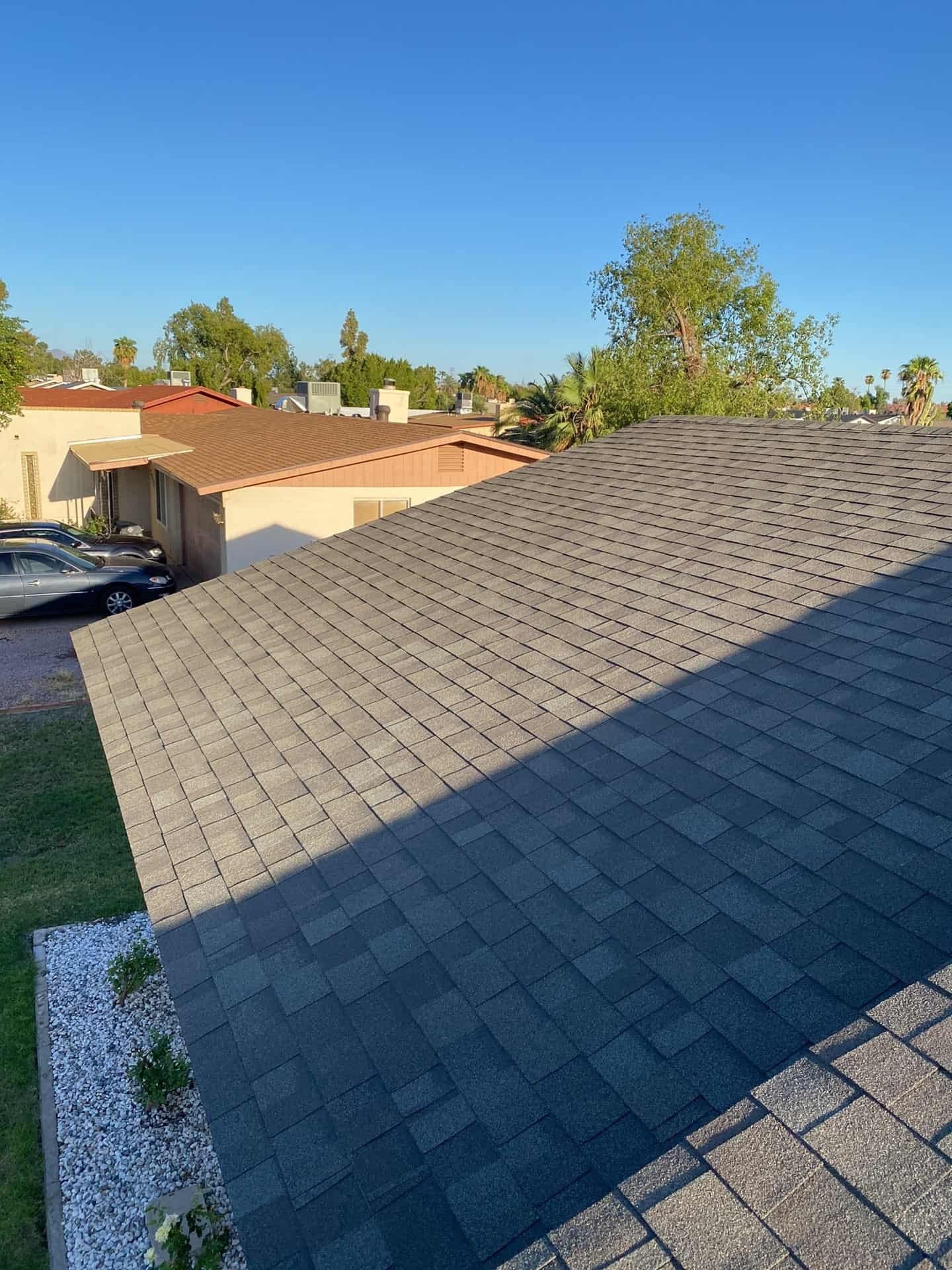
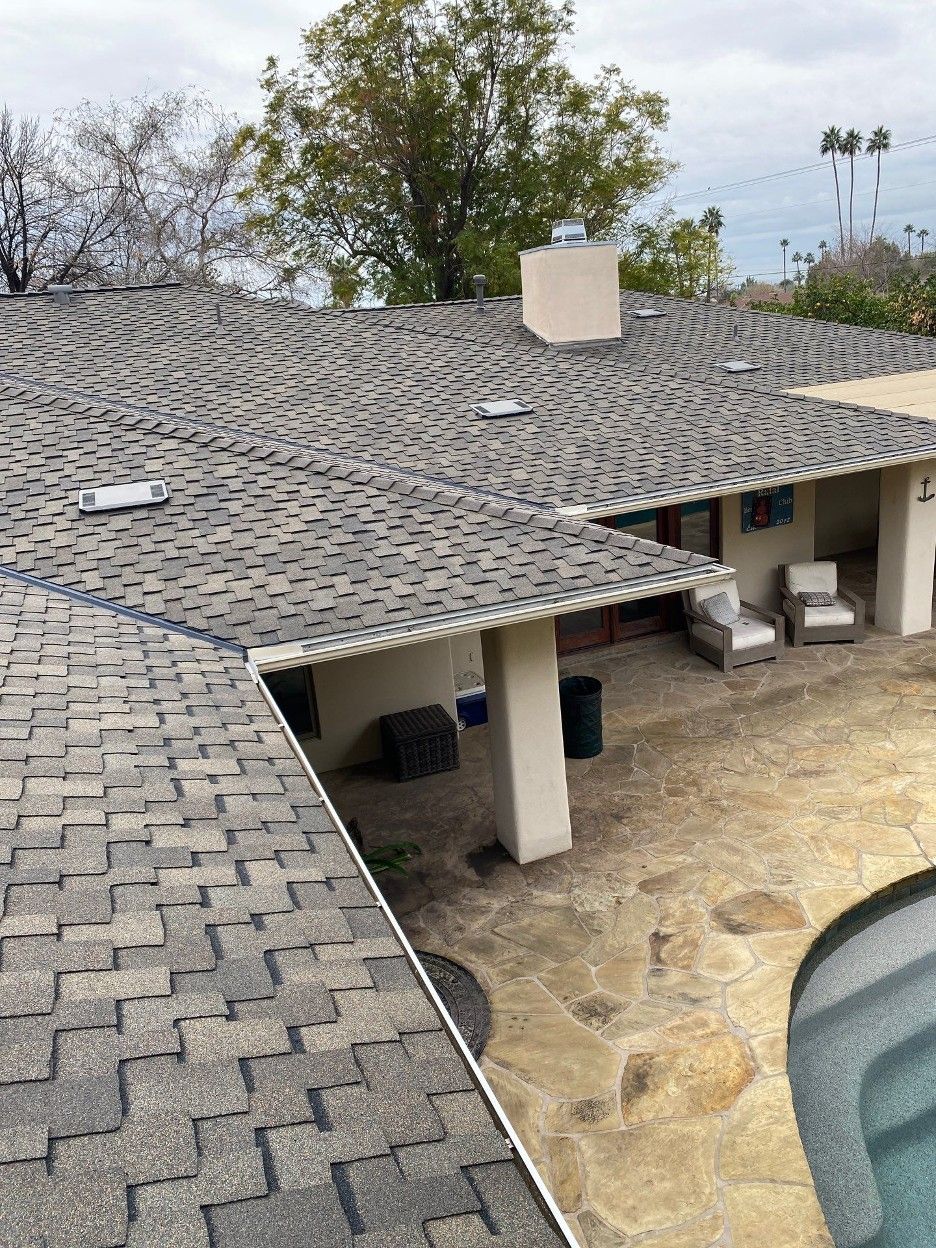
Most San Tan Valley homes have asphalt shingle roofs, with concrete tile on some larger or newer houses. The area grew quickly in the early and mid-2000s as large subdivisions like Johnson Ranch, San Tan Heights and Pecan Creek filled in. Many still have their original shingles, now well into middle age.
San Tan Valley sits in Pinal County, south of Queen Creek, with the San Tan Mountains to the west. The subdivisions are spread across what was mostly open desert and farmland. Johnson Ranch is built around a golf course. Copper Basin, Skyline Ranch and Rancho Bella Vista added more production homes on the north and east sides.
Because so many houses went up in the same years, roofs tend to age in waves. Builders often used similar shingle lines across entire neighborhoods, which is why you may see several roofs on your street showing wear at once.
Why do San Tan Valley roofs take so much storm damage?
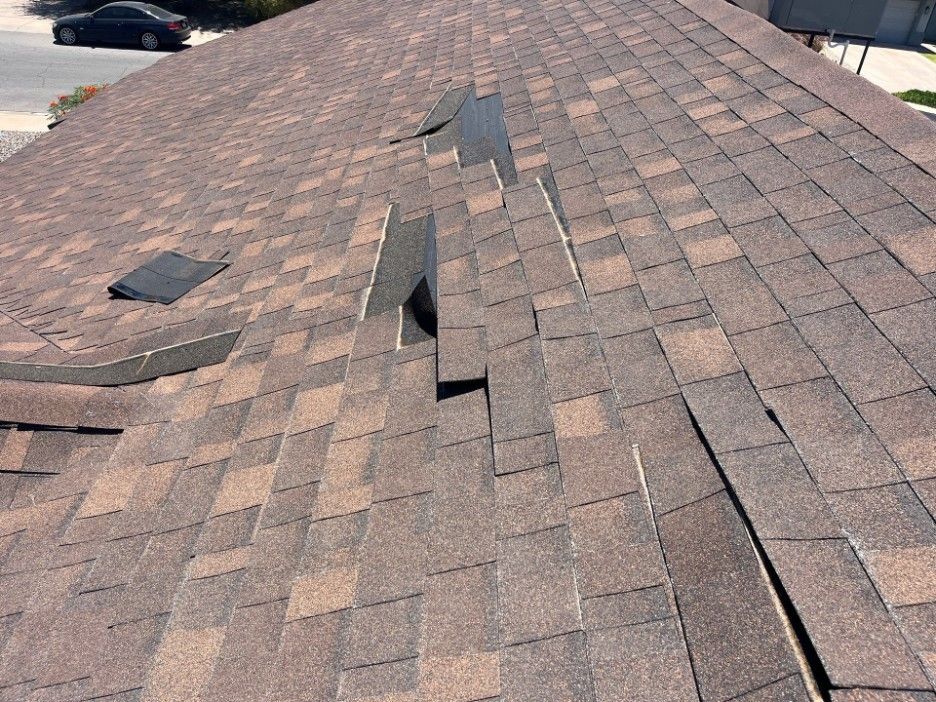
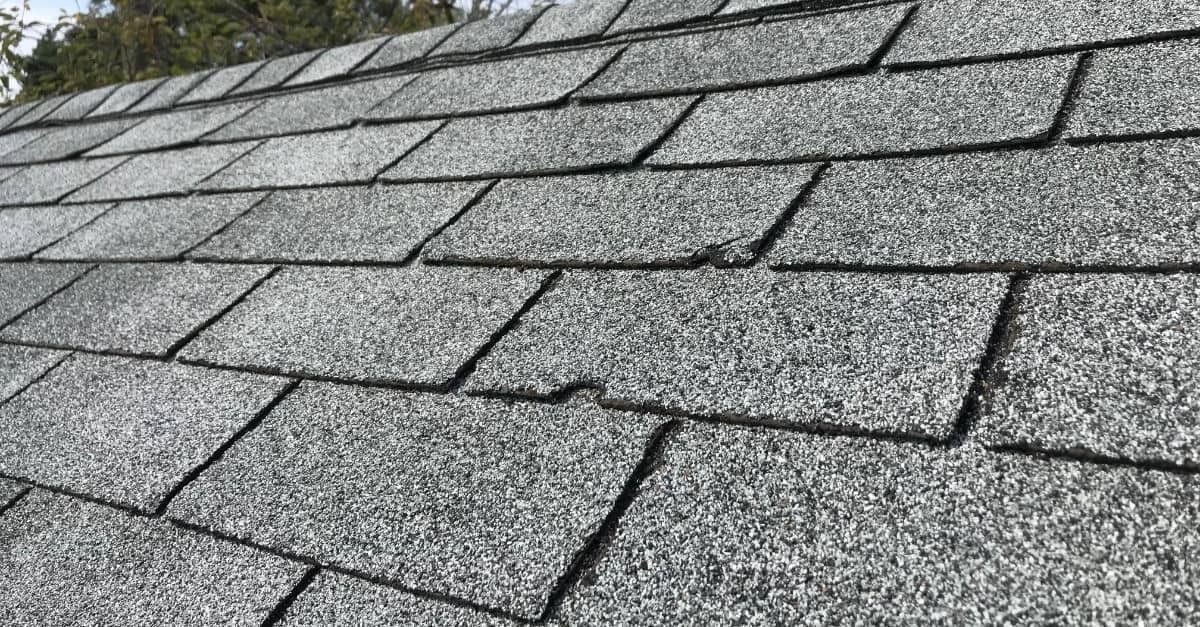
San Tan Valley roofs take heavy storm damage because many homes sit next to open desert or fields with nothing to slow the wind. Monsoon outflow gusts reach rooftops at full strength, lifting shingle tabs along ridges and edges. Haboobs add a coat of fine dust, and hail some years bruises shingles that already have thin granules.
The monsoon runs from June 15 to September 30, and the Phoenix office of the National Weather Service tracks each storm across the region. Homes on the outer edges of subdivisions, those backing onto washes or desert, and two-story houses tend to see the most wind damage.
The most common storm problems we find in San Tan Valley:
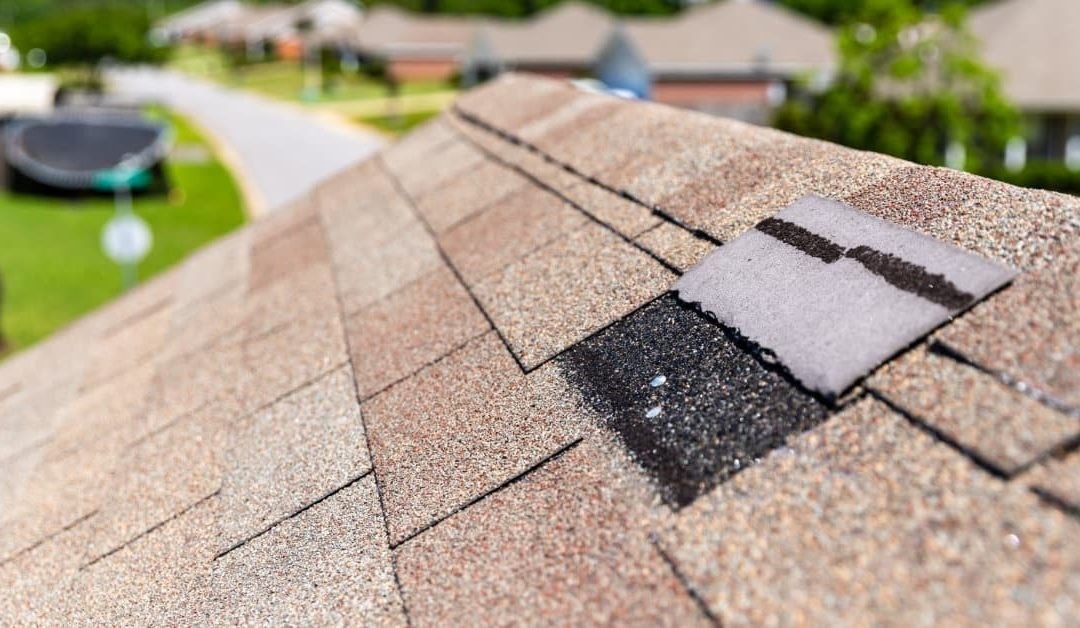
- Shingles torn off or creased along ridges, rakes and hips
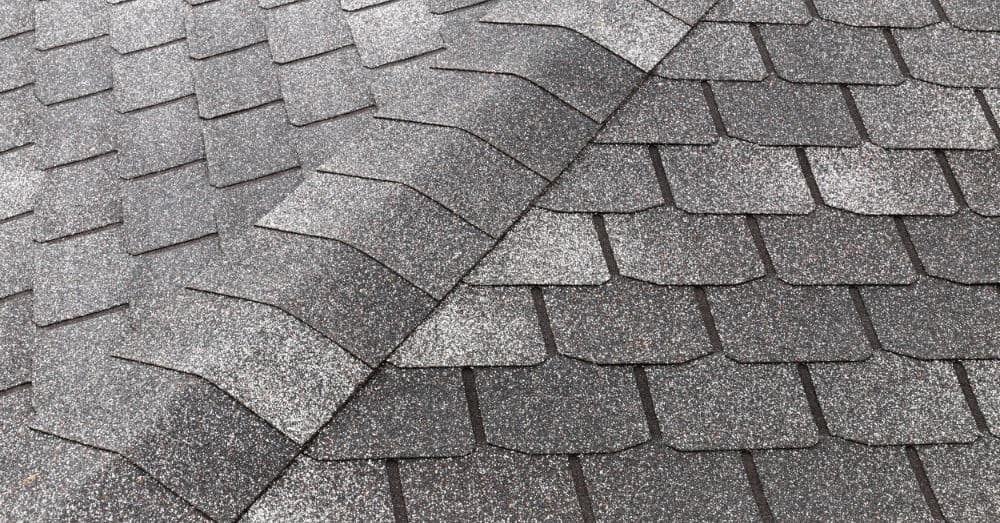
- Ridge caps cracked or missing
- Pipe vent boots split after years of sun, then opened up by wind
- Gutters bent or pulled loose, and downspouts packed with mud
What should you do after a storm damages your San Tan Valley roof?
After a storm damages your San Tan Valley roof, take photos from the ground and inside your home, collect any shingle pieces from the yard, and call for an inspection. Cover an opening only if you can do it safely from a ladder. Do not walk a wet or damaged roof. Quick documentation helps any insurance claim.
When we inspect, we photograph each damaged area and note what we find so you have a clear record. Our storm damage repair service for San Tan Valley homes covers wind, rain and hail damage on shingle and tile roofs. If you plan to file a claim, read how a roof damage insurance claim works before you call your insurer. Coverage depends on your policy, and wear and tear is usually not covered.
How long will a boom-era shingle roof in San Tan Valley last?
A shingle roof installed in the mid-2000s in San Tan Valley is likely near the end of its life now. Asphalt shingles in the Arizona sun commonly last around 15 to 25 years, depending on product, attic ventilation and exposure. Roofs on south and west slopes, and homes with poor attic airflow, usually wear out first.
If damage is limited to one area and the rest of the roof is sound, a shingle repair on your San Tan Valley home can carry you several more years. We match color as closely as current products allow and reseal nearby flashing and vents. If the shingles are brittle and bald across most of the roof, we will tell you replacement is the better use of your money. A full roof inspection gives you photos of each slope so you can see the condition yourself.
How do San Tan Valley HOAs affect a reroof?
Many HOAs in San Tan Valley require approval of roof color and material before a reroof, and some keep a list of approved shingle colors. Ask your HOA for its guidelines before you choose. Plan for the review in your timeline, and keep the approval letter handy for the crew on install day.
Icon Roofing can supply the product name, color sample and spec sheet your HOA application asks for.
Rooftop solar is common in San Tan Valley too. If your home has panels, talk with your solar provider early, because the panels have to come off before a reroof and go back on after. Build that into your schedule along with the HOA review. It is also a good time to ask whether any panel mounts have been leaking, since those penetrations get covered by the new roof.
Does Icon Roofing install new roofs in San Tan Valley?
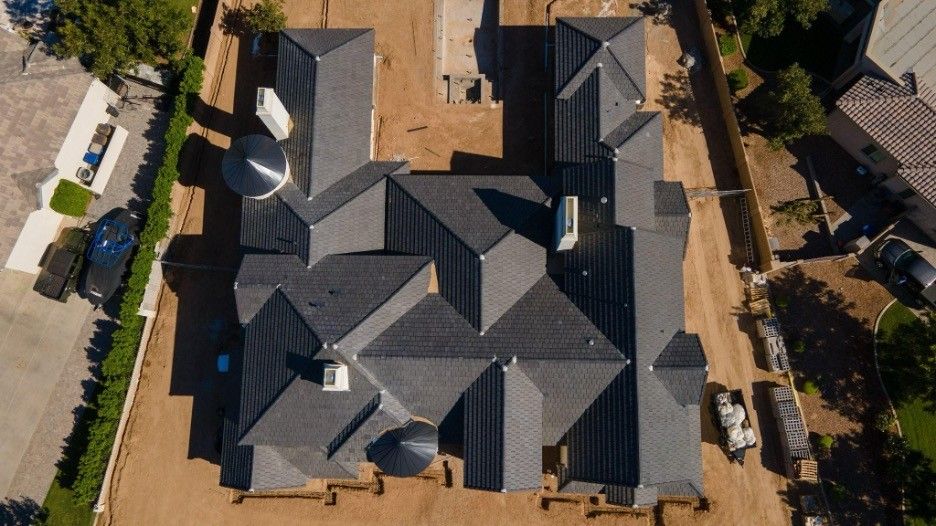
Yes. Icon Roofing installs new roofs on custom homes, additions, casitas and detached garages in San Tan Valley. We install shingle, tile and low-slope systems with new underlayment, drip edge, flashing and ventilation. Additions need extra care where the new roof ties into the existing one, since that joint is a common leak point.
Our new roof installation work follows the same steps whether the building is a full house or a small casita. For casitas and garages, we can match the main house’s shingle color when the product is still made, so the property looks consistent from the street. Planning an addition? Bring a roofer in before framing is finished so pitch and drainage are settled early. If you live near the county line, we also serve Queen Creek homes and outbuildings just to the north.