
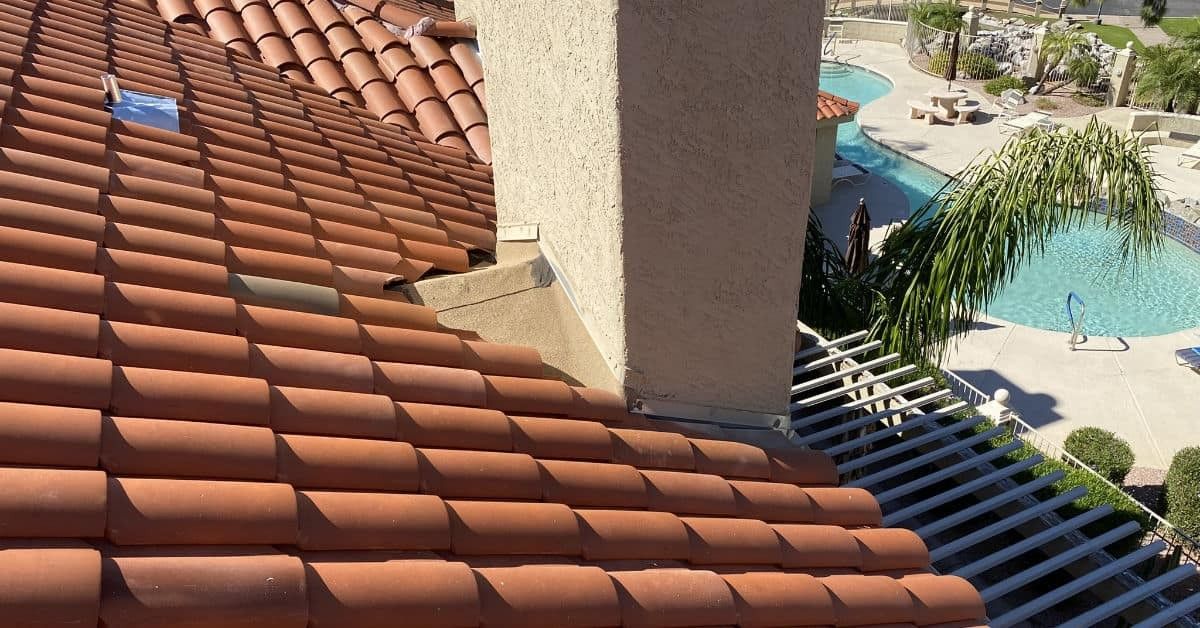
How does Icon Roofing help HOA boards with roofing projects?
Icon Roofing helps HOA boards by doing the groundwork volunteers rarely have time for. We meet with the board or community manager first, inspect the roofs, write a proposal that matches the reserve plan, answer owner questions, and document the finished work. The goal is a decision the board can explain to every owner.
Boards and community association managers carry capital repair budgets, insurance restoration funds and owner expectations at the same time. We know a roofing decision in an association takes time, and we plan for that. This page covers the board’s side of a roof project. Our multi-family roofing services page covers the full range of work we do for communities.
What should an HOA board know before approving a roof project?
Before approving a roof project, a board should know the condition of every roof it is responsible for, what the association’s governing documents say about who pays for which roof, the approved colors and materials, the reserve balance, and the scope each bidder is offering. Missing any one of these leads to delays or owner disputes.
A short checklist many boards find useful:
- Responsibility. Confirm in the CC&Rs whether the association or individual owners handle each roof.
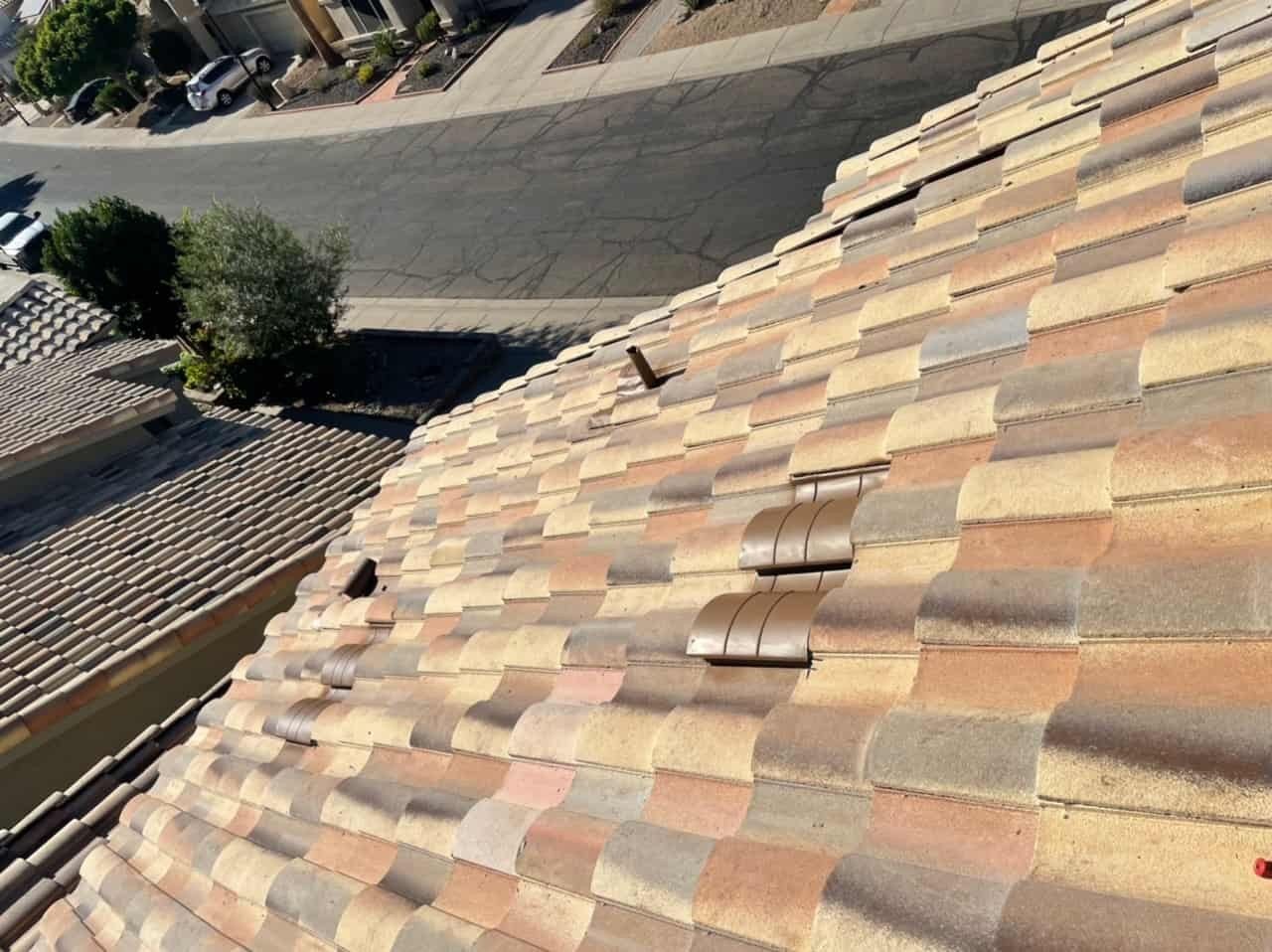
- Condition. Get a written inspection with photos, not only an age estimate.
- Scope. Know exactly which buildings, roof sections and materials each proposal covers.
- Approval. Check that the proposed color and profile already appear on the approved list.
- Funding. Match the project to the reserve study and decide whether to phase it.
How do roof inspections feed into an HOA reserve study?
Roof inspections feed a reserve study by replacing assumed lifespans with real condition data. A reserve specialist may estimate when roofs will need replacing based on age. An inspection shows which roofs are ahead of or behind that estimate, so the board can adjust funding before a surprise special assessment becomes necessary.
We give you a building-by-building report with photos, the roof system on each building, the problems we found, and our view of which roofs are closest to replacement. Your reserve specialist can use that alongside their own analysis. A roof inspection for multi-family communities every year or two keeps the study grounded.
How can an HOA board compare roofing bids fairly?
A board can compare bids fairly by lining up the same items from every proposal: scope, materials, underlayment, warranty, schedule and cleanup. Bids that look far apart in price often cover different work. Once the scope is equal, the comparison becomes clear. We are willing to help build a comparison of every proposal you received.
| Compare this | Why it matters |
|---|---|
| Buildings and roof sections included | Some bids leave out clubhouses, carports or flat sections |
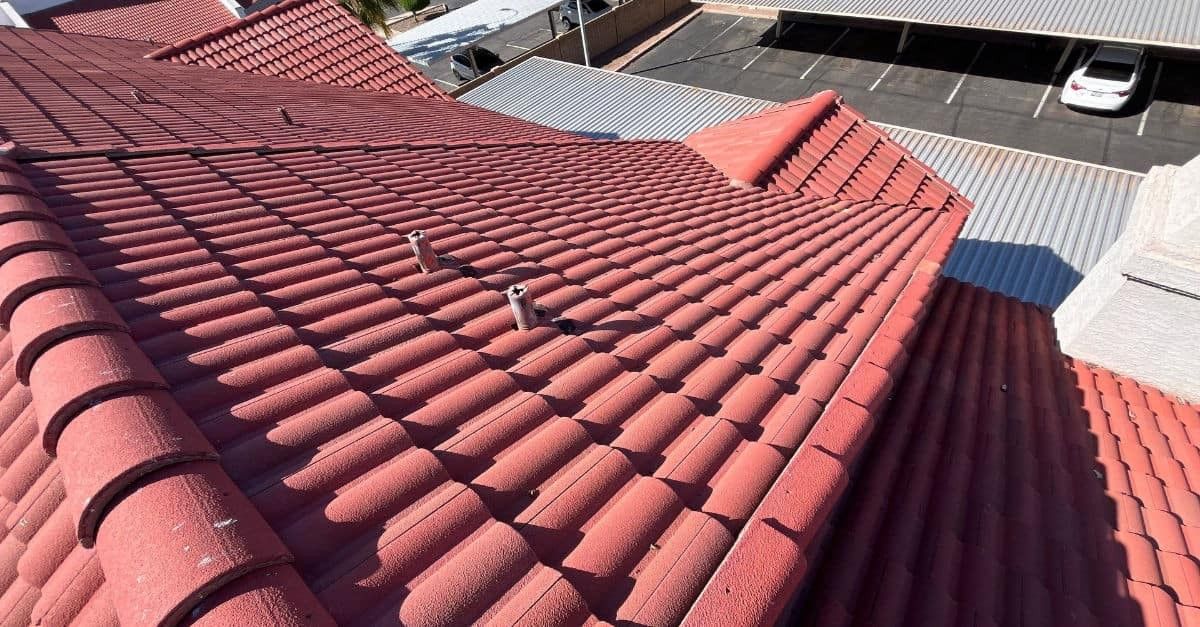
| Underlayment and tile plan | On tile roofs, underlayment is usually what fails, not the tile |
| Deck repair allowance | Hidden rot is common, and pricing for it varies widely |
| Warranty type and who registers it | Manufacturer and workmanship coverage differ by contractor |
| Schedule and phasing | Affects owners, parking and the reserve calendar |
| Cleanup and site protection | Protects landscaping, pools and common areas |
How do HOAs handle architectural approval of roof colors and materials?
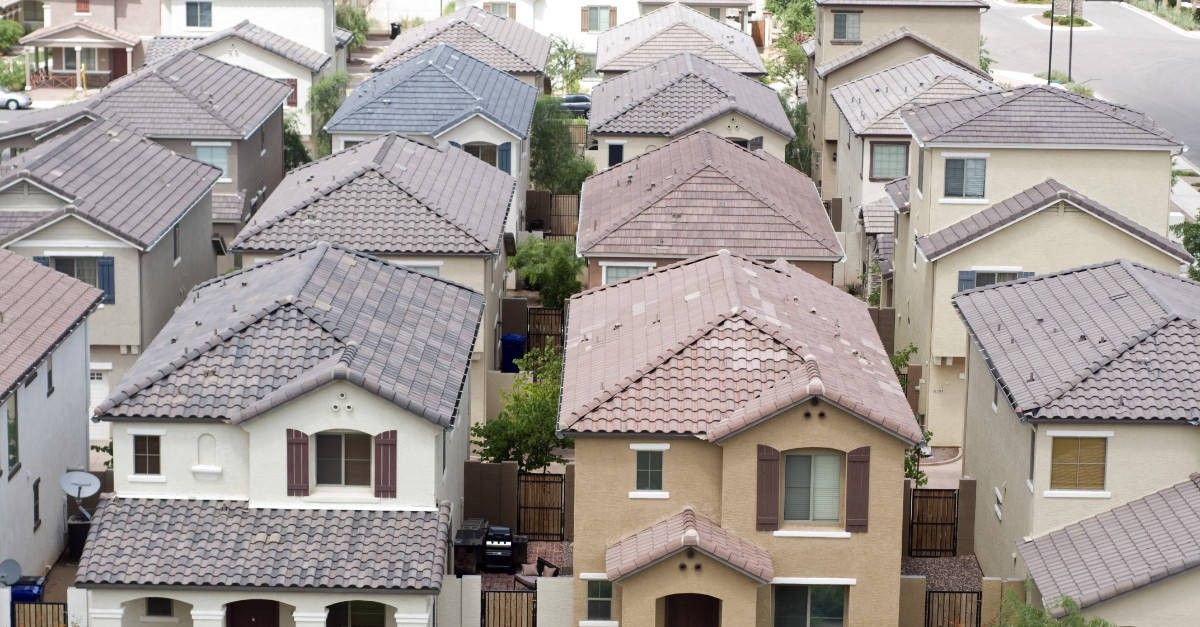
Most HOAs handle color and material approval through an architectural or design review committee that keeps a list of accepted products. Many HOAs in Gilbert, Chandler and Scottsdale require approval of roof color and material before any reroof begins. Getting that approval early keeps a project from stalling once it is scheduled.
We bring product samples and color options to the committee and note which ones match the existing approved list. If a past product line has been discontinued, we show the closest available options so the committee can update its list. Approving the color before the contract is signed keeps the start date firm and saves a second round of owner questions. For tile communities, our team handles reroofing with concrete or clay tile in the profiles common across Valley neighborhoods.
How should owners be kept informed during HOA roof work?
Owners should hear about roof work before it starts, while it is underway, and when it is finished. A short notice with the schedule, the buildings involved, parking changes and a contact person covers most questions. The community manager usually sends it, and we provide the details and any updates.
During the project our project managers answer questions and address issues as they come up. Every member of the crew works to get the job done safely and with as little disruption to owners as possible. A second notice a day or two before crews reach each building helps owners move cars and patio furniture in time.
What happens at the end of an HOA roofing project?
At the end of the project we hold a final walk-through and invite board members to confirm the work matches the proposal. We clean up the site and share photos of the completed work, often hundreds on a large project. Once the board signs off, we file the warranty on the association’s behalf when one applies.
We also ask how we did. Feedback can be written or verbal, and it helps us recognize the crew members who did great work or give others more training. If storms damage the new roofs later, see how we help with an association roof insurance claim.
Which HOA communities does Icon Roofing serve?
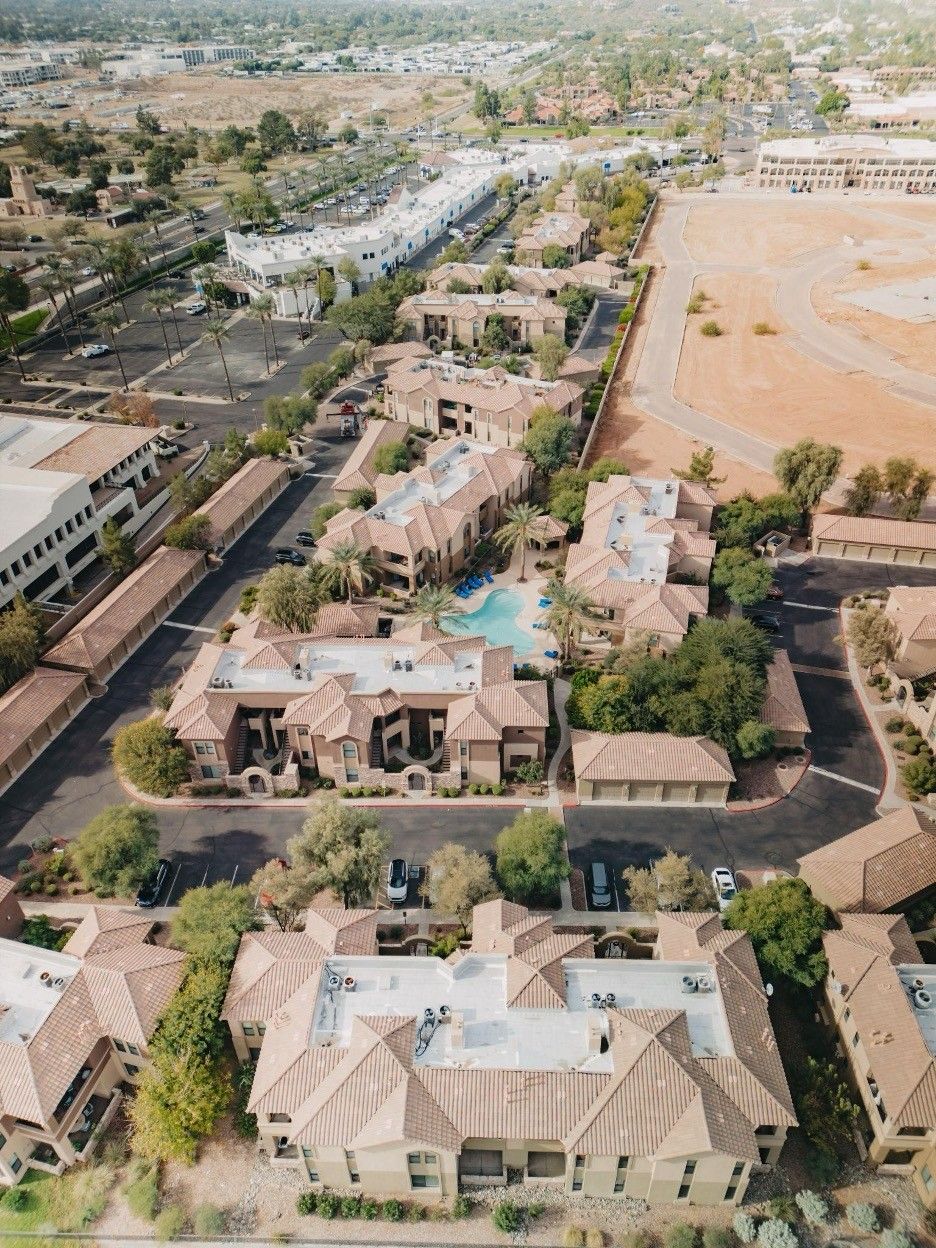
Icon Roofing serves HOA communities across Metro Phoenix from our Mesa office, including condo, townhome and single-family associations. A lot of our association work is in Gilbert, Chandler and Scottsdale, where master-planned neighborhoods often have strict design rules. See how we work with HOA communities in Gilbert.
Boards can verify our license on the Arizona Registrar of Contractors site. Call or text (480) 427-7600, Monday to Friday from 8:00am to 4:00pm, to request a proposal tailored to your association.