
What does a commercial roof inspection include?
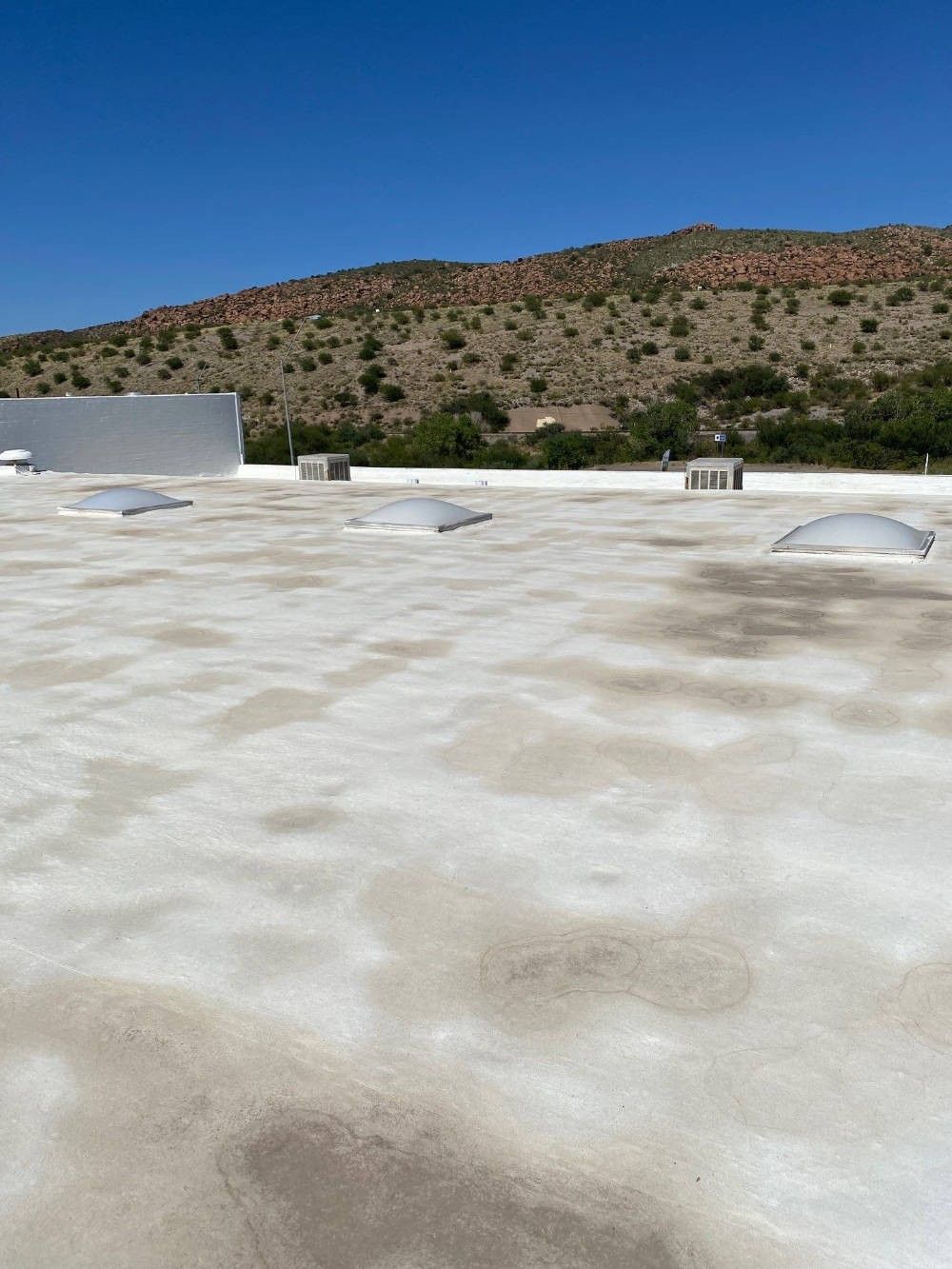
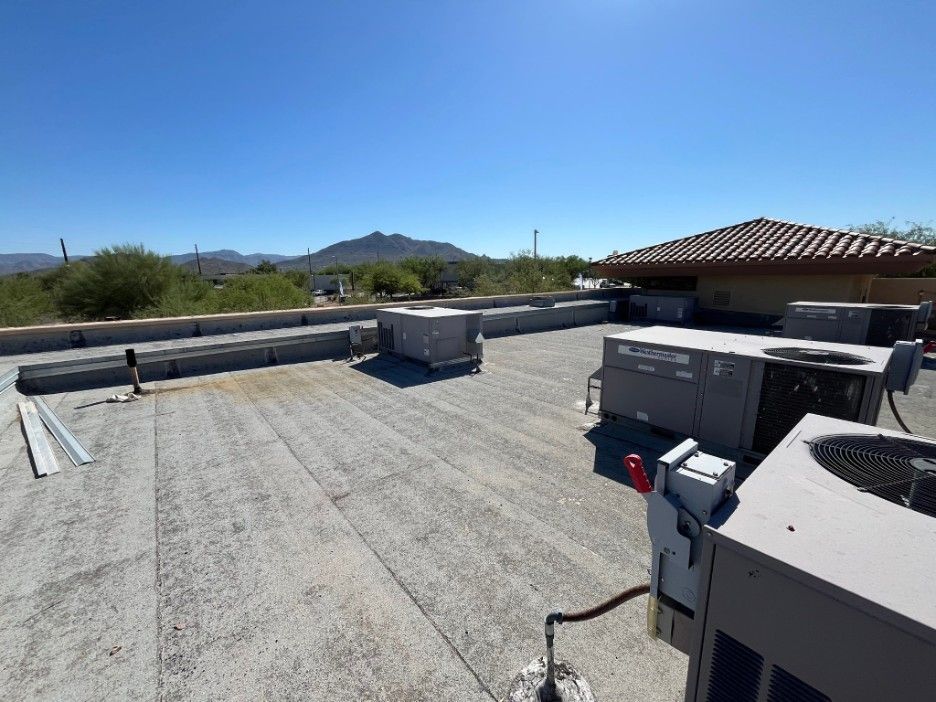
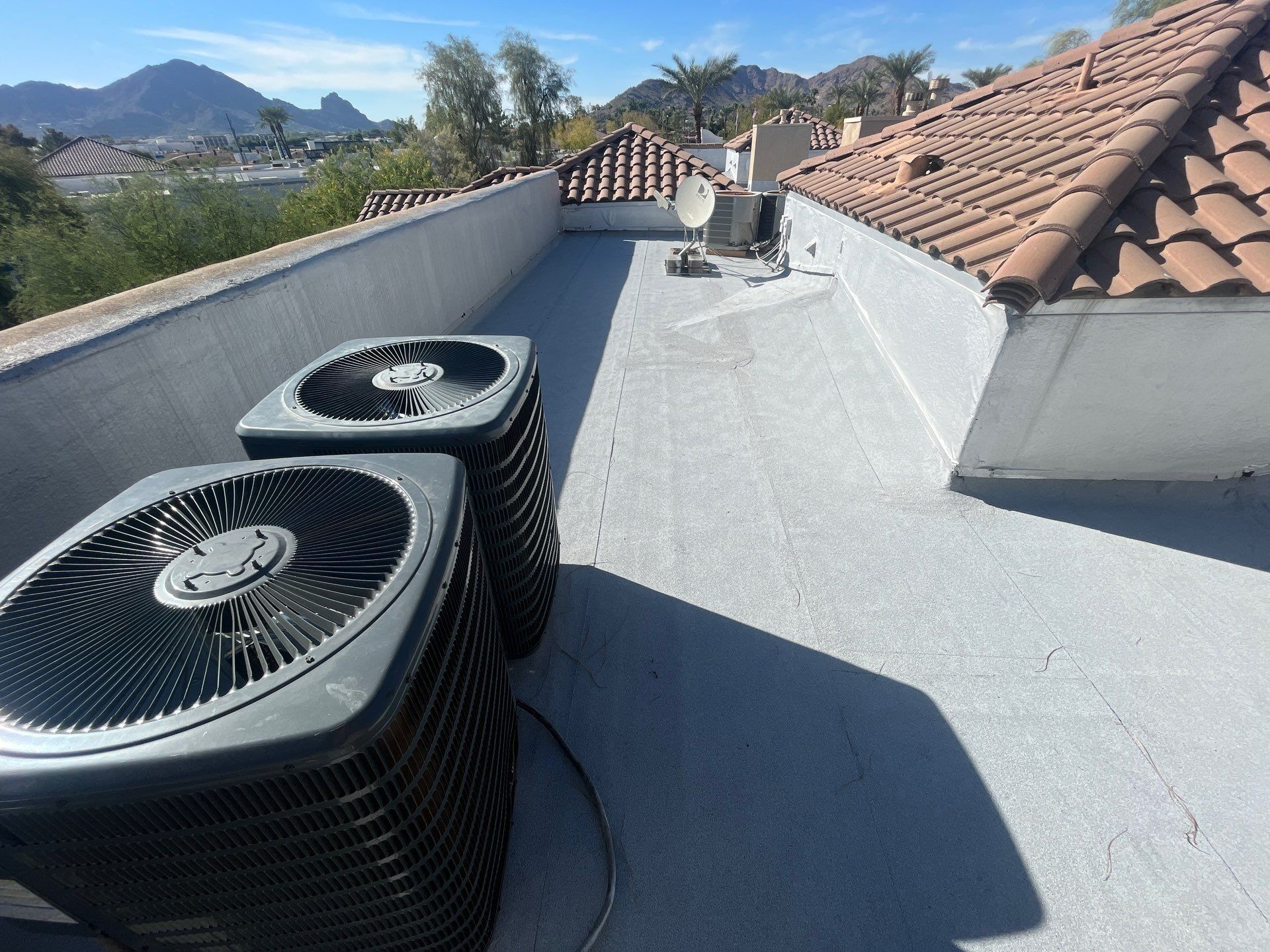
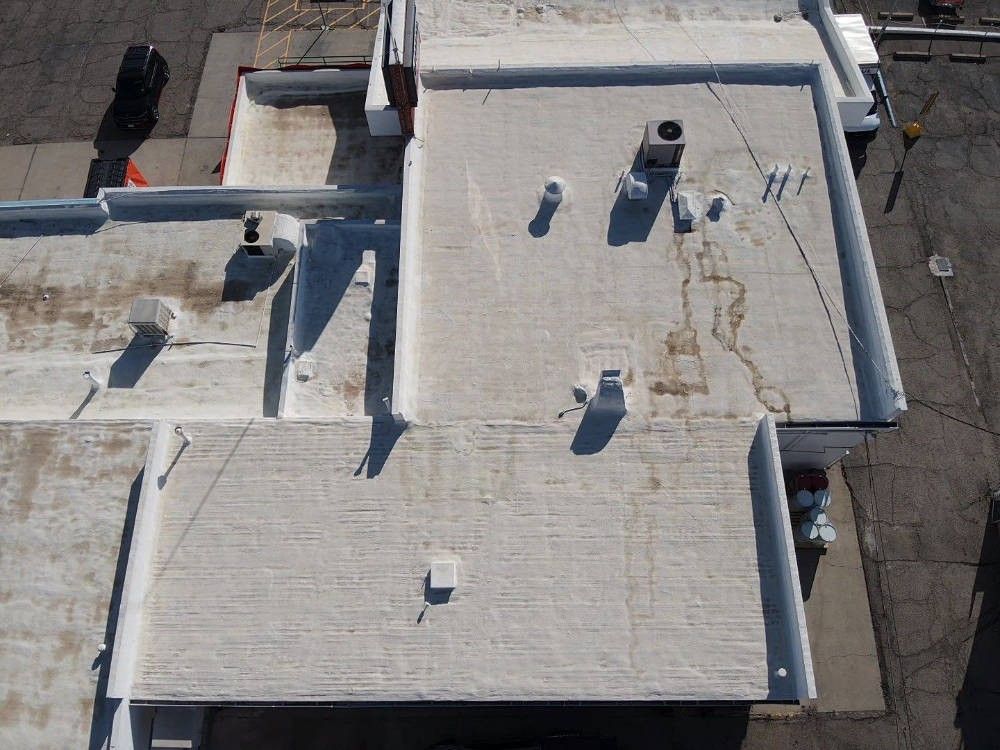
A commercial roof inspection includes a full review of the roof surface, seams, flashing at walls and curbs, drains and scuppers, rooftop equipment and penetrations, and signs of structural trouble such as sagging or soft decking. We also look for past repairs done poorly. Every problem is photographed and noted in a written report.
We check:
- Surface: coating wear, blisters, splits, punctures and bare spots
- Seams and flashing: membrane seams, parapet walls, curbs, edges and expansion joints
- Drainage: drains, scuppers, gutters and areas where water ponds
- Equipment: HVAC units, exhaust fans, skylights and pipe supports
- Structure: sagging, deflection, soft decking and signs of overloading
Inspections are part of our full range of roof inspection services and our wider roofing services for commercial property owners.
How often should a commercial roof be inspected?
A commercial roof should be inspected twice a year and after severe weather, in line with guidance from the National Roofing Contractors Association. In the Valley, that means spring before monsoon season and fall after it. Add an inspection before you buy, lease or refinance a building, and when insurance asks.
Roofs with lots of equipment, frequent technician traffic or a history of leaks may need more frequent checks. Monsoon season runs from June 15 to September 30. Wind, wind-driven rain, dust storms and hail in some years can open seams and clog drains in a single afternoon.
What do inspectors look for on foam, membrane and metal roofs?
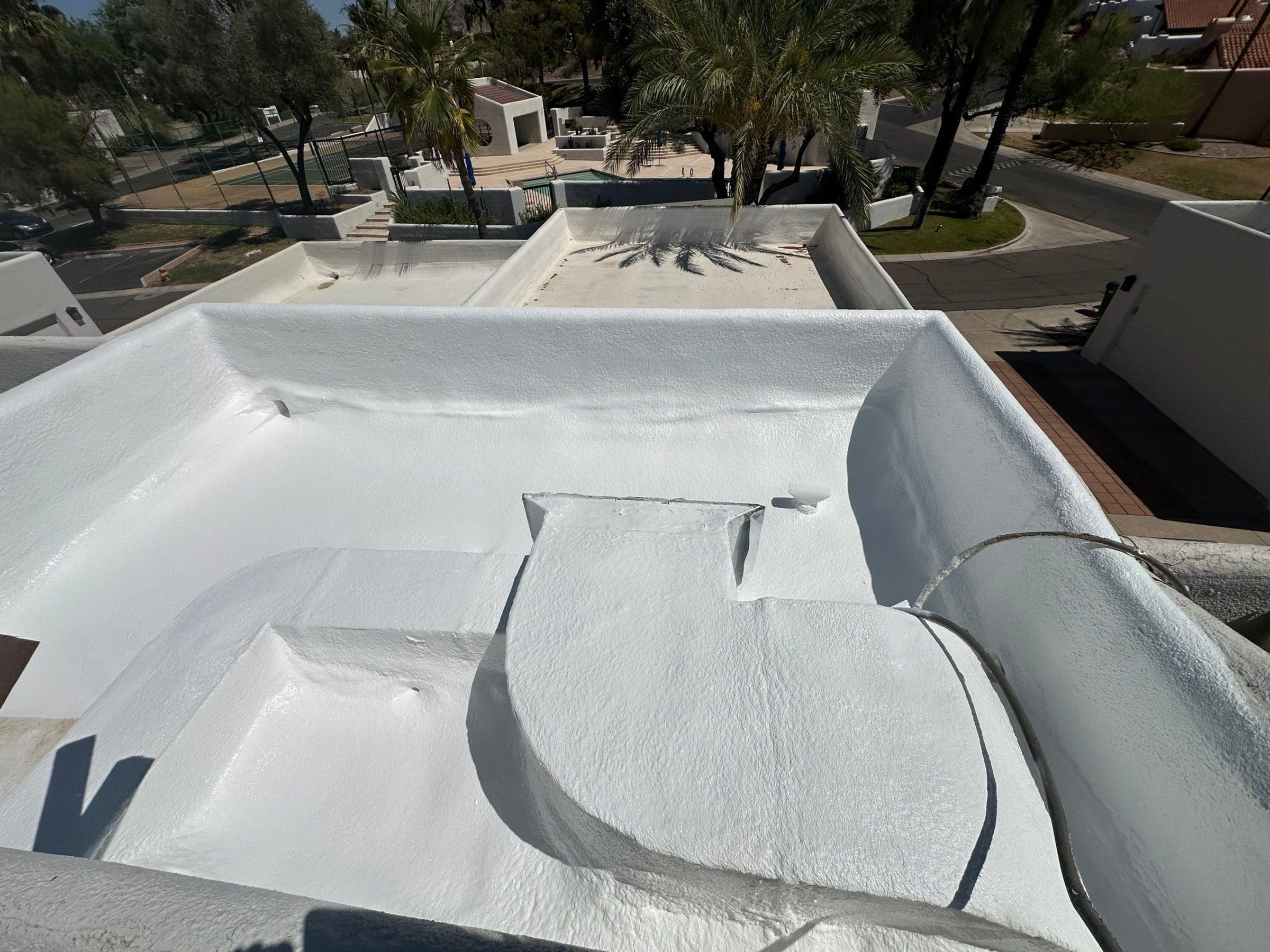
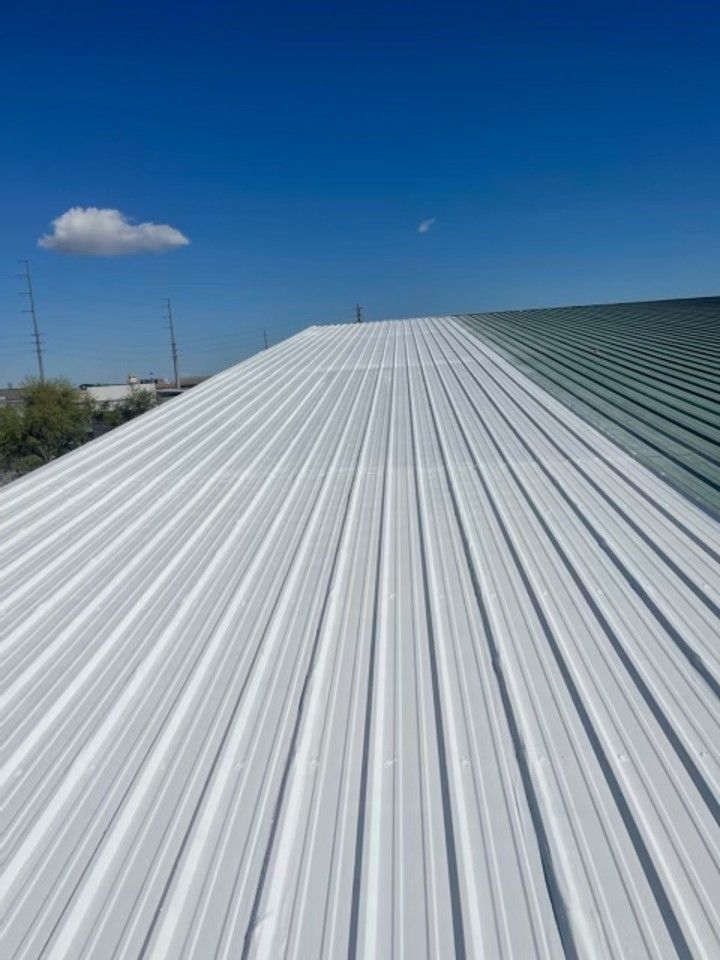
Inspectors look for the failure points of each system. On foam roofs, we check coating wear, blisters and bird damage. On modified bitumen and single-ply membranes, we check seams, flashing and punctures. On metal roofs, we check fasteners, sealant and corrosion. Ponding water and drain condition matter on every flat roof.
| Roof system | Key checks | Early warning signs |
|---|---|---|
| Spray foam with coating | Coating thickness, blisters, soft spots | Exposed foam, chalky or thin coating |
| Modified bitumen | Seams, laps, flashing, granule surface | Blisters, split laps, granule loss |
| TPO, PVC or EPDM | Welded or glued seams, punctures, edges | Open seams, shrinkage at edges |
| Metal | Fasteners, seams, sealant, panel edges | Rust, backed-out screws, failed sealant |
Foam and other flat roofs are common on commercial buildings in Tempe, Phoenix and commercial areas of Glendale. Tile and shingle show up more on office buildings and mixed-use properties in Scottsdale and Mesa.
What is in a commercial roof inspection report?
A commercial roof inspection report includes a summary of the roof’s overall condition, a list of each problem with high-resolution photos and its location, the likely cause when we can tell, and recommendations ranked by priority. The report gives owners, managers and insurers a clear, dated record of the roof.
We sort findings into three groups so the next step is clear:
- Fix now: active leaks, open seams, failed flashing and anything letting water in
- Plan for: worn coatings, aging membranes and drainage issues to budget for soon
- Watch: minor wear to check again at the next inspection
Should you get a roof inspection before buying a commercial building?
Yes. A roof inspection before buying a commercial building shows what you are taking on and what it may cost. The roof is one of the most expensive parts of a building to replace, and problems are often invisible from the ground. A dated report with photos gives you facts for negotiation and for planning the first years of ownership.
Leasing works the same way. If a lease makes you responsible for the roof, an inspection before signing records its condition on day one.
How do inspections support insurance and warranty records?
Inspections support insurance and warranty records by creating a dated history of the roof’s condition and the care it has received. If a storm damages the roof, recent reports help show what was new damage and what was already there. Many roof warranties also expect regular maintenance, and inspection records help show it.
If a storm has already caused damage, our guide to roof damage insurance claims explains what to collect. Keep every report, repair invoice and warranty document together in one file.
How does an inspection help you budget for roof work?
An inspection helps you budget by showing what needs attention now, what to plan for in the next year or two, and what can wait. Repeat inspections show how fast each section is aging. That lets you schedule recoats and repairs in phases, set reserves and avoid a rushed replacement on short notice.
When the report flags repairs, our commercial roof leak repair service can handle them. When replacement is the better choice, we can plan a phased commercial reroof around your tenants.
Why hire Icon Roofing for a commercial roof inspection?
Hire Icon Roofing because we are a GAF Master Elite contractor licensed under Arizona ROC# 333889 CR-42, we repair and replace every roof system we inspect, and our reports are written for the people who make decisions. You get plain findings, clear photos and honest advice about whether a repair, a recoat or a new roof makes sense.
We inspect commercial roofs across the Valley from our office in Mesa. If the report shows the roof needs nothing yet, we will tell you that too.
How much does a commercial roof inspection cost?
Icon Roofing charges $75 for a roof inspection, and we waive the fee if you hire us for the repair or replacement it identifies. Large buildings or properties with several roofs may need more time on site, so call to talk through the scope. The written report with photos is yours to keep.
Call (480) 427-7600, Monday to Friday, 8:00am to 4:00pm, to schedule an inspection.