
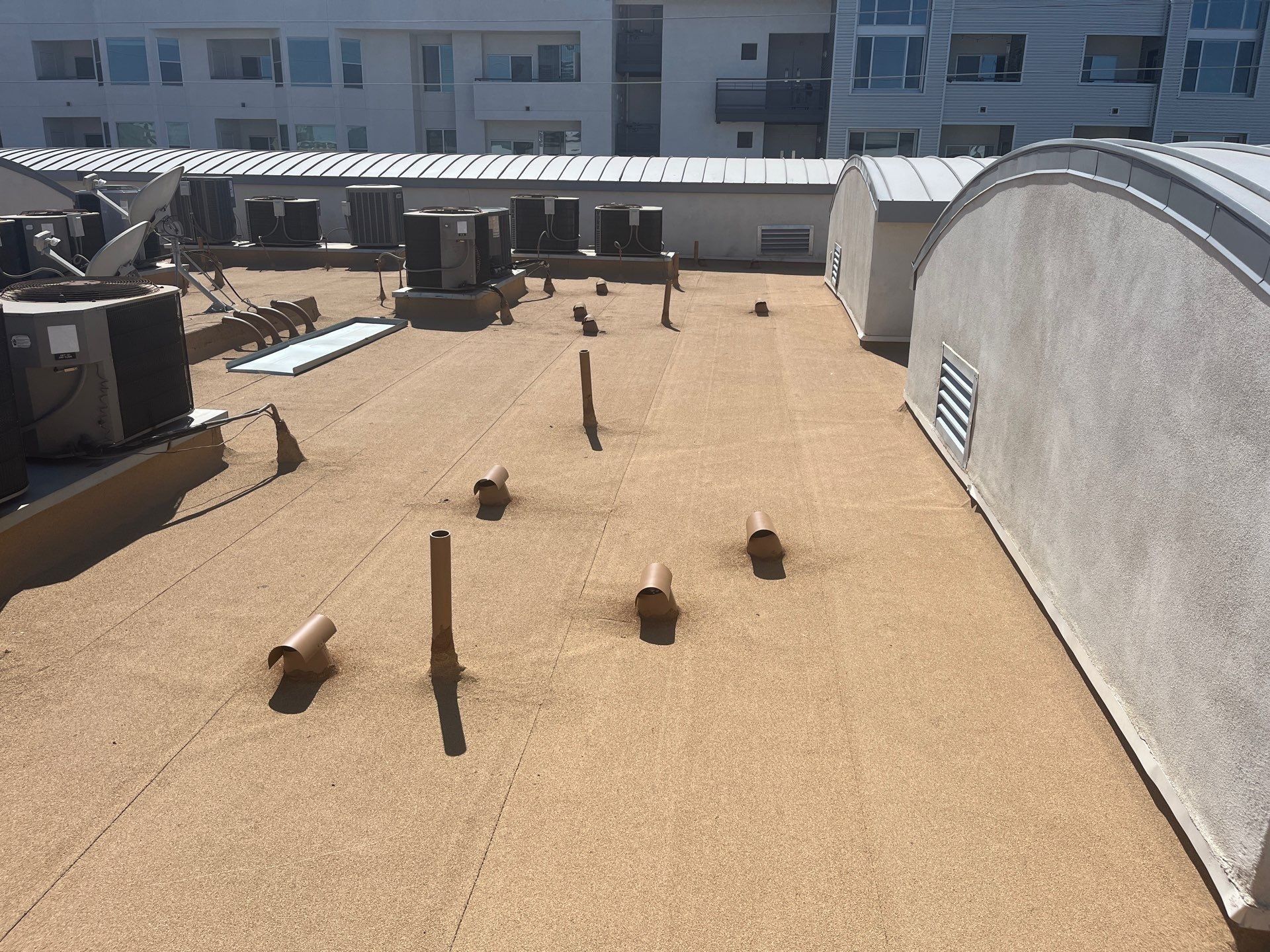
What does a multi-family roof replacement involve?
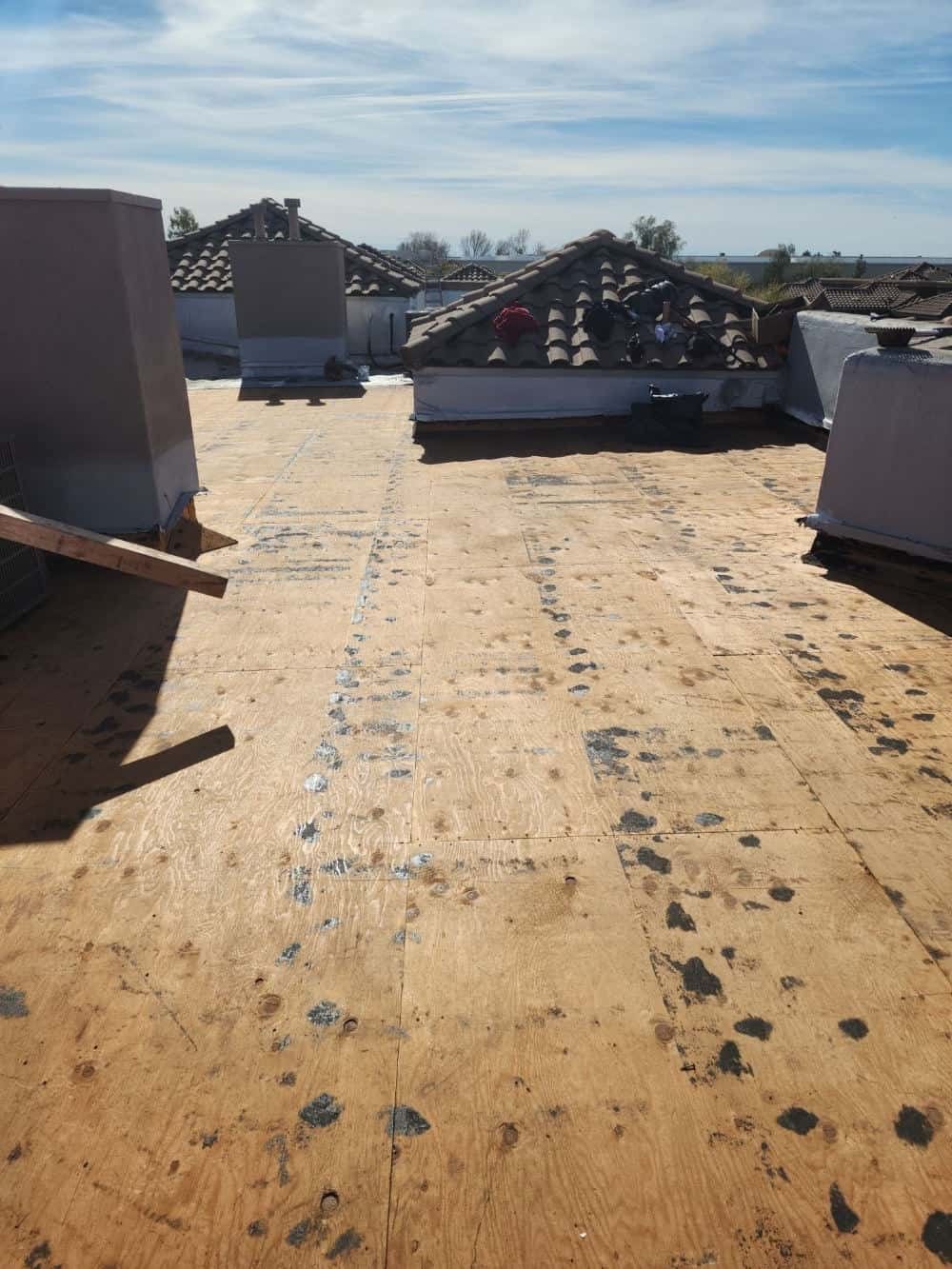
A multi-family roof replacement means removing the old roofing down to the deck, repairing damaged decking, and installing a new system on one or more apartment buildings. On a large property it also involves a phase plan, a budget split across buildings, tenant notices for each phase, and records that ownership and lenders can review.
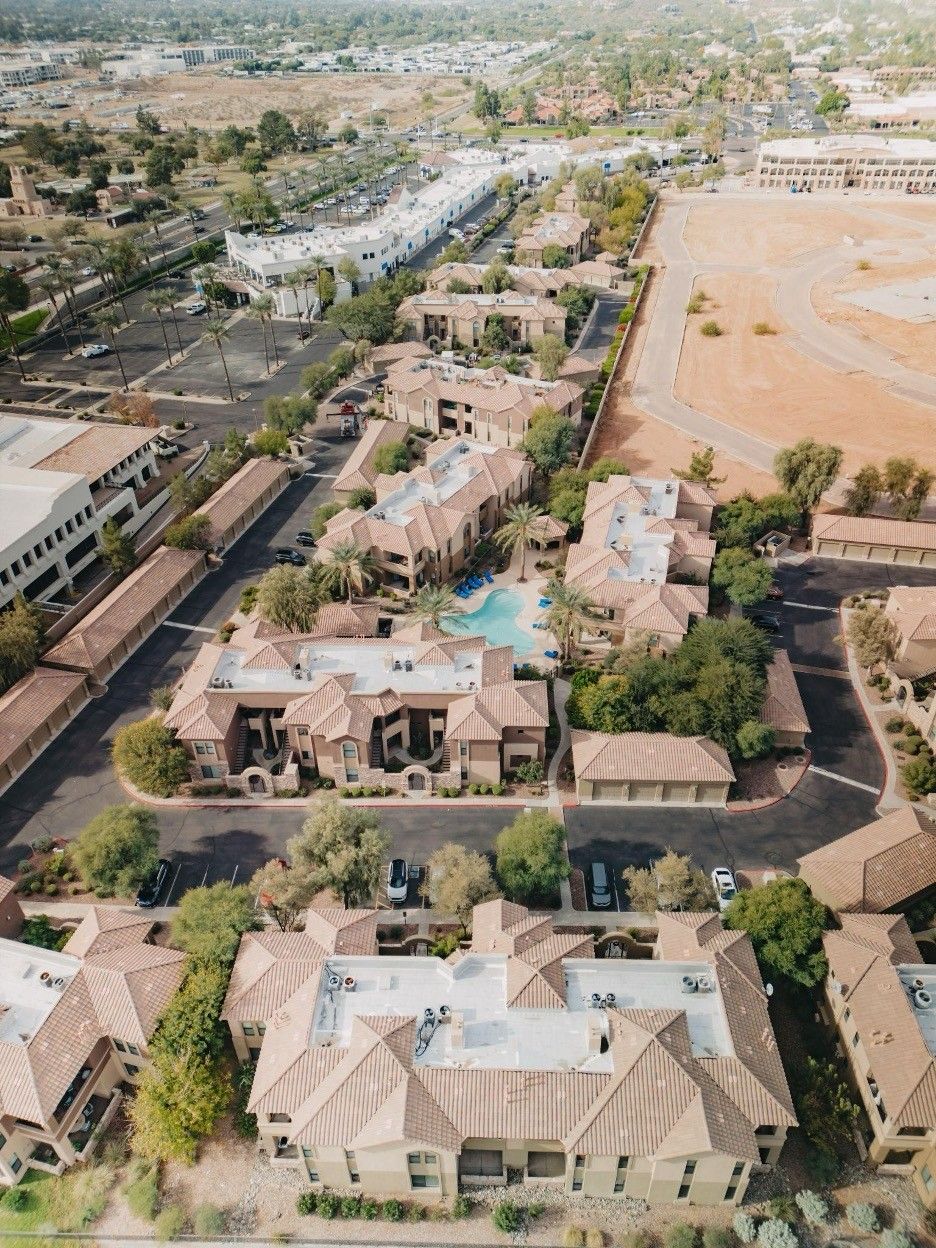
The roofing work itself looks like any reroof. The difference is scale and coordination. A large community might be replaced over several budget years, with each phase planned around leasing, parking and the monsoon calendar. This page covers that planning. Our multi-family roofing hub explains the other services we offer apartment owners.
How do you phase a roof replacement across an apartment community?
We phase a replacement by grouping buildings based on roof condition first, then budget and site logistics. Buildings with active leaks or failed underlayment go in the first phase. Sound roofs move to later phases. We also group buildings that share a parking lot or staging area so crews can work efficiently and tenants see disruption once.
A phase plan usually answers four questions:
- Which buildings go first? The ones causing the most leak calls and interior damage.
- How many buildings per phase? Enough to make each mobilization worthwhile, few enough to fit the year’s capital budget.
- When does each phase start? Ideally outside monsoon season, which runs June 15 to September 30.
- What gets inspected in between? Buildings waiting for a later phase still need checks so a small leak does not become a large one.
Site logistics shape the plan as much as roof condition. Before each phase we agree on where the dumpster and material deliveries will sit, which parking rows need to be cleared, and how crews will reach each roof without blocking fire lanes or the leasing office. Writing that down early keeps the first day on site calm.
How should owners budget for replacing roofs on several buildings?
Owners should budget from a condition report that ranks every building, not from the age of the property alone. Two buildings built the same year can wear very differently based on sun exposure, equipment and past repairs. Once you know which roofs are failing, you can choose between replacing everything at once or spreading the work out.
| Approach | Works well when | Trade-offs |
|---|---|---|
| All buildings at once | Most roofs are failing, or funds are available now | Larger single expense, one round of disruption |
| Phased over several years | Condition varies, or capital is released yearly | Repairs continue on waiting buildings |
| Replace worst, repair the rest | A few buildings fail early | Needs regular inspections to track the rest |
Our written assessment gives you the building-by-building picture you need for this choice. Lenders and buyers often ask for the same condition data during a refinance or sale, so the report keeps its value after the roofing decision is made. Owners who are still deciding whether a roof is truly done can read our guide to signs a Phoenix roof needs replacing.
What do tenants need to know before a reroof starts on their building?
Tenants need to know the start date for their building, the expected duration, daily work hours, and which parking spaces, walkways or patios will be off limits. They should also be told to expect noise during tear-off and to move items away from exterior walls. Clear notice a few days ahead prevents most complaints.
We give your office a short summary for each building that your team can paste into a door hanger, email or resident portal post. If plans change because of weather, we let you know so you can update tenants. Your leasing staff can also schedule showings around the noisiest days. Residents on upper floors notice tear-off most, so a reminder to take down fragile wall decor the day before is worth including.
Which roof systems make sense when an apartment building is reroofed?
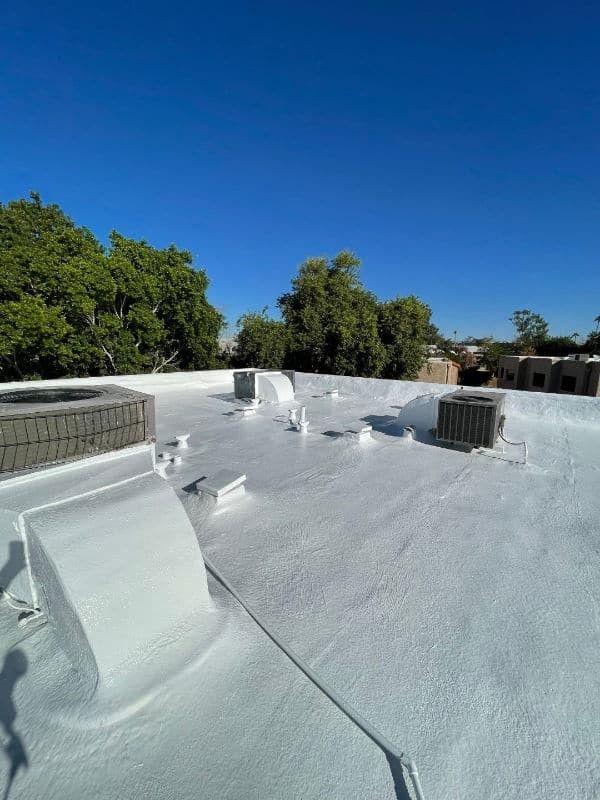
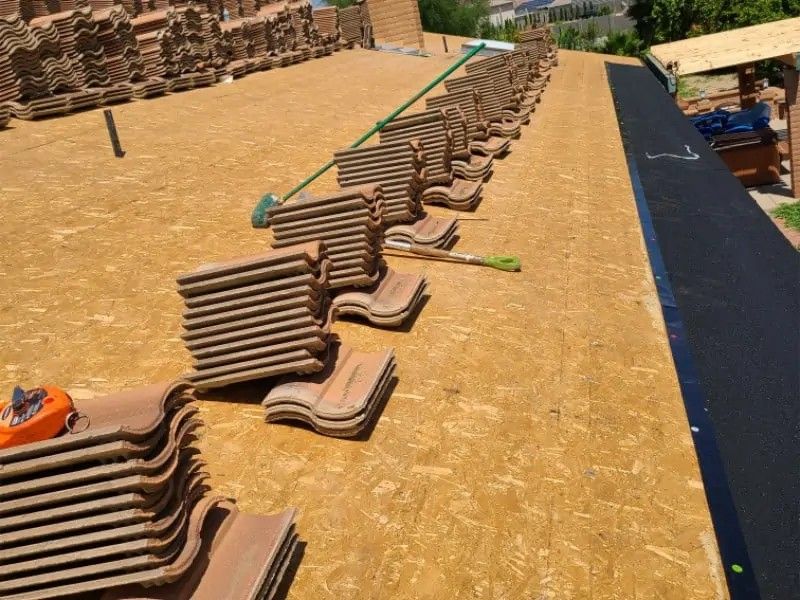
The right system depends on the existing roof shape, the structure, and how long you plan to hold the property. Flat sections are usually reroofed with spray foam and a reflective coating. Pitched sections stay with concrete or clay tile, or shingle where the building was designed for it. Metal suits carports and some low-slope roofs.
Many Valley apartment buildings need two systems at once: a flat roof over the middle and tile around the edges. We replace both together so the transition between them is built right. Our crews handle spray foam and flat roof replacement as well as tile reroofing with new underlayment. For pitched tile, the existing tiles can sometimes be reused over new underlayment, and we check their condition before recommending it.
What signs show an apartment roof is ready for replacement?
An apartment roof is ready for replacement when leaks keep returning after repairs, when foam is saturated or the underlayment has failed across large areas, or when the deck shows rot or soft spots. Rising repair costs on the same building and tenant complaints about recurring stains are strong business signals too.
A regular inspection program shows these trends before they become emergencies for your maintenance team. Our post on inspecting roofs on multi-family housing covers what each inspection should record.
Where do you replace apartment roofs in Metro Phoenix?
We replace apartment roofs throughout Metro Phoenix from our Mesa office. Much of our multi-family replacement work is in Phoenix, Peoria and Glendale, where many communities from past decades now need new roofs. See how we serve apartment owners in Glendale and the surrounding West Valley.
You can confirm our standing in the GAF contractor directory. Call (480) 427-7600, Monday to Friday from 8:00am to 4:00pm, to start a building-by-building assessment.