
What kinds of roofs do Queen Creek homes have?
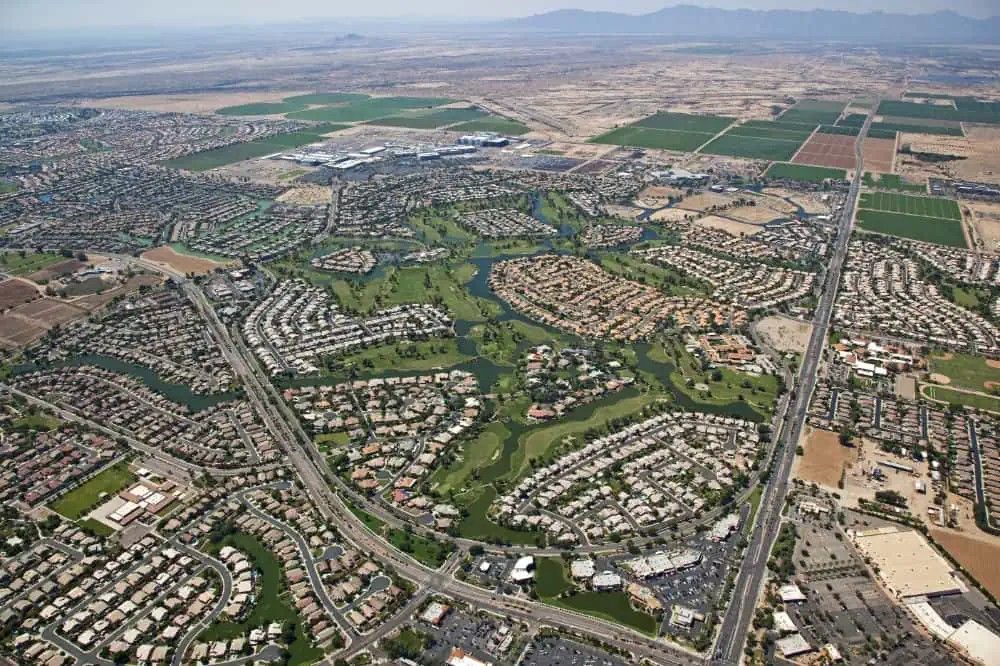
Most Queen Creek homes have architectural shingle or concrete tile roofs on houses built from the 2000s on. Large master-planned communities like Hastings Farms and Harvest Queen Creek fill much of the town. Older parts of Queen Creek still have horse properties and acreage lots, often with barns, shops and casitas that have shingle, metal or low-slope roofs.
Queen Creek grew from a small farming town into a fast-growing suburb in a short time. You can still see the farm roots at places like Schnepf Farms and the Queen Creek Olive Mill, and in the orchards and fields that remain between subdivisions. That mix gives Queen Creek a different roofing profile than most East Valley cities. A single property might have a tile house, a shingle casita and a metal-roofed barn.
Cortina, Sossaman Estates and Queen Creek Station add more production homes, and the town keeps building east and south toward the San Tan Mountains.
How does farm-field dust affect Queen Creek roofs?
Farm-field and construction dust wears Queen Creek roofs faster than many homeowners expect. Monsoon winds pick up loose soil from fields, orchards and building sites and drop it across rooftops. That grit scours the granules off shingles, fills valleys, and clogs gutters. When rain follows, the mud holds water against the roof surface and the edges.
Granules are what protect a shingle from UV. Once they wear thin, the asphalt dries out and cracks faster in Queen Creek’s summer sun. On tile roofs, dust and debris build up in the low points and slow water flow off the roof.
A few simple habits help:
- Clean gutters and downspouts after monsoon season ends on September 30.
- Look at valleys from a ladder for built-up soil or leaves.
- Watch for granules collecting at the bottom of downspouts.
- Trim trees that drop debris onto the roof.
When does a Queen Creek shingle roof need replacing?
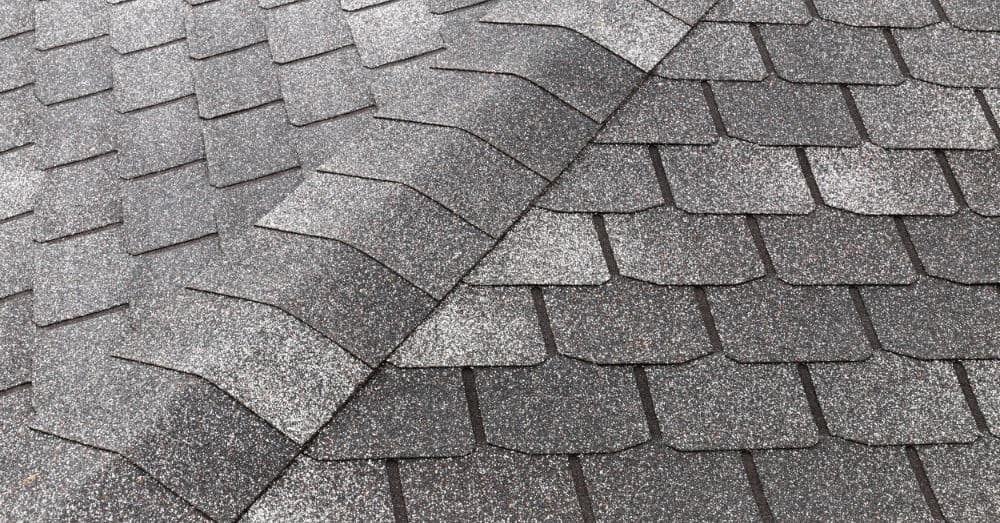
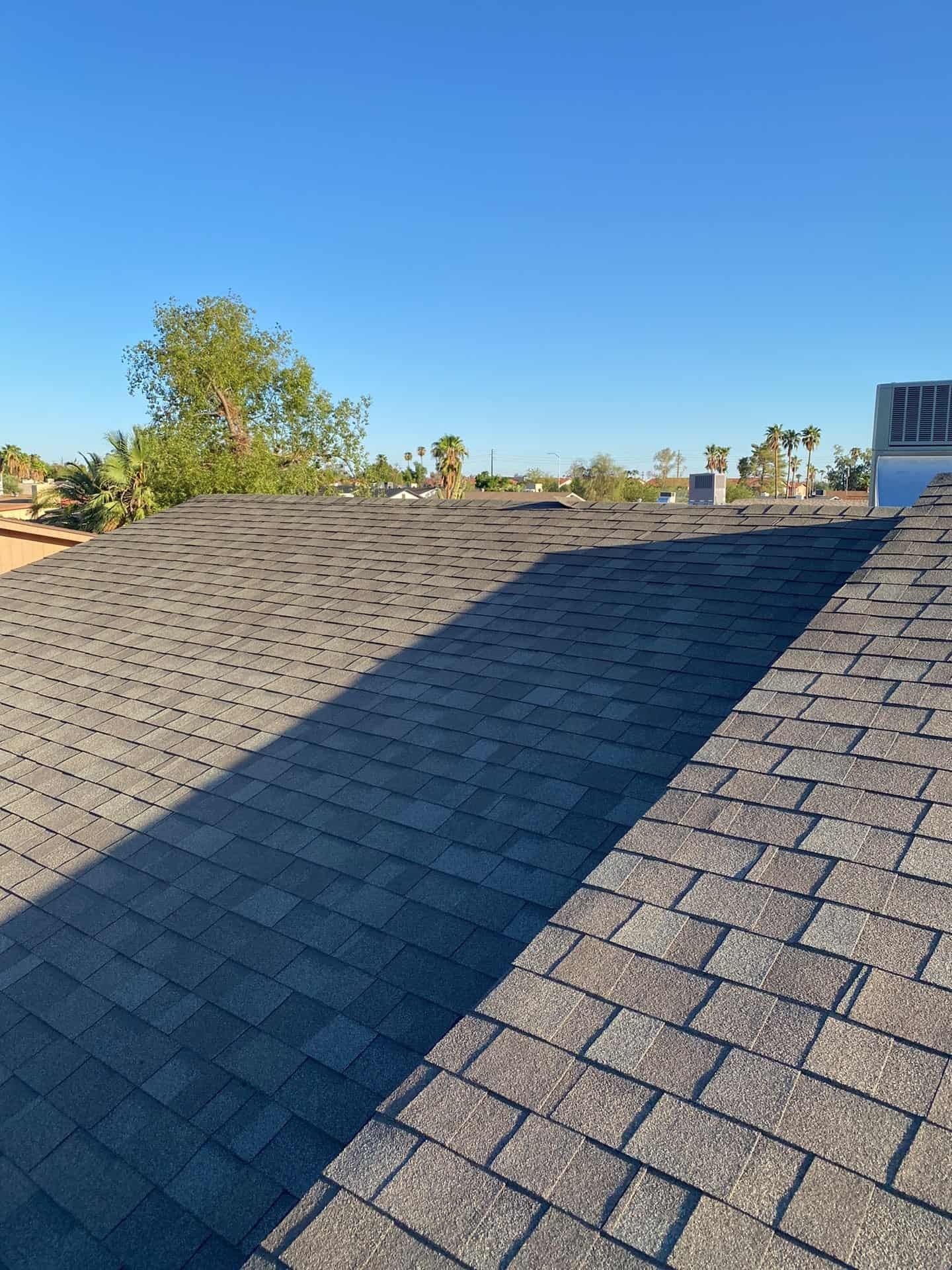
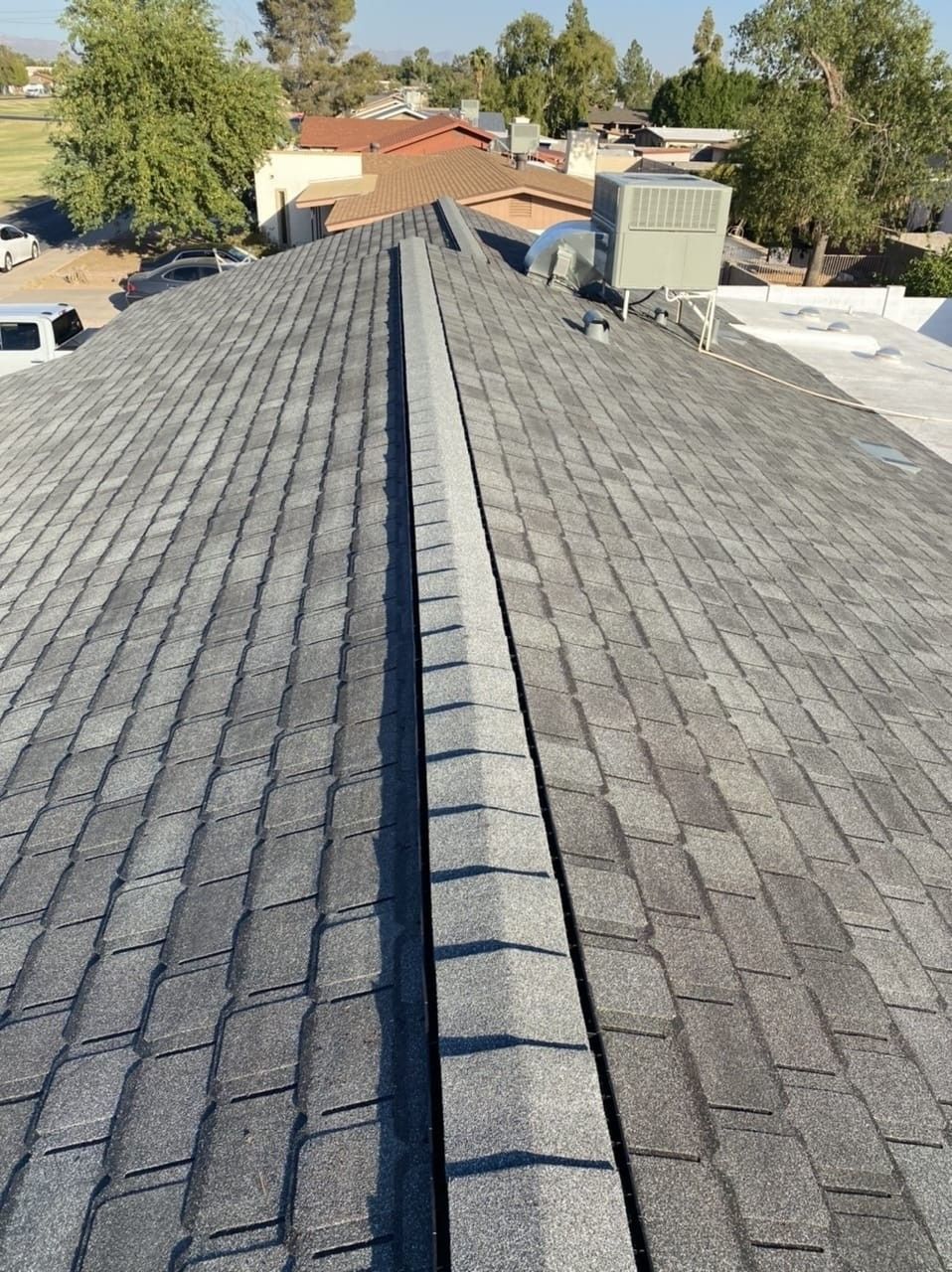
Replace a Queen Creek shingle roof when the shingles are cracked, curled or bare of granules across most slopes, when leaks show up in more than one place, or when storm damage is spread over the whole roof. Many homes built in the 2000s are now reaching that point, especially on south and west slopes that take the most sun.
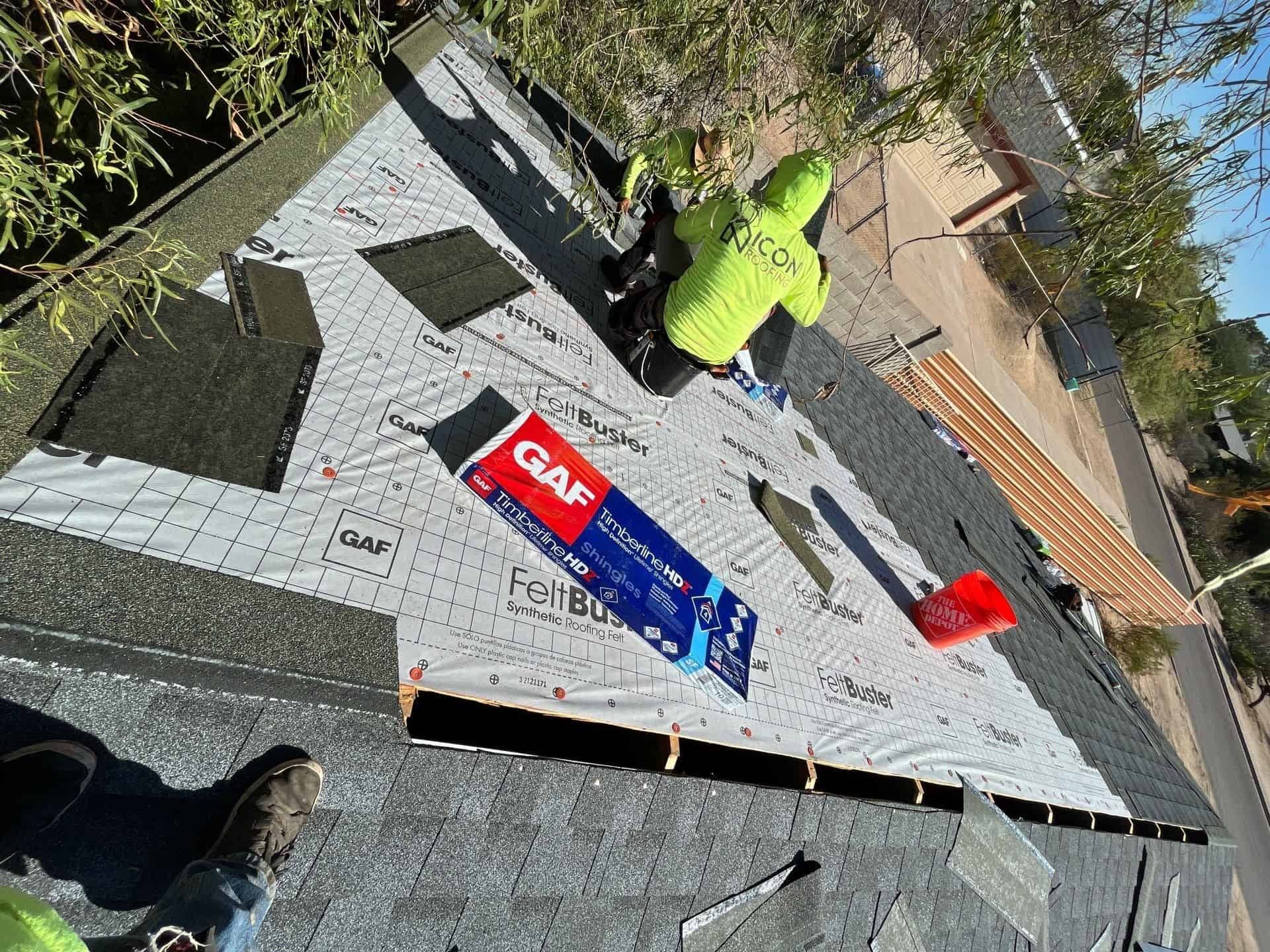
A full shingle reroof for a Queen Creek home starts with a tear-off to the deck so we can check and replace any soft boards. We then install a full GAF system with underlayment, drip edge, ventilation and new flashing. Our GAF Master Elite status also opens up the GAF Golden Pledge limited warranty, when the system qualifies.
Whole streets in Queen Creek were built in the same few years, so you may notice neighbors reroofing around the same time. If you need to spread out the cost, Wisetack financing for your roof lets you check options online.
Can Icon Roofing install roofs on new Queen Creek homes and outbuildings?
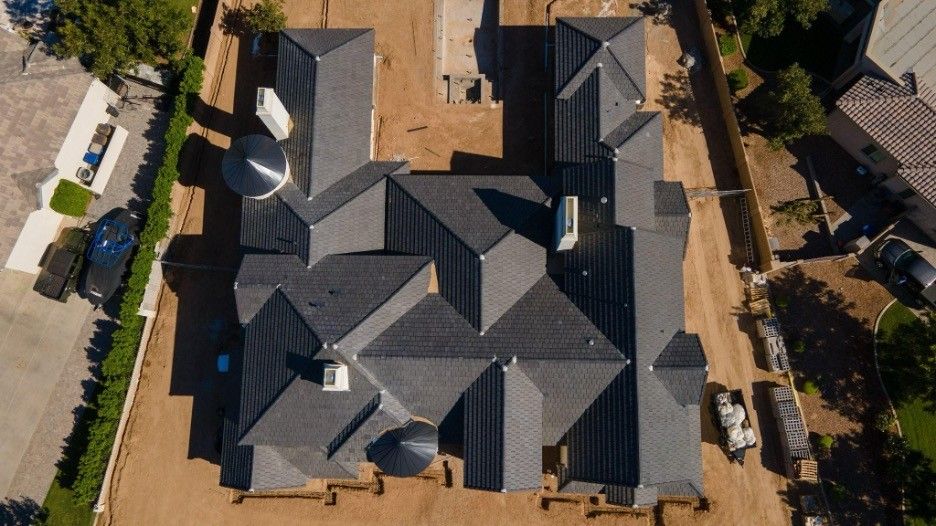
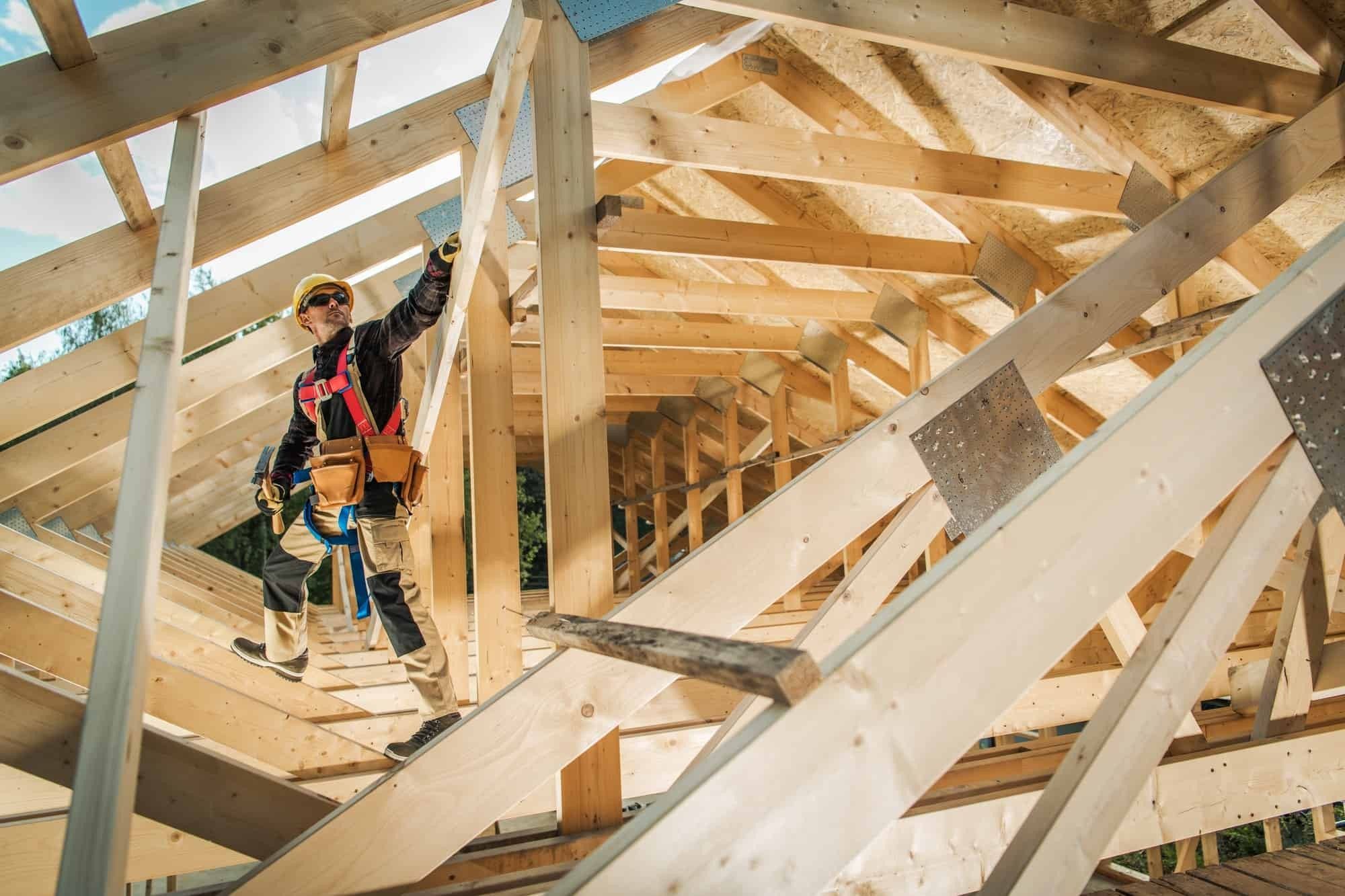
Yes. Icon Roofing installs new roofs on custom homes, additions, casitas, detached garages, workshops and barns across Queen Creek. Larger lots here often have several structures, each with its own roof. We can plan and quote them together, match materials where you want a consistent look, and install each with the right underlayment and flashing.
Outbuildings are often the forgotten roofs on a Queen Creek property. A barn or shop with an old metal or shingle roof can leak for months before anyone notices. If you are building new, our new roof installation service in Queen Creek covers shingle, tile, metal and low-slope systems. We coordinate timing with your builder or framer.
How do monsoon storms hit Queen Creek’s open edges?
Homes on the edges of Queen Creek, next to fields, desert or empty lots, take the brunt of monsoon wind. With little to slow it down, outflow wind from a storm can lift shingles along ridges and rakes, crack tile, and blow debris into roofs. Heavy rain then finds any opening the wind left behind.
Hail falls some years too. It can bruise shingles without leaving an obvious hole, and the damage shows up later as cracks and granule loss. After a big storm, walk the yard for shingle pieces or tile fragments and look at the ridges from the street. If you find damage, take photos before anything is cleaned up. Our page on handling a roof insurance claim after storm damage explains what your insurer will likely ask for.
Should you repair or replace a Queen Creek tile roof?
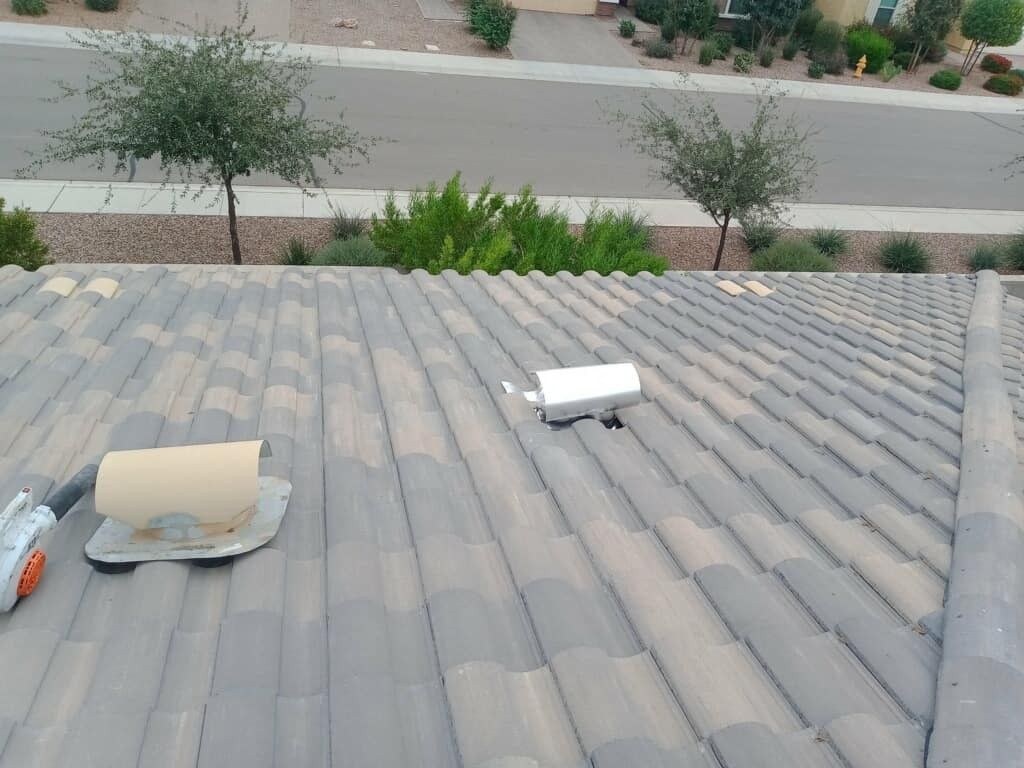
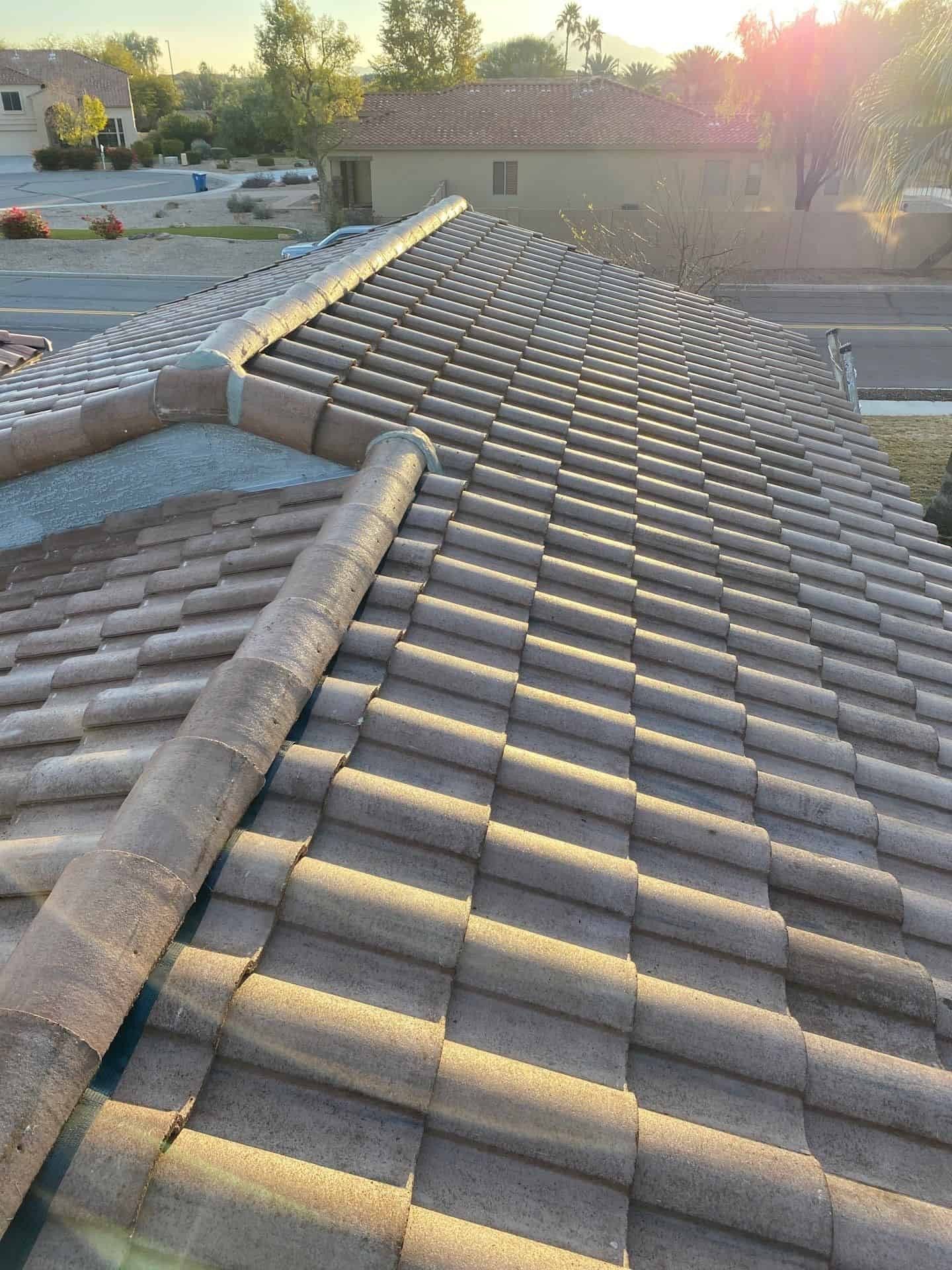
Most Queen Creek tile roofs only need repair or new underlayment, not new tile. Concrete tile on homes built from the 2000s on often has decades of life left. Leaks usually come from worn underlayment in valleys, cracked tile, or vents and flashing that dried out in the heat. Those are fixable without a full replacement.
For targeted leaks, repairing tile and underlayment on a Queen Creek roof means lifting the tile in the problem area, replacing the underlayment, and relaying the tile. If you are not sure where the water is coming from, start with a roof inspection for your Queen Creek property. We send photos of each problem area so you can see what we see.
If you live near the town line, we also serve roofing customers in San Tan Valley just to the south.