
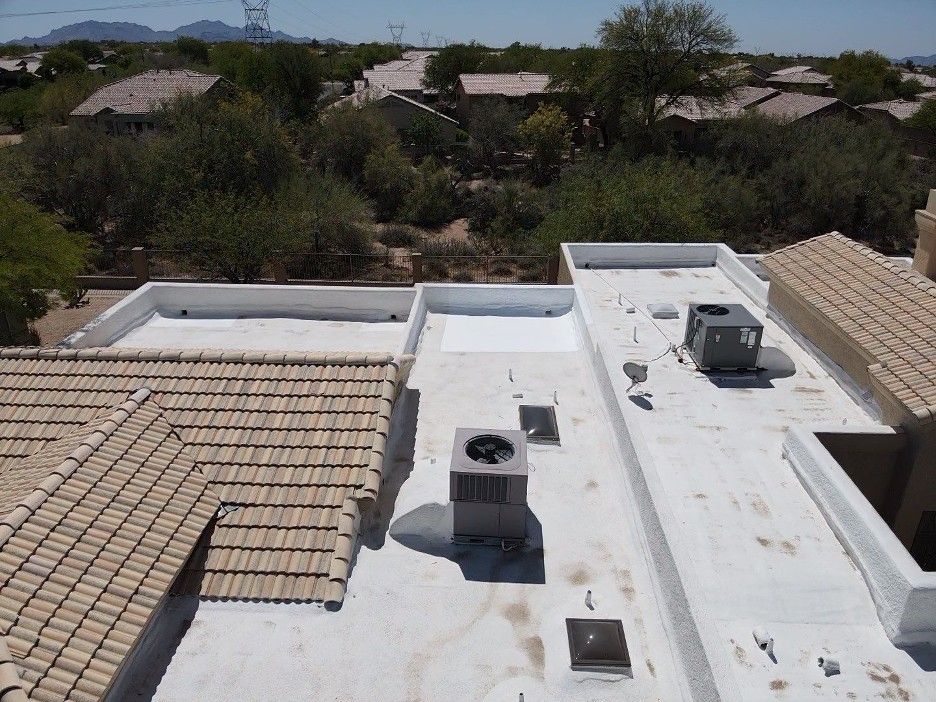
Can a flat foam roof be repaired instead of replaced?
Yes, most of the time. A foam roof can be repaired when the foam is dry and still bonded to the deck. Blisters, cracks, bird pecks and worn spots can be cut out, filled with new foam and recoated. Replacement only becomes the better choice when the foam is wet, coming loose, or worn too thin to repair.
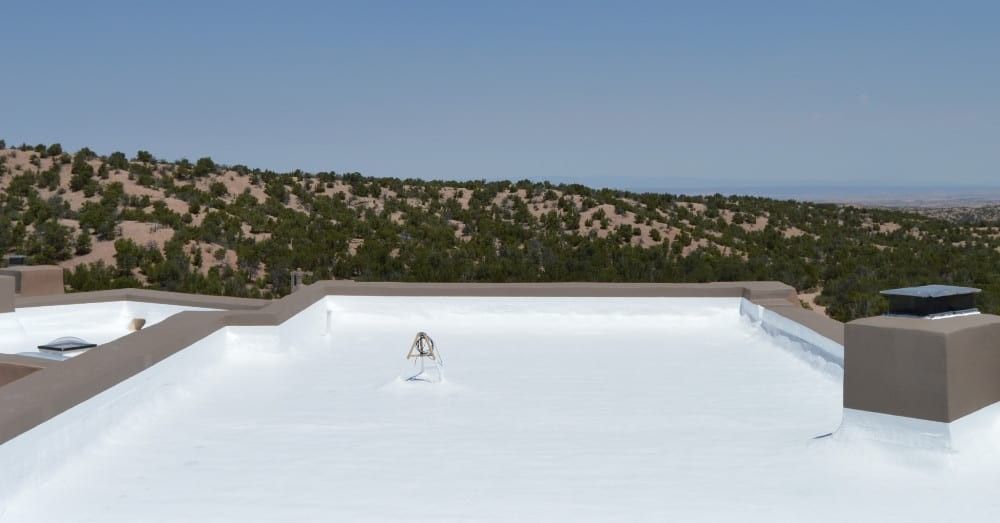
Spray polyurethane foam is sprayed onto the roof as a liquid, expands and hardens into a solid, insulating layer. On its own, foam breaks down in sunlight. The elastomeric coating on top is what protects it. Keep the coating in good shape and a foam roof can last for decades. Let it wear through and the foam erodes, starting with the spots that get the most sun and standing water.
What causes foam roof leaks in Arizona?
Most foam roof leaks in Arizona start where the coating has worn thin and the sun has started to break down the foam beneath it. Other common causes are blisters, cracks around rooftop units, bird damage, and water that ponds in low spots. Parapet walls and scuppers are also frequent leak points on flat roofs.
Here is what we find on foam and flat roofs in Phoenix, Tempe and Glendale:
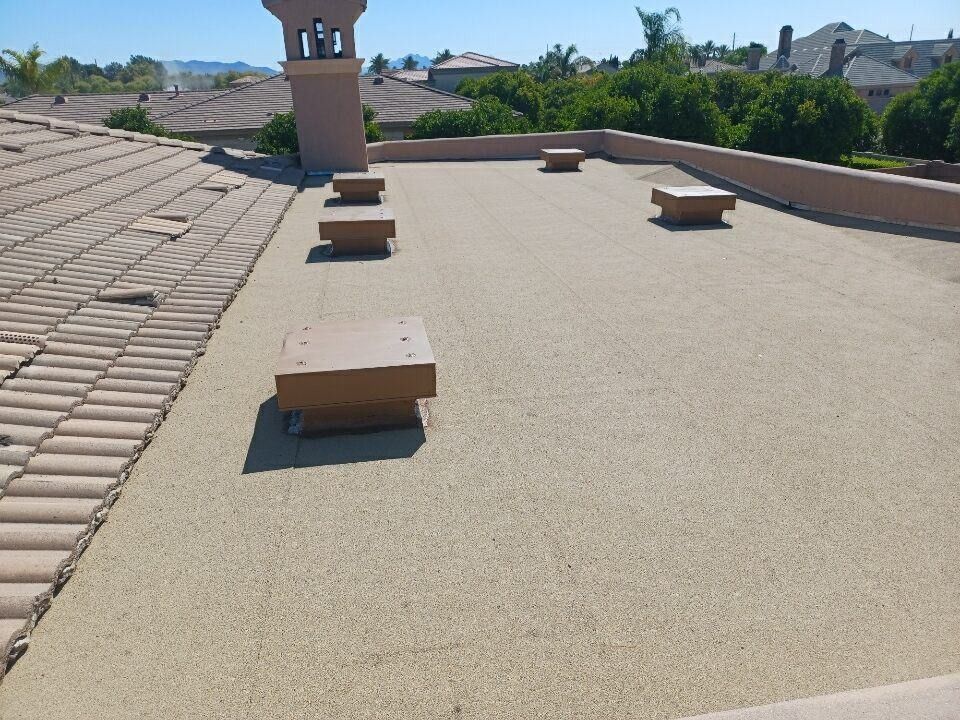
- Worn coating. Foam turns tan or yellow and feels chalky once the coating is gone. UV damage spreads from there.
- Blisters. Trapped moisture expands in summer heat and lifts the surface.
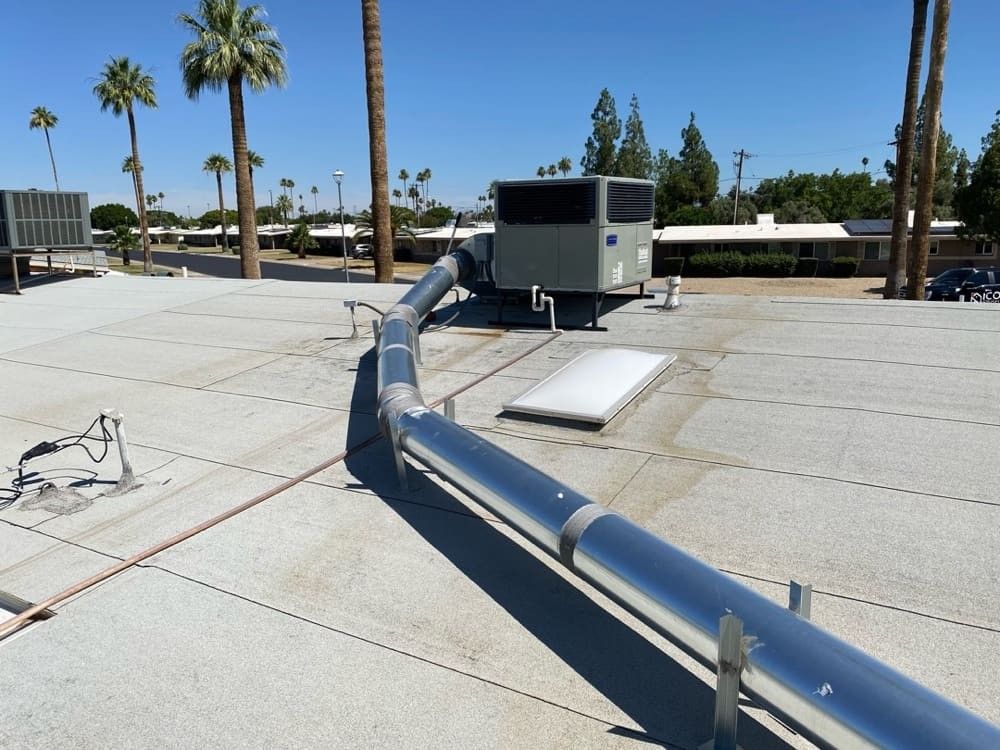
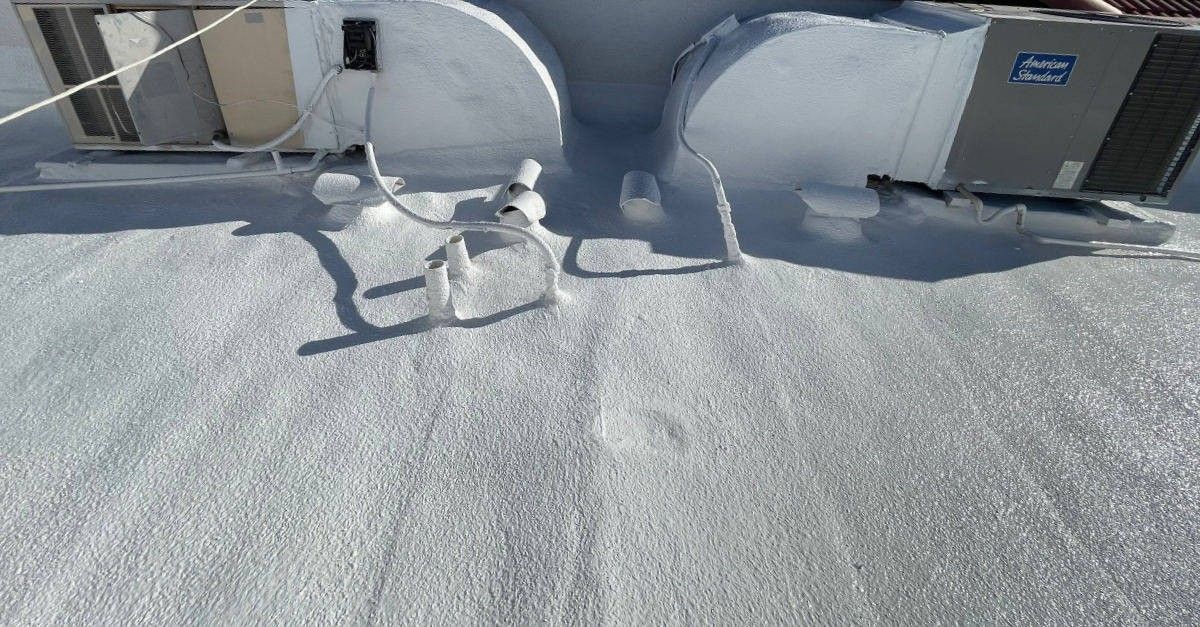
- Cracks and splits. Movement around AC units, ducts and pipes opens cracks in the foam and coating.
- Bird pecks. Birds pick at thin coating and leave holes that let water in.
- Ponding water. Low spots hold water after monsoon storms, which wears the coating faster and can find its way into the foam.
- Parapets and scuppers. The joints where the flat roof meets a wall or drain are often where water gets behind the system.
What are the signs your foam roof needs repair?
Watch for water stains on ceilings or walls, coating that is peeling or worn through, and visible cracks or blisters on the roof surface. A soft or spongy feel underfoot means water may have reached the foam. Mold or mildew on the roof, and foam that looks thinner than it used to, are also warning signs.
You can check some of this from a ladder at the edge of the roof. Look for:
- Bare or tan foam showing through the white coating
- Small holes or pecked areas near the edges
- Dark stains where water sits after a storm
- Cracks around rooftop equipment and pipe penetrations
Avoid walking the roof yourself if it has soft spots, since you can make the damage worse. Keep foot traffic off the roof in general. Every trip by a pool, solar or AC technician scuffs the coating, so ask them to stay on the paths around equipment. If you see new damage near your AC unit after a service visit, have it sealed before the next rain.
How does Icon Roofing repair a foam roof?
We repair a foam roof by cutting out the damaged foam down to solid material, filling the area with new spray foam or a foam-compatible sealant, and coating over it so the repair is protected from the sun. Worn sections around the repair get a fresh coat at the same time, and we check drainage before we finish.
The order matters. Coating over wet or damaged foam traps the moisture and leads to more blisters. So we cut out damage first, let the area dry if needed, and only then fill and coat. If many areas are worn, a full recoat of the roof may be the better value than spot repairs. When the foam itself is too far gone, we talk with you about a full foam roof replacement.
How long does a foam roof repair take?
Small foam repairs usually take a single visit. Larger jobs, like several damaged areas plus a recoat of worn sections, can take a few days because coatings need time to cure between coats. Weather plays a big part. We do not spray foam or coat in rain, and monsoon humidity can push a schedule back.
Spring and fall are good times for foam work. If you can, book repairs before monsoon season starts on June 15, so ponding spots and open cracks are sealed before the first heavy rain. Call our Mesa office Monday to Friday, 8:00am to 4:00pm, to get on the schedule.
How long can a repaired foam roof last?
A well-maintained foam roof can last for decades, and repairs plus regular recoats are what make that possible. A repair restores the damaged area, but the rest of the roof keeps aging. The coating is what you have to stay ahead of, because once it wears through, the sun damages the foam quickly.
We suggest having a foam roof checked every year or two and after big storms. Our article on how long different Arizona roofs last compares foam with tile and shingle. Many Phoenix homes have a foam section next to a tile or shingle roof, and storms often damage both. If yours did, our crew can also handle storm damage on the tile or shingle side of the house.
Where does Icon Roofing repair foam and flat roofs?
We repair foam and flat roofs across Metro Phoenix. They are common in older Phoenix, Tempe and Glendale neighborhoods, on Peoria and Scottsdale homes with flat sections behind tile mansards, and on additions and patio roofs everywhere in the Valley. Our office is in Mesa, and we work throughout the East and West Valley.
See our page on roofing services for Tempe homeowners, or go back to all residential roof repairs. For a foam roof you are paying for yourself, Wisetack monthly payment options can spread out the cost of a repair or recoat.