
Why do roof insurance claims get denied or underpaid?
Most roof claim denials are technical, not accusations of fraud. The insurer may call the damage normal wear instead of storm damage, point to a roof older than the policy fully covers, flag a missed filing deadline or rely on an adjuster’s scope that left out part of the damage. Underpayment is even more common than denial.
Underpayment is also easy to miss. A check that clears feels like a win until the repair bid comes in far higher than the insurer’s number. The common reasons behind both problems look like this:
- Wear and tear. The adjuster decides the damage came from age or poor maintenance, not a storm.
- Roof age. The policy limits payment on roofs past a certain age, or pays actual cash value instead of replacement cost.
- Late filing. The claim was reported after the policy’s deadline.
- A thin scope. The adjuster’s estimate leaves out damaged areas, flashing, underlayment or code items.
In nearly every case, the fix is better evidence than the adjuster used.
What deadlines do Arizona insurers have to meet?
Arizona’s claims handling rules generally require insurers to acknowledge a claim within 10 working days, reply to your communications within 10 working days and accept or deny the claim within 15 working days after receiving a properly completed proof of loss. The investigation is generally expected to finish within 30 days.
That 30-day expectation has an exception when there is a reasonable cause for delay. Even so, if your carrier misses these timelines without explanation, write down the dates. A pattern of missed deadlines can support a complaint with the state. Confirm the exact rules that apply to your policy with your adjuster, a licensed public adjuster or an attorney.
What should you do after a roof claim denial?
After a roof claim denial, work through five steps in order: read the denial and get an independent inspection, request a reinspection, file a written supplement, consider the appraisal clause and, if the insurer handled the claim unfairly, file a complaint with the state. Each step builds the record the next one needs.
Step 1: Read the denial and get an independent inspection
Find the specific reason in the denial letter or the adjuster’s estimate, and note each line item. Then have a licensed Arizona contractor inspect the roof and write a scope of damage. A licensed contractor’s assessment carries more weight than a homeowner’s account. A second-opinion roof inspection often turns up damage the adjuster never recorded.
Step 2: Request a reinspection
With the independent report in hand, ask your insurer in writing for a reinspection, and ask that your contractor be on the roof with the new adjuster. Pointing to each damaged area in person does far more than mailing photos and hoping someone reads them.
Step 3: File a written supplement
A supplement is a formal request to increase the payout for items the insurer missed or underpriced. Send it in writing with your contractor’s itemized scope, photos and current local pricing, and list each item line by line. Supplements are a routine part of roofing claims.
Step 4: Check your policy’s appraisal clause
If reinspection and a supplement still leave you short, look for an appraisal clause in your policy. Each side hires an independent appraiser, the two try to agree, and a neutral umpire decides anything they cannot. Appraisal settles disputes over the amount of a covered loss, not whether the loss is covered at all. You pay your own appraiser, so ask about costs first.
Step 5: File a complaint with the state
The Arizona Department of Insurance and Financial Institutions (DIFI) takes consumer complaints at no cost to you. A complaint requires your insurer to respond formally. It fits when your carrier has missed the deadlines above or handled the claim unfairly. You can file through the DIFI website.
Which recovery option fits your situation?
The right recovery option depends on why the claim fell short. An independent inspection comes first in almost every case. A reinspection or supplement fits damage the adjuster missed or underpriced. The appraisal clause fits disputes over the dollar amount. A state complaint fits missed deadlines or unfair handling.
| Option | Use it for | What it costs you |
|---|---|---|
| Independent inspection | Building evidence before any challenge | Often nothing when done by a roofing contractor |
| Reinspection | Damage the first adjuster missed or dismissed | No cost to request |
| Written supplement | Underpaid or incomplete estimates | No cost to submit |
| Appraisal clause | Disputes over the amount of a covered loss | You pay your own appraiser and usually share the umpire’s fee |
| DIFI complaint | Missed deadlines or unfair handling | Free |
If the dispute is about whether your policy covers the loss at all, talk to a licensed public adjuster or an attorney. Those are policy and legal questions a roofer cannot answer for you.
How does Icon Roofing document roof damage?
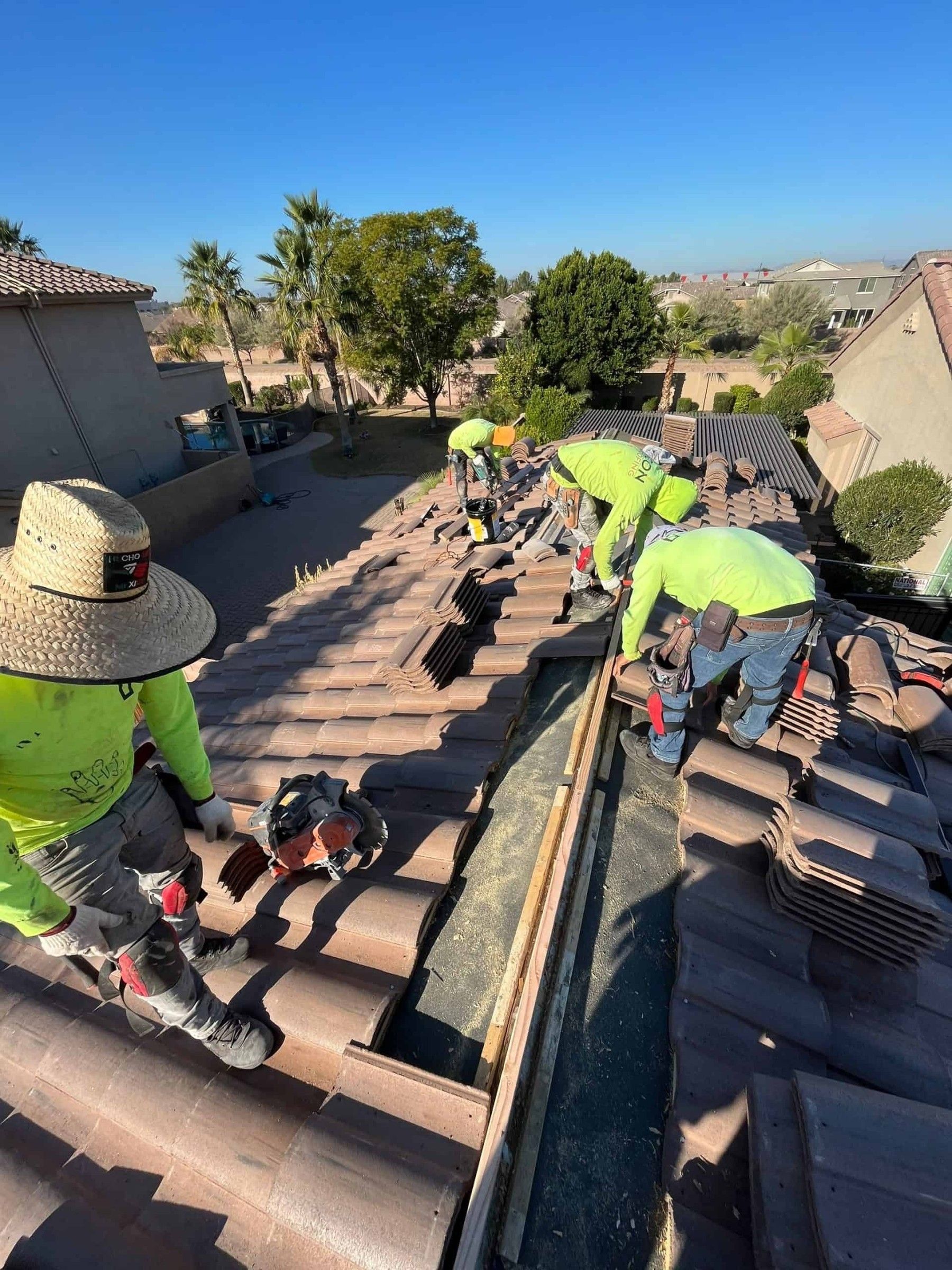
Icon Roofing documents roof damage by inspecting the roof in person, photographing each damaged area, recording where it is and writing an itemized scope of the repairs needed. That report gives you evidence to send with a reinspection request or supplement, and an Icon Roofing team member can walk the roof with your adjuster.
The documentation covers what an adjuster is most likely to question:
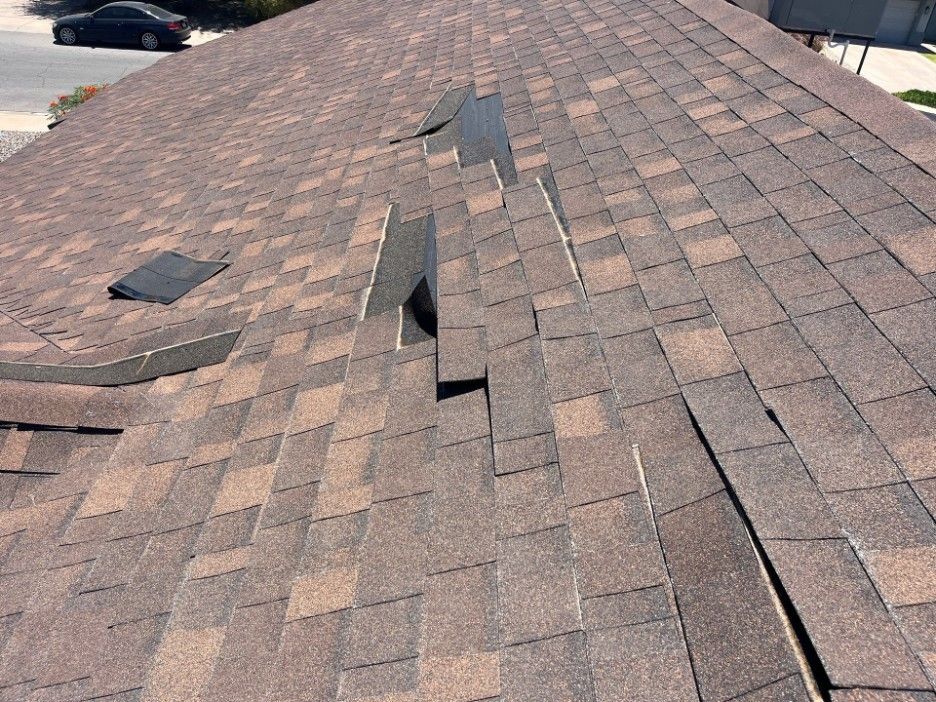
- Storm damage versus wear. Photos show lifted, creased or missing shingles, cracked or displaced tiles and fresh impact marks, alongside the general condition of the roof.
- Hidden layers. On tile roofs, the underlayment is usually what fails, and the tiles often outlast it. Icon Roofing notes damaged underlayment, flashing and decking that a quick look from the ladder misses.
- A complete scope. The written scope lists each item so nothing gets left out of the estimate.
Icon Roofing holds Arizona ROC# 333889 CR-42. The team handles roof repair after monsoon storms across the Valley and can stay with you through the claim. Icon Roofing does not give legal advice or interpret your policy. For that, read your policy and talk to your adjuster, or a licensed public adjuster or attorney when the dispute calls for it.
How can you avoid a roof claim denial next time?
The surest way to avoid a roof claim denial is to know your policy before a storm hits. Know whether you have replacement cost or actual cash value coverage, document storm damage quickly and thoroughly, file within your policy’s window and have a licensed roofer inspect the roof before the adjuster visits, not after.
Regular inspections help too. A roof with a record of yearly checks makes it harder for an insurer to blame new damage on old wear. The step-by-step roof insurance claim guide covers the full process from the first photo to closing the claim.
Have questions about a denied or underpaid claim? Call Icon Roofing at (480) 427-7600, Monday to Friday, 8:00am to 4:00pm, to schedule an independent inspection.
This page is general information, not legal advice. For guidance on your specific policy or a contested claim, consult a licensed Arizona insurance professional or attorney.