
What does a residential roof inspection check?
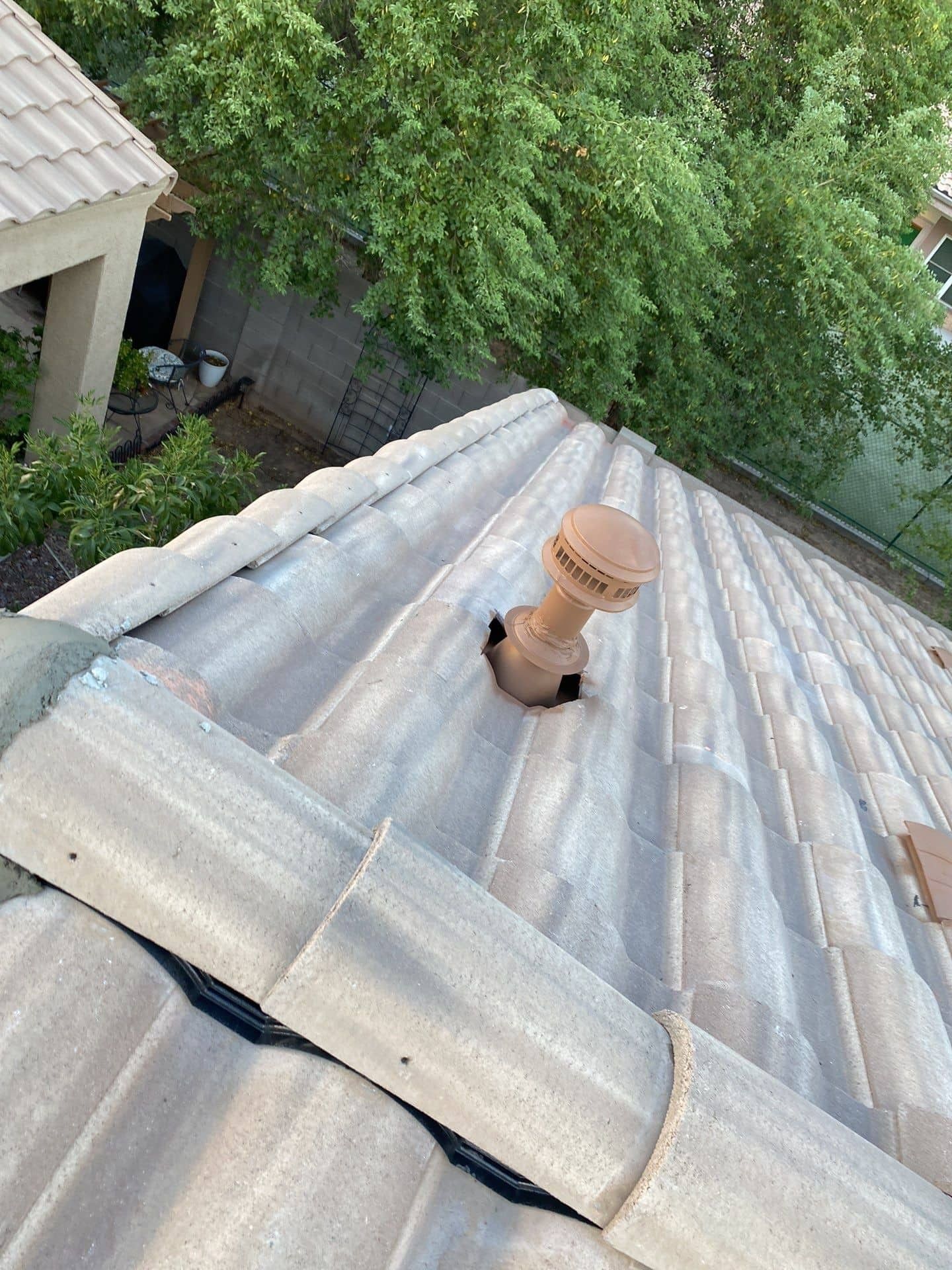
A residential roof inspection checks the roof surface, flashing, valleys, vents and pipes, skylights, gutters and downspouts, the attic and the interior ceilings. We look for damage, wear and spots likely to fail soon. The goal is to tell you the roof’s true condition and what, if anything, it needs.
The steps change a little with the roof’s age, the material and the recent weather. A ten-year-old shingle roof after a hail storm gets a different focus than a 25-year-old tile roof with no leaks. Every inspection covers the same core areas, though, and every finding gets a photo. Inspections are one part of our roof inspection services for every property type.
What does an inspection look for on each type of roof?
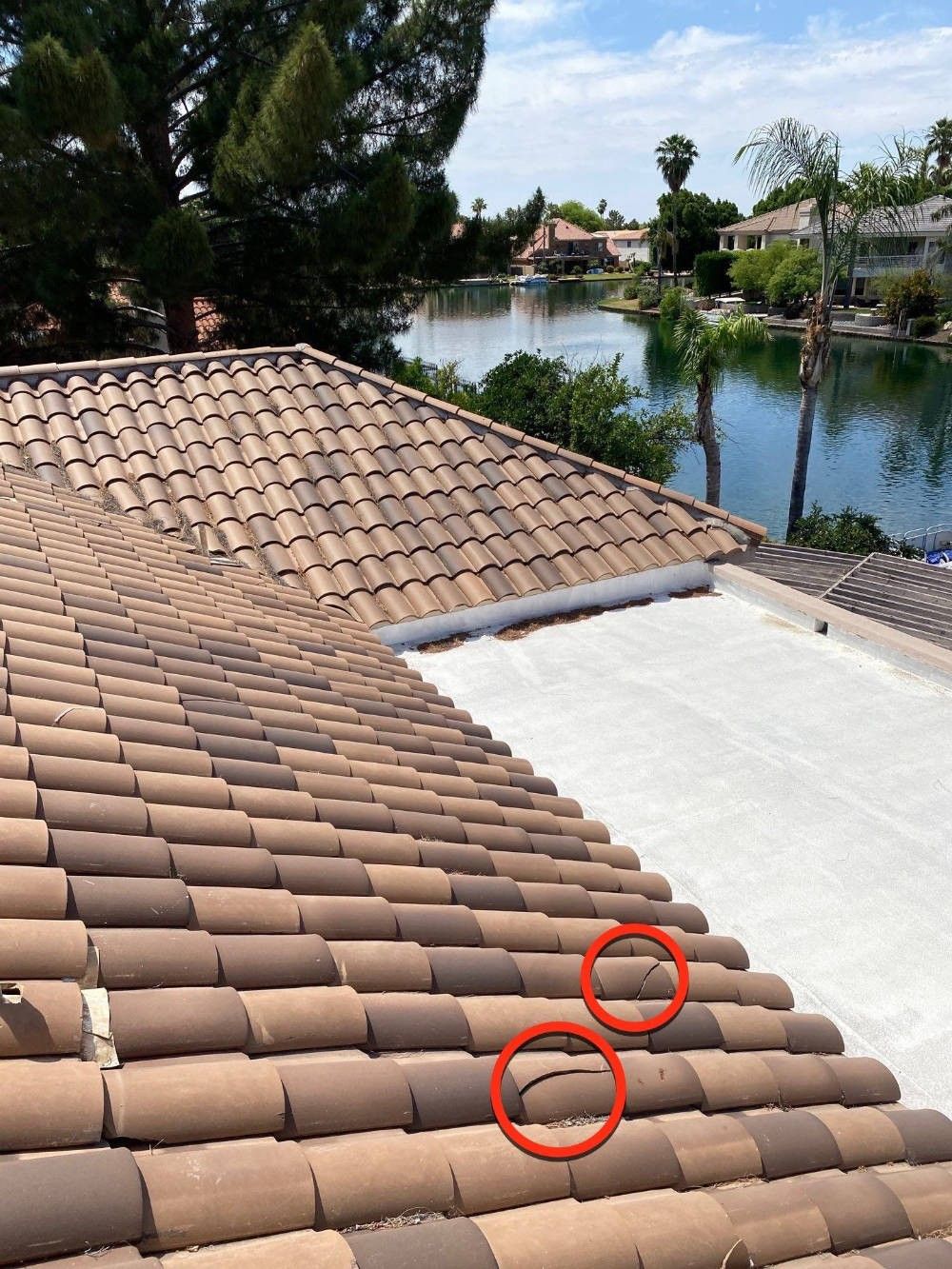
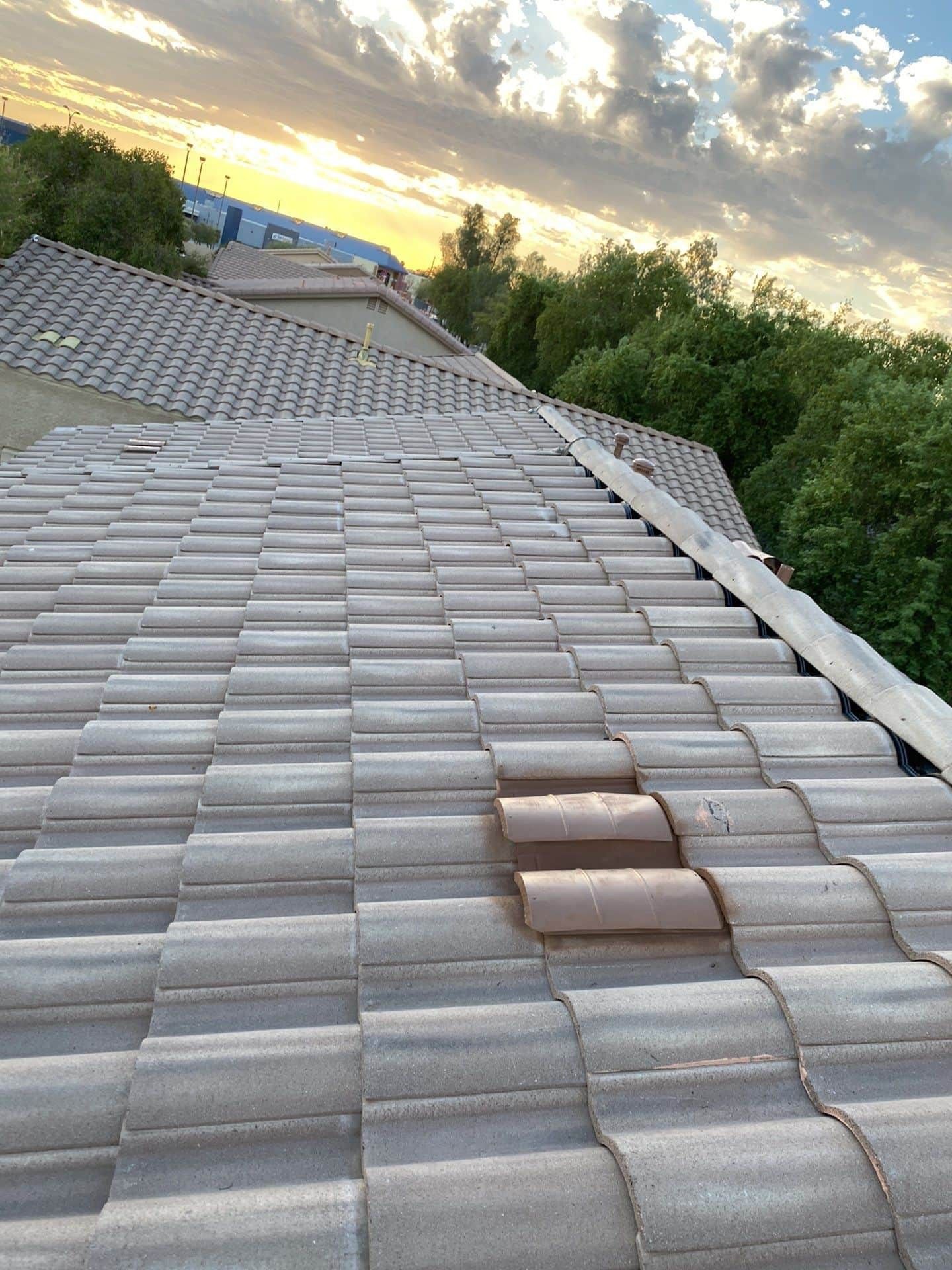
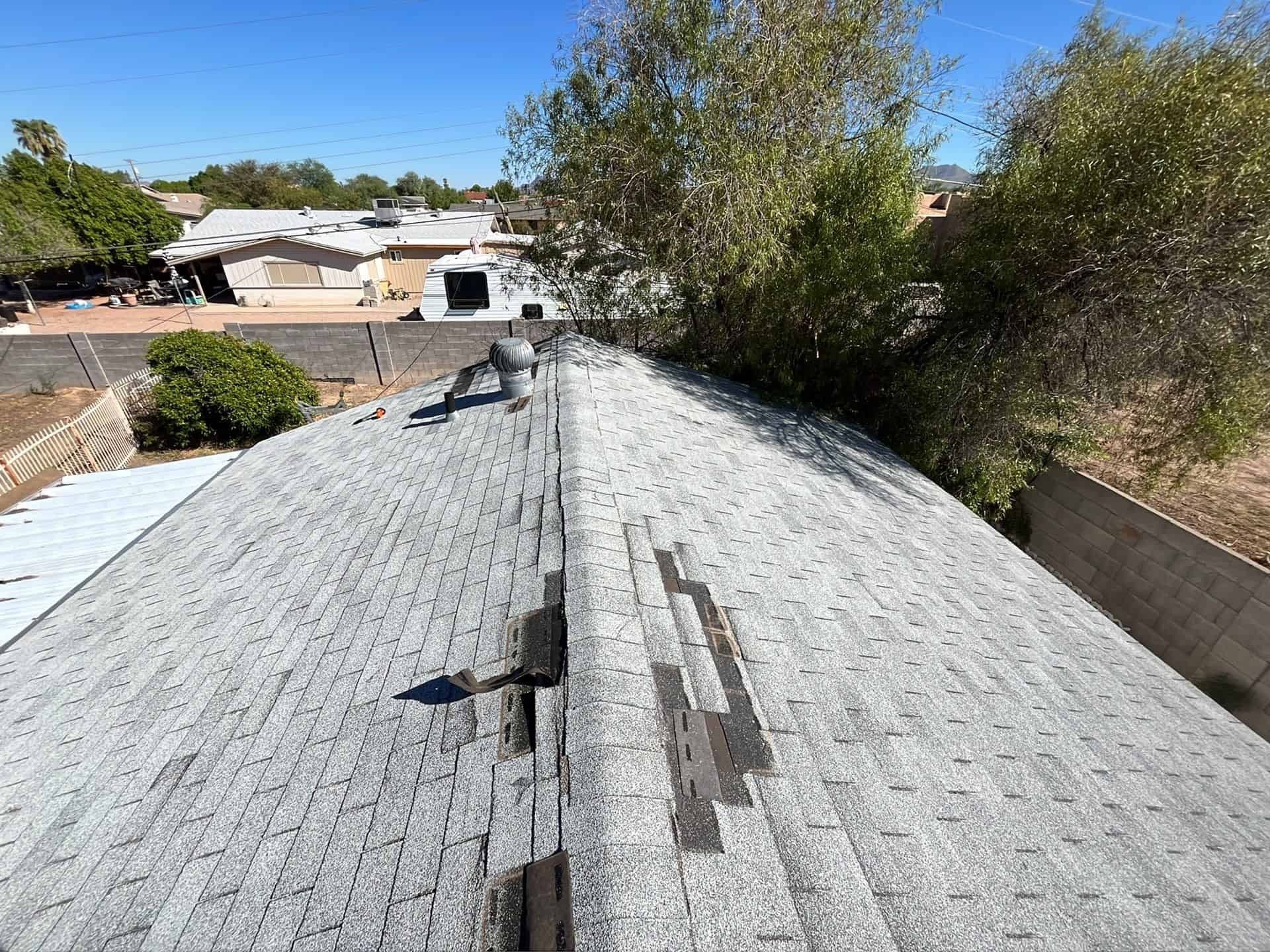
Each roof type fails in its own way, so the inspection changes with it. On tile, we focus on the underlayment and flashing. On shingle, we look at granule loss, lifted tabs and nail pops. On foam, we check the coating. On metal, we check fasteners and seams. This table sums it up.
| Roof type | What we check most closely | Common Arizona problems |
|---|---|---|
| Concrete or clay tile | Underlayment, flashing, cracked or slipped tiles | Underlayment dried out by heat, broken tiles |
| Asphalt shingle | Granules, lifted tabs, nail pops, vents | Heat curling, wind damage in monsoons |
| Flat or foam | Coating wear, blisters, ponding, drains | Coating worn thin by UV, bird damage |
| Metal | Fasteners, seams, sealant, corrosion | Loose fasteners from heat movement |
Tile roofs are common in Scottsdale, Gold Canyon and other foothill communities. Many shingle homes sit in Gilbert, Queen Creek and San Tan Valley. We inspect both styles throughout the Valley, including homes in Gold Canyon near the Superstition Mountains.
How often should a homeowner get a roof inspection?
Homeowners should get a roof inspection twice a year and after any severe storm, which follows guidance from the National Roofing Contractors Association. In Arizona, that usually means spring, before monsoon season, and fall, after it. Older roofs and roofs that have leaked before benefit most from that schedule.
Monsoon season runs from June 15 to September 30. Strong wind, wind-driven rain, dust storms and hail in some years can all damage a roof in one afternoon. A spring check lets you fix weak spots before the first storm. A fall check catches what the storms left behind.
Do you need a roof inspection before buying or selling a home?
Yes, a roof inspection before buying or selling a home is a smart step. A general home inspector looks at the roof as part of the whole house, often from the ground or a ladder. A roofing contractor walks the roof, checks the flashing closely and can tell you what a repair or replacement would involve.
For buyers, the report shows what you are taking on and gives you facts for negotiation. For sellers, a recent report with photos answers buyer questions before they come up, and lets you fix small issues before listing.
How does a roof inspection help with an insurance claim?
A roof inspection helps with an insurance claim by documenting storm damage with dated photos and a written description from a licensed roofing contractor. Most insurers want this kind of report before they approve a claim. It also helps separate new storm damage from older wear, which is often the key question for an adjuster.
If you find damage after a storm, our page on filing a roof damage insurance claim explains the process. When the damage is clear, our storm damage roof repair team can make the repairs.
What does the inspection report include?
The inspection report includes a summary of your roof’s overall condition, a list of each problem with a photo, a note on what caused it when we can tell, and our recommendations ranked by urgency. You will know what needs attention now, what to plan for and what simply needs watching.
The report is yours to keep. Use it to plan repairs, compare estimates, support a claim or track your roof over time.
Inspections matter on newer roofs too. Installation defects and storm damage can affect a roof of any age, and finding a problem while the roof is still under warranty can save you money. A report from the first few years also gives you a baseline to compare against later.
How much does a home roof inspection cost?
A home roof inspection from Icon Roofing costs $75. If you hire us for the repair or replacement the inspection points to, we waive the fee. You receive the same written report with photos whether or not you hire us, and you can use it however you like.
If the inspection finds a problem, we can repair it. Many tile leaks are fixed with tile roof repair and underlayment work rather than a new roof. For shingle roofs, see our shingle roof repair service.
What can you check yourself between inspections?
You can check a few things yourself without climbing on the roof. From the ground, look for broken or slipped tiles, lifted or missing shingles, debris on the roof and clogged gutters. In the attic, look for water stains, damp insulation and daylight. Inside, watch ceilings for new stains after rain.
Stay off the roof itself. Walking on tile or foam without training can break tiles or puncture the surface, and falls are a real risk. If you see something that worries you, call (480) 427-7600, Monday to Friday, 8:00am to 4:00pm. Our guide to getting your roof ready for monsoon season lists more seasonal checks.