
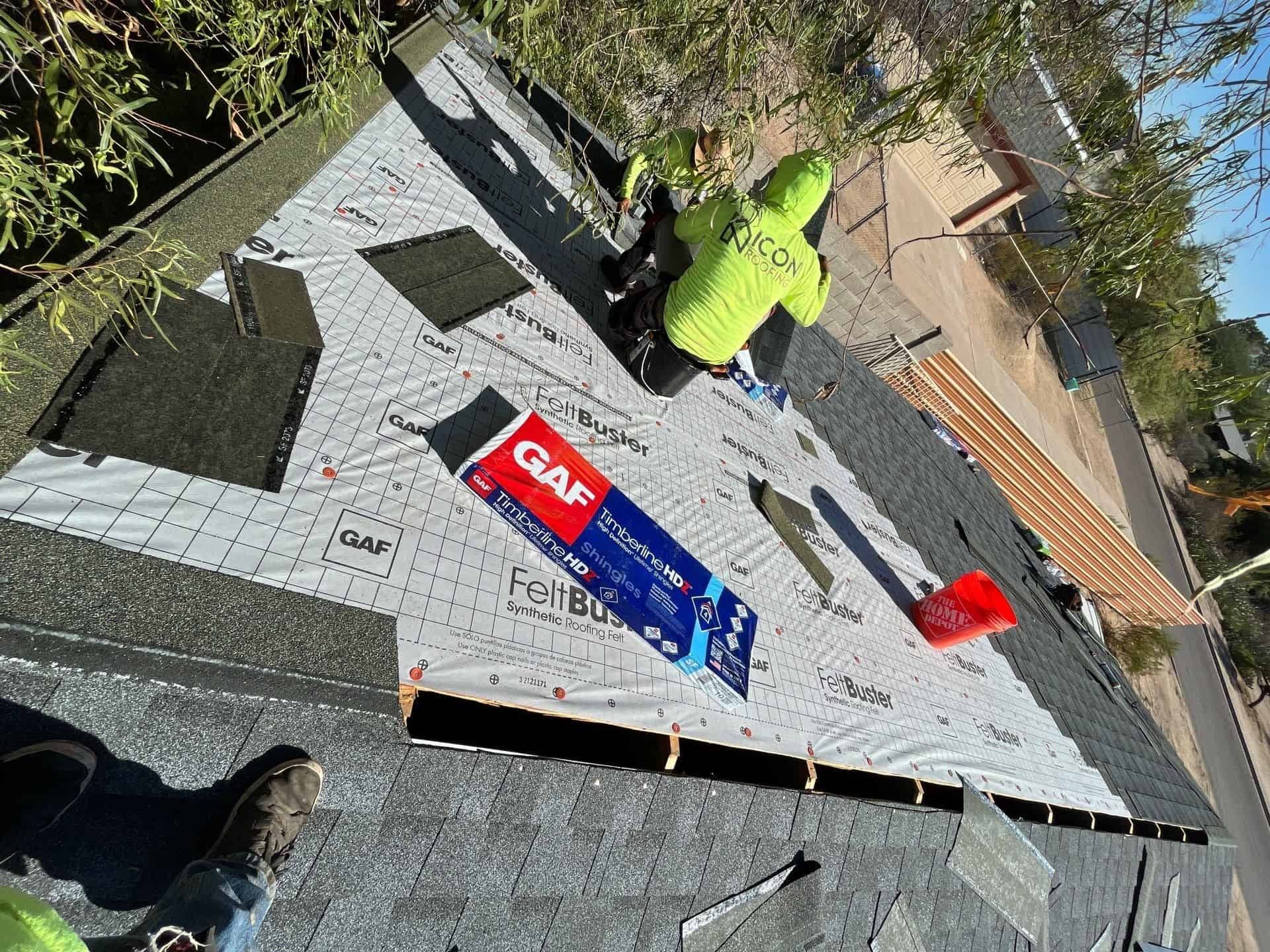
What do multi-family roofing services cover?
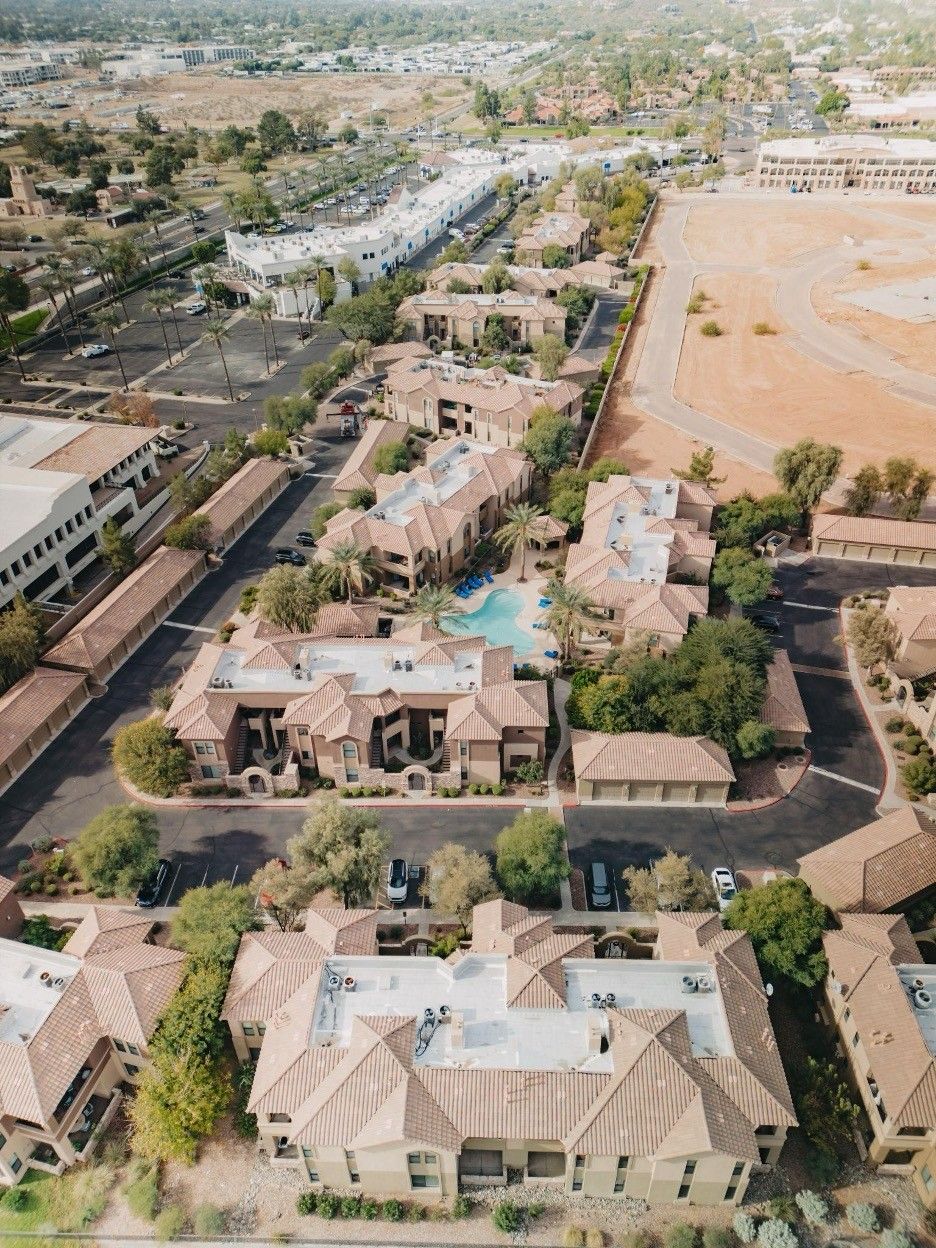
Multi-family roofing services cover repair, replacement, inspection and scheduled maintenance for buildings that house more than one household. That includes apartment communities, condominiums, townhome rows, duplexes and HOA-managed neighborhoods. The work is similar to a house roof, but the planning, communication and paperwork are built for owners, managers and boards.
Icon Roofing handles every stage of a multi-family roof’s life:
- Repairs for leaks, storm damage, cracked tile, worn flashing and failing foam coatings.
- Replacement of full roofs, single buildings or phased sections across a property.
- Inspections before and after monsoon season, for purchases, and for insurance documentation.
- Maintenance programs that keep drains clear, coatings current and small problems small.
Which multi-family roofing page fits your property?
Start with the page that matches your building and your role. Each one covers the decisions that type of owner faces, from tenant notices on an apartment roof to who pays for a shared condo roof. The table below points you to the right place, and every page links back here.
| Property or role | Repair | Replacement |
|---|---|---|
| Apartment owners and asset managers | apartment and multi-family roof repair | phased apartment roof replacement |
| Condo associations and owners | shared condo roof repair | condominium reroofing projects |
| Townhome owners and HOAs | repairs for connected townhomes | replacing a townhouse row roof |
| Duplex owners and landlords | fixing a two-unit duplex roof | new roofs for duplex rentals |
Two more pages apply to every property type. Boards should read our guide to roof projects run by HOA boards. Managers who want fewer surprises should look at scheduled roof maintenance programs.
Why does a multi-family roof need a different approach than a house?
A multi-family roof needs a different approach because one problem reaches several households at once. A leak over a shared wall can show up in two units. Rooftop air conditioners, vents and walkways multiply the places water can get in. And the people who live there are often not the people who approve and pay for the work.
That changes how a good roofer runs the job:
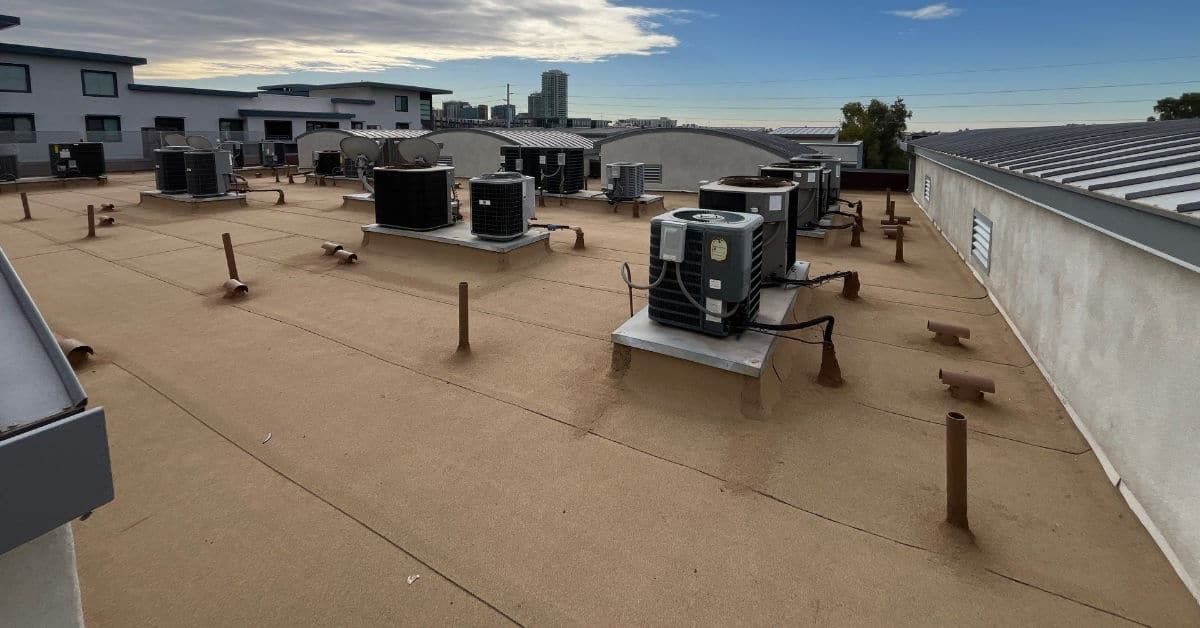
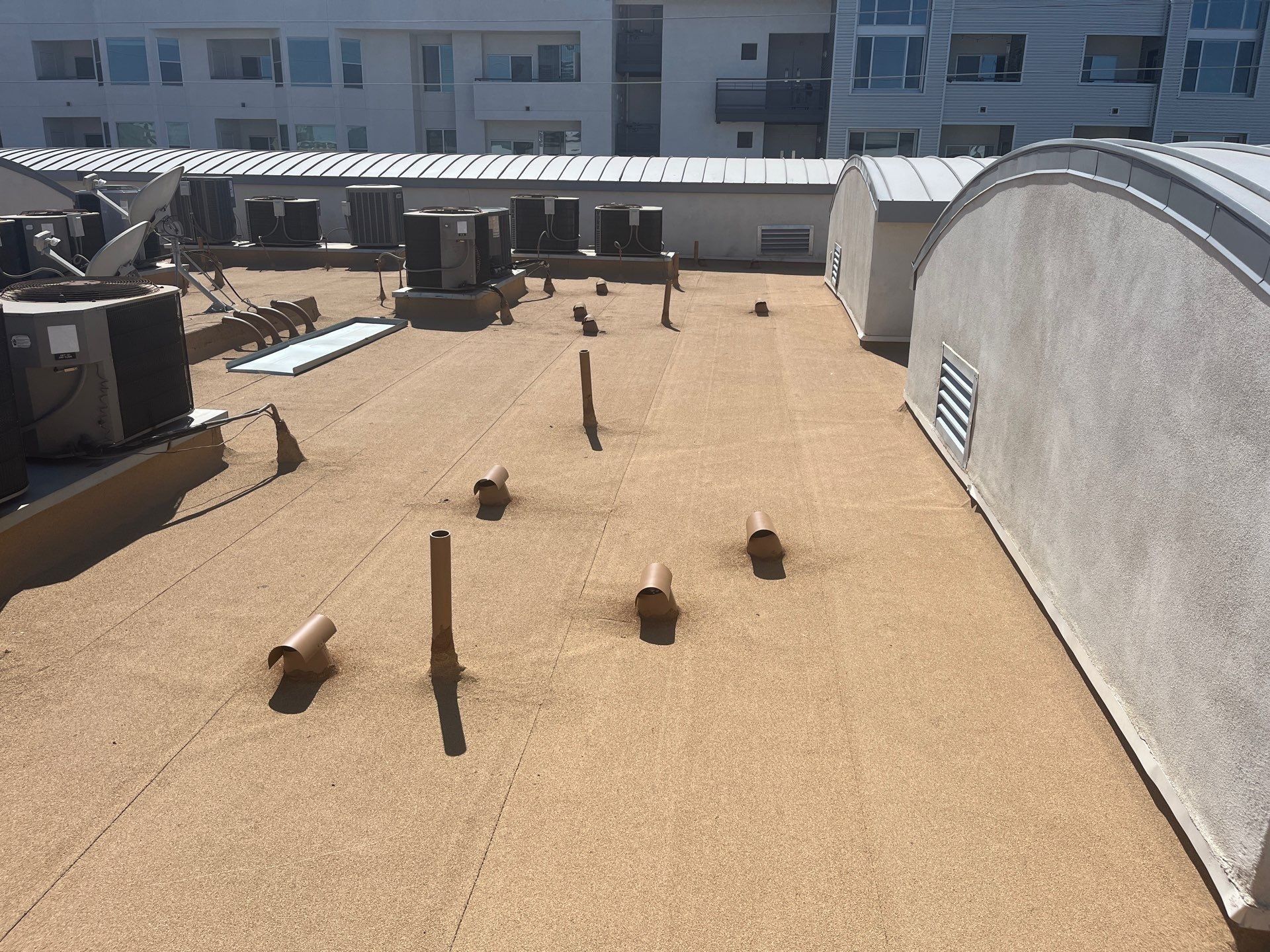
- More penetrations. Each unit may have its own condenser, plumbing vents and exhaust fans, and every one needs sound flashing.
- More decision makers. Owners, managers, boards and residents all need different information at different times.
- More records. Insurance carriers, lenders and reserve planners want photos and written findings, not a verbal summary.
- Occupied buildings. Crews work around residents, parking, pools and common areas every day.
How does Arizona weather wear down apartment and condo roofs?
Arizona wears down multi-family roofs through constant heat and UV, sudden monsoon storms, and dust. Sun breaks down foam coatings, shingles and the underlayment beneath tile. Monsoon season, which the National Weather Service sets as June 15 to September 30, brings wind-driven rain, haboobs and hail in some years.
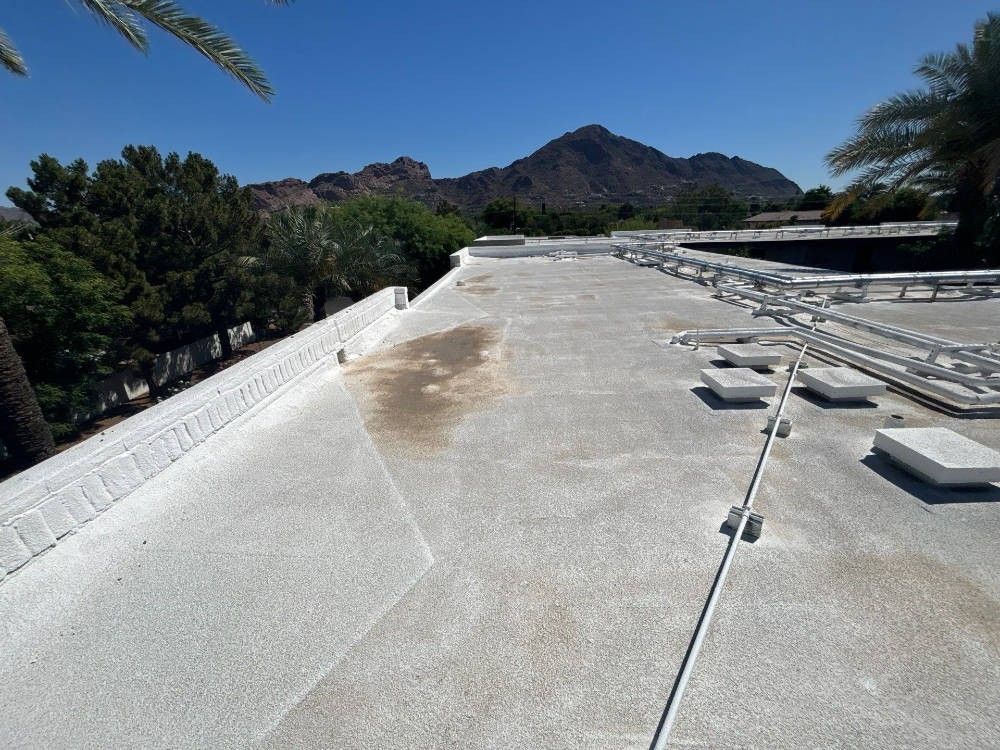
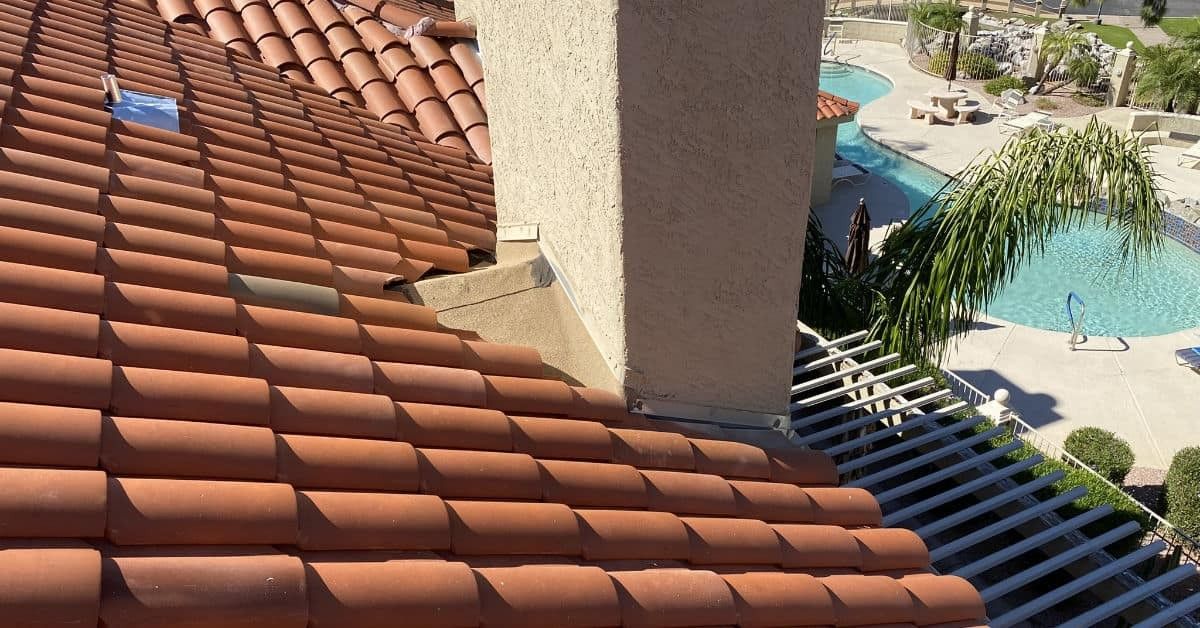
On large complexes these forces show up in predictable places. Flat foam sections lose their protective coating and start to absorb water. Roof drains and scuppers clog with dust and debris right before the first big storm. Tile roofs often look fine from the parking lot while the underlayment below has dried out and cracked, since the tiles usually outlast it. Our post on protecting multi-family buildings before monsoon season walks through the checks that matter most.
What roof types are common on Valley multi-family buildings?
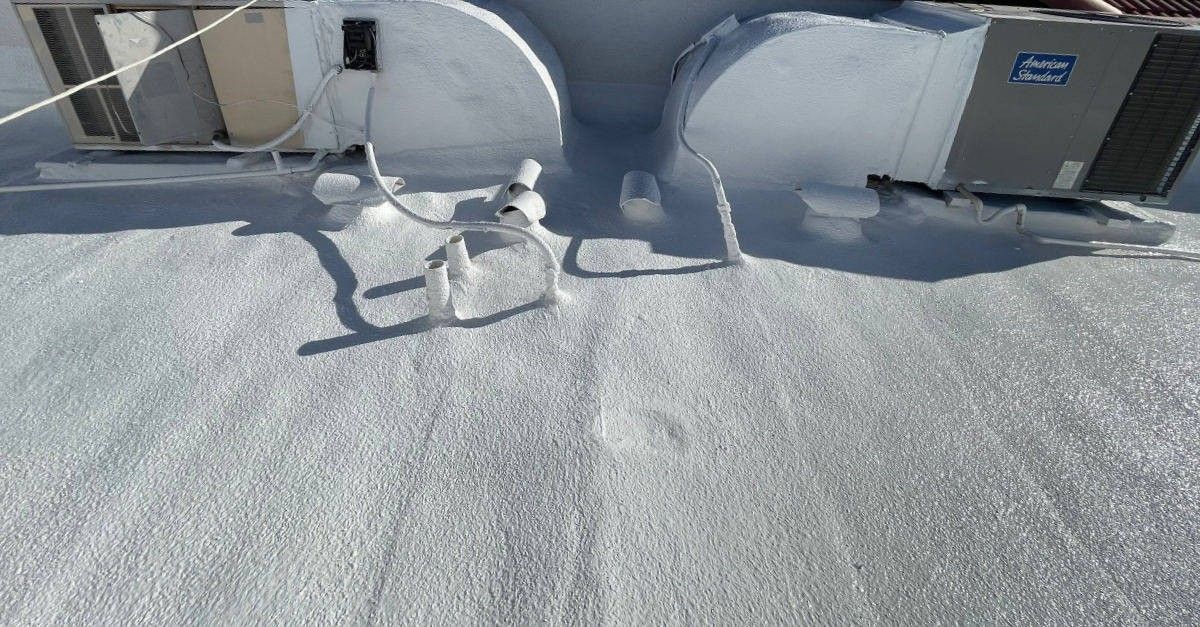
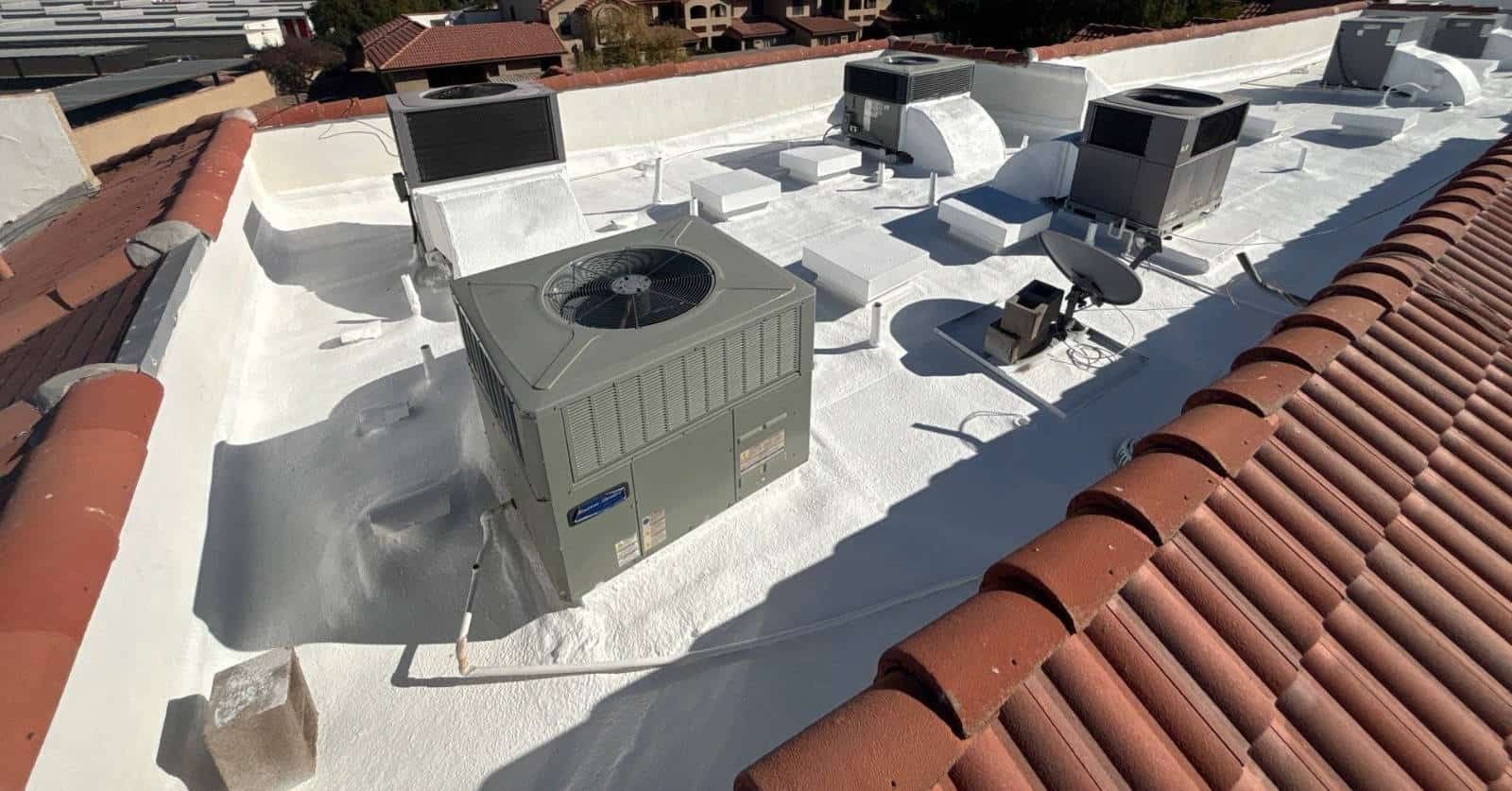
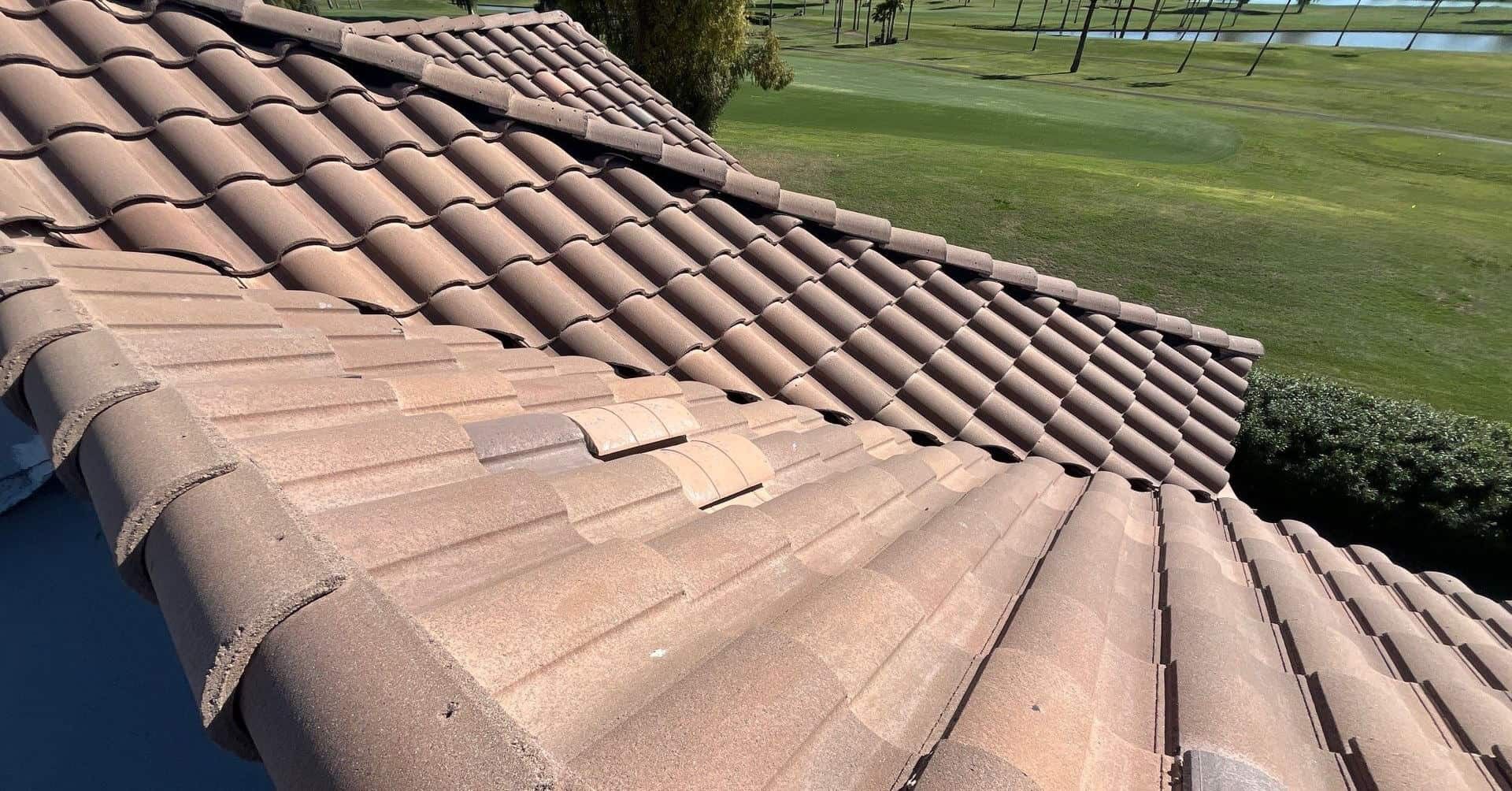
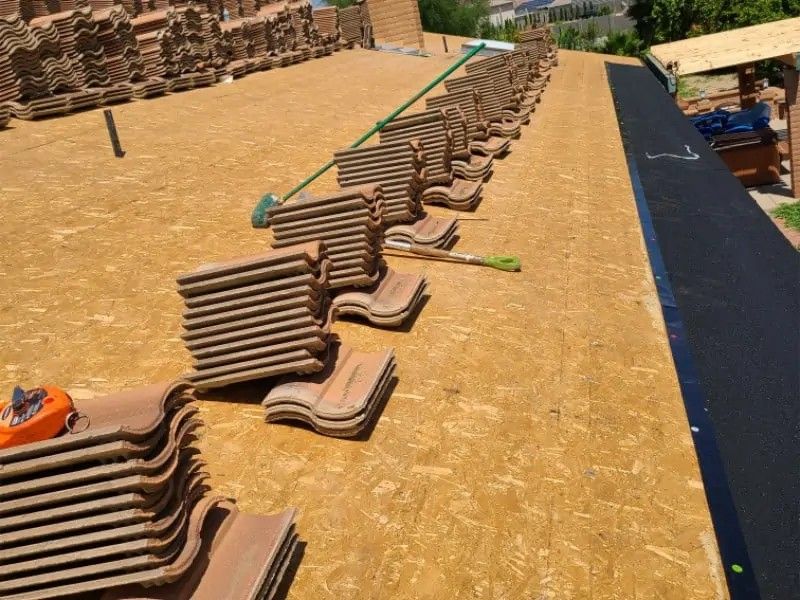
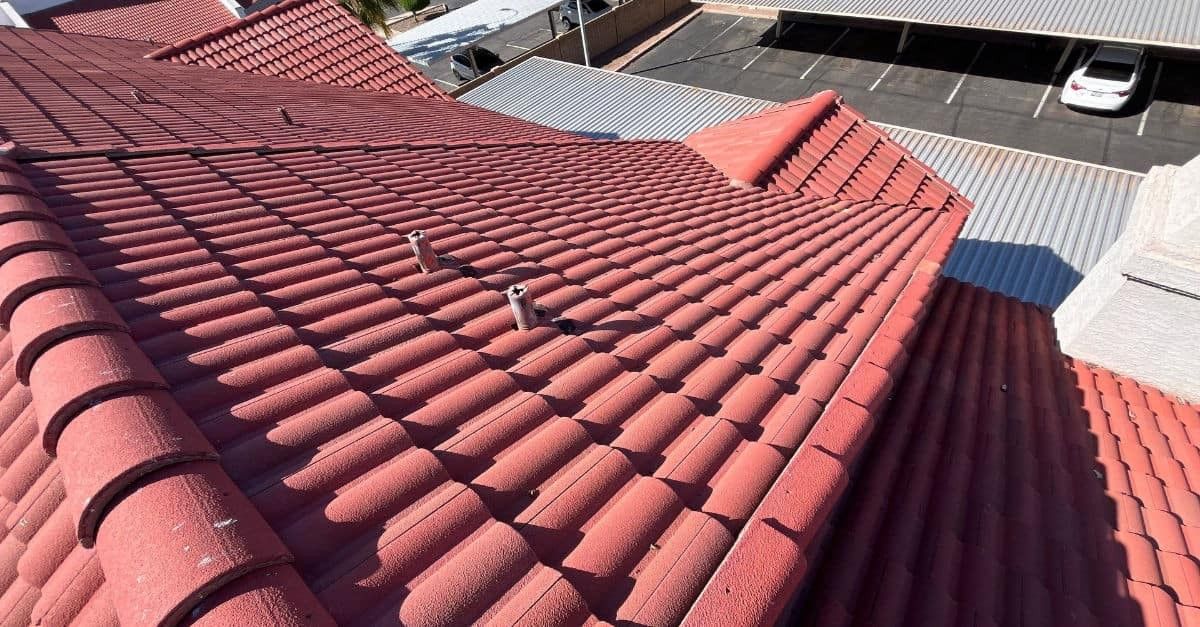
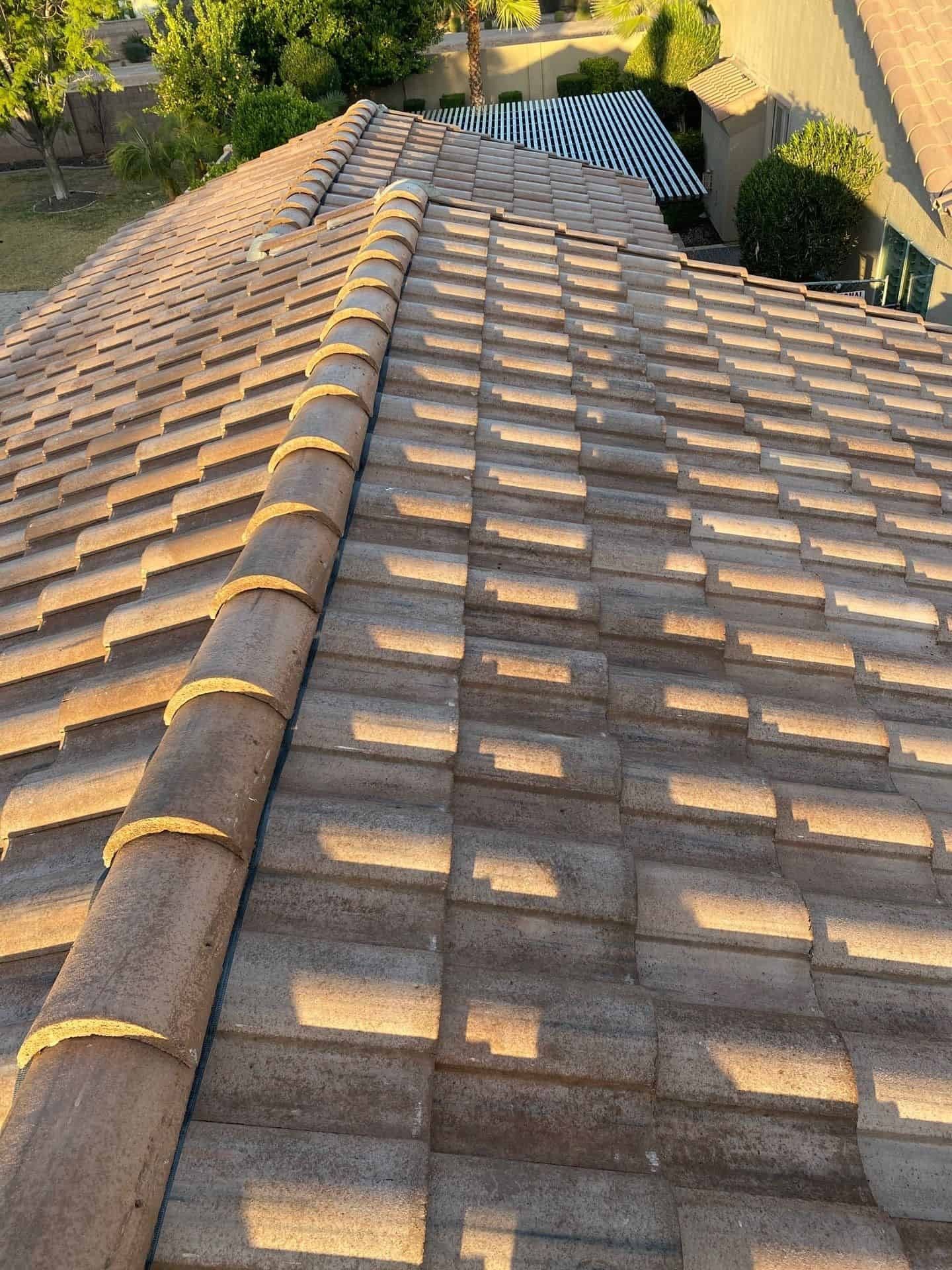
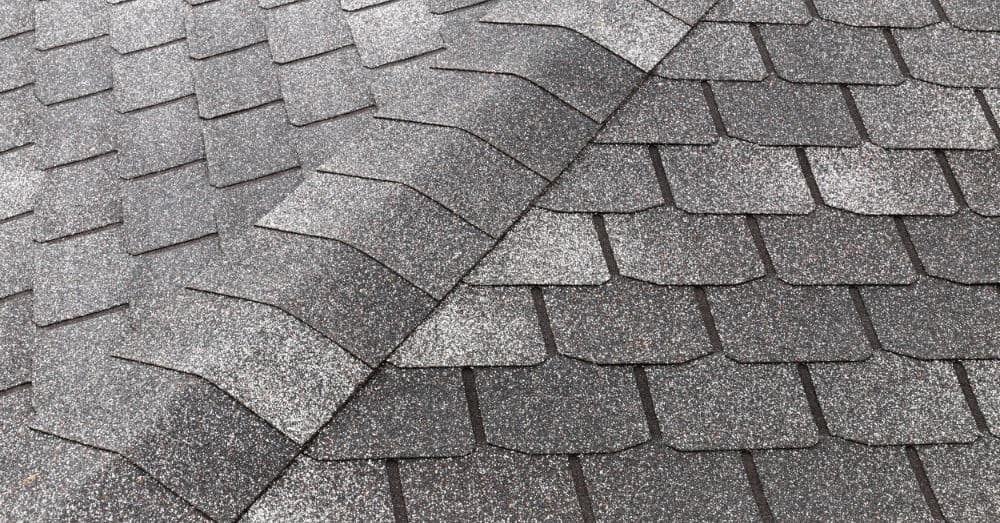
Most multi-family buildings in the Valley use concrete or clay tile on pitched sections, asphalt shingle on some townhome and duplex stock, and spray foam on flat sections. Many older apartment communities pair a tile mansard around the edge with a flat foam roof in the middle, where the air conditioning units sit.
Each type ages differently. Tile roofs usually need underlayment replacement long before the tiles wear out. Shingle roofs show granule loss and lifted tabs after years of sun. Foam roofs need periodic recoating to stay watertight. Metal roofs are less common on multi-family buildings but do appear on carports and some newer projects. A multi-family housing roof inspection tells you which systems you have and where each one stands.
How does Icon Roofing work with owners, managers and HOA boards?
Icon Roofing works with owners, managers and boards by agreeing on goals and budget first, then giving everyone the information they need to decide. We meet with you or your community manager before we write a proposal, answer questions at board meetings when asked, and document the finished work with photos.
Every project follows the Icon Way standards we apply to every community: competitive pricing, quality materials, a satisfaction guarantee, and warranties on craftsmanship and materials. As a GAF Master Elite contractor serving apartment owners, a status GAF says is held by roughly the top 2% of its contractors, Icon Roofing can offer the GAF Golden Pledge limited warranty when the system qualifies.
Where does Icon Roofing serve multi-family properties?
Icon Roofing serves multi-family properties across Metro Phoenix from our office at 2150 E Brown Rd in Mesa. Much of our apartment, condo and HOA work is in Phoenix, Mesa, Tempe, Scottsdale, Chandler, Gilbert, Glendale and Peoria, where dense housing and older flat roofs are common across many neighborhoods.
You can see every community we cover on our Metro Phoenix service area page. Call (480) 427-7600, Monday to Friday from 8:00am to 4:00pm, to talk through your property.