
A Homeowner's Checklist for Getting Your Roof Through Monsoon Season
Monsoon rain, wind and humidity all test your roof at once. Here are the five checks to do before the storms, when to call a pro, and what to do if you find damage.
Key takeaways
- Monsoon storms attack roofs three ways: rain that does not drain, wind that lifts tile and shingles, and humidity that feeds mold.
- Clean gutters, fix loose or broken tile and shingles, check flashing, trim branches and look in the attic before the season starts.
- Repairs caught before the storms often cost hundreds of dollars instead of thousands.
- If you find damage, photograph it right away, then call a roofer and your insurance company.
How do monsoons damage Phoenix roofs?
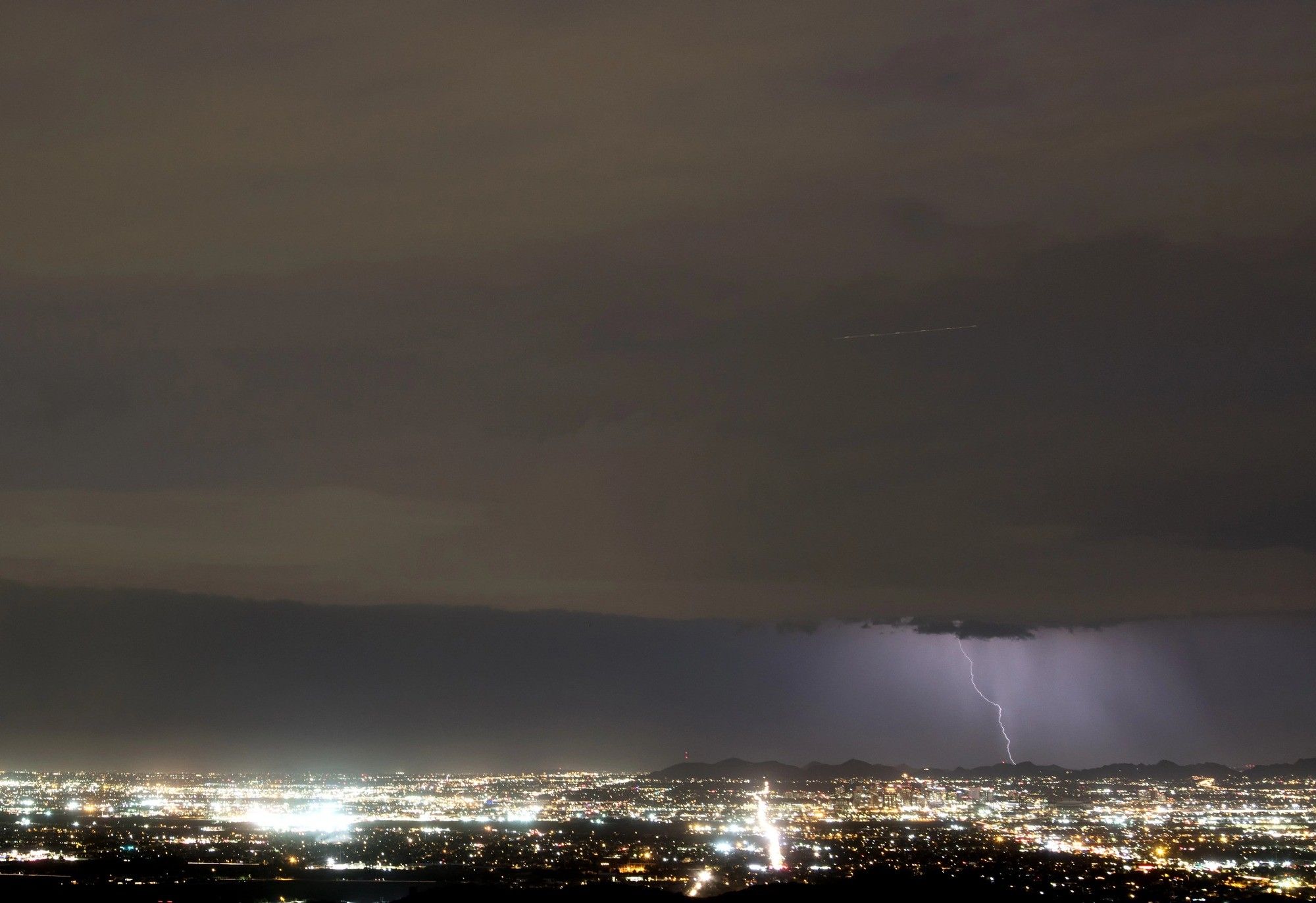
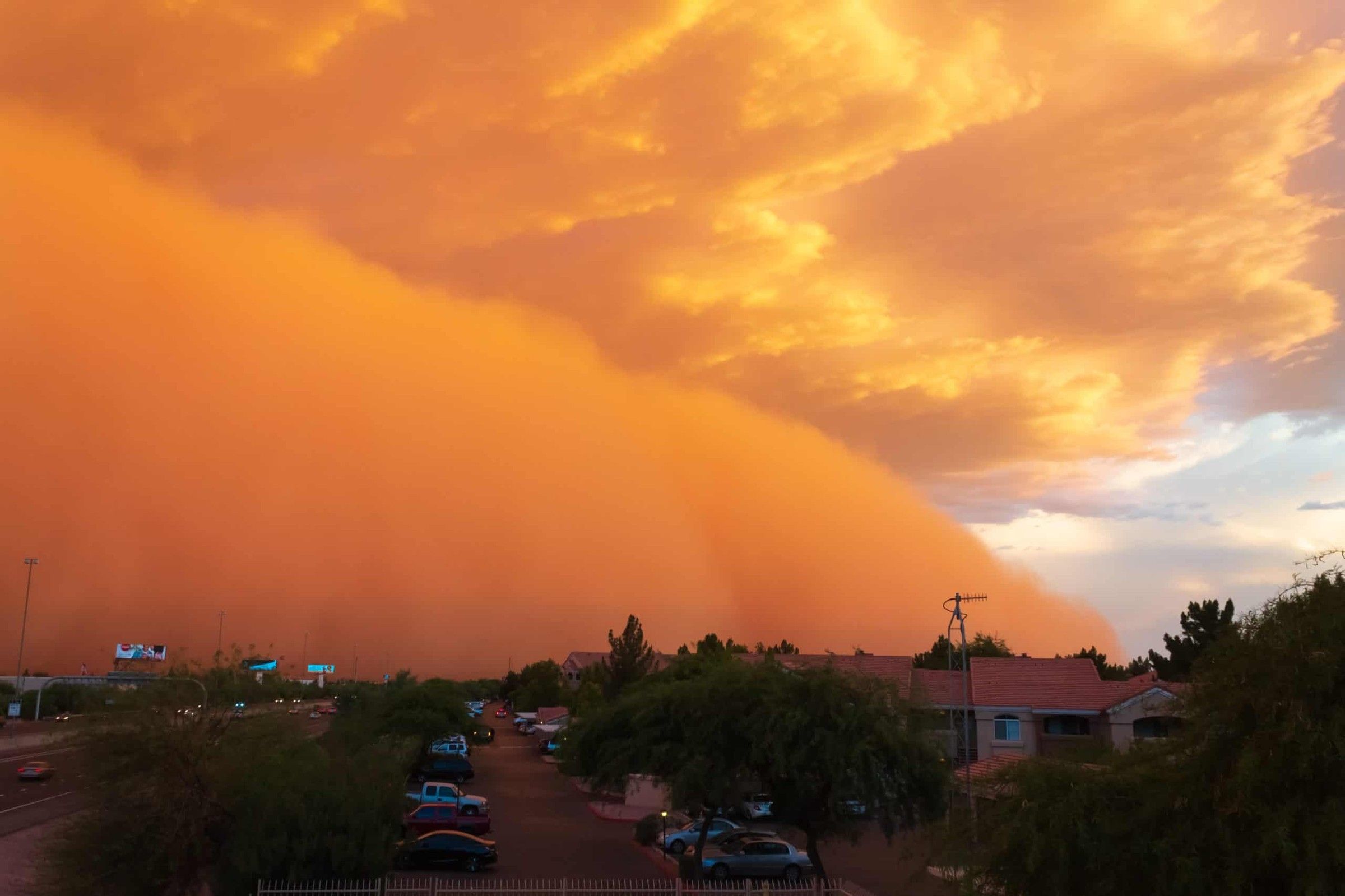
Monsoon storms hit roofs with three things at once: heavy rain, high winds and higher humidity. Rain that does not drain causes water damage and leaks. Wind loosens or rips off shingles and tiles, which leaves the roof exposed. Humidity speeds up mold and mildew, which can weaken the roof over time.
People in the Valley are used to dramatic weather shifts. Still, it helps to know exactly what the monsoon does to a roof, because each threat calls for a different fix. The National Weather Service defines the Phoenix monsoon as June 15 to September 30, and you can track the season on the NWS Phoenix monsoon page.
- Rain. A clogged gutter or blocked valley sends water where it does not belong. Water that sits on the roof finds every gap in the flashing.
- Wind. Gusts get under the edge of a loose tile or shingle and pry it up. Once one piece goes, the ones next to it are easier to lift.
- Humidity. Damp air and trapped moisture feed mold and mildew in attics and under roofing, where you cannot see it.
Knowing these threats is the first step in getting your roof ready.
Why should you prepare your roof before the storms start?
Preparing your roof before the monsoon saves money and prevents damage. A roof in good shape is far more likely to make it through the season without problems. Fixing small issues first keeps them from turning into major ones, because a small leak can become serious water damage in a single hard storm.
There are three good reasons to do the work early:
- It stops small problems from growing. A cracked tile in May is a quick fix. The same tile after three storms can mean wet decking and a stained ceiling.
- It costs less. Preventive maintenance is almost always cheaper than repairing or replacing a storm-damaged roof.
- It protects your family. A sound roof keeps everyone inside safe and comfortable through the worst weather of the year.
In short, getting your roof ready is an investment in your home’s life, your budget and your peace of mind.
What roof checks should you do before monsoon season?
Before the season starts, do five checks: clean your gutters, look for loose or damaged shingles and tiles, check the sealing around vents and skylights, trim overhanging branches and inspect your attic. Most of this can be done from the ground or inside the house. Hire a professional for anything you are not comfortable doing safely.
| Check | What to look for | Do it yourself or hire a pro |
|---|---|---|
| Gutters | Debris, damage, loose brackets | Yourself if a ladder feels safe, otherwise a pro |
| Shingles and tiles | Cracked, broken, missing or loose pieces | Look from the ground; a pro fixes them |
| Flashing and sealant | Gaps or wear at vents, chimneys and skylights | A pro, since it means roof access |
| Trees | Branches over or touching the roof | Yourself for small limbs, an arborist for large ones |
| Attic | Stains, damp or swollen insulation, daylight | Yourself |
Clean your gutters
Gutters carry rainwater off the roof and away from the house. Over time they fill with leaves, dirt and debris, and water backs up onto the roof. Before the season, remove the debris, check for damage or wear, and make sure the gutters are firmly attached to the house.
Check for loose or damaged shingles and tiles
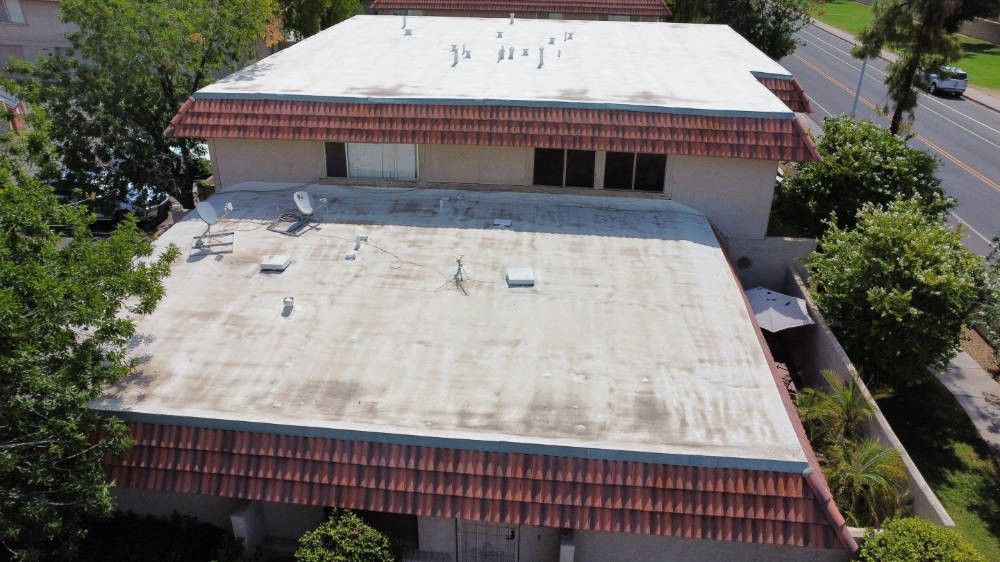
Look for shingles or tiles that are cracked, broken, missing or not properly secured. Repair or replace them as soon as possible. A gap in the roofing lets sun and rain reach the layers underneath, and those layers are not built for direct exposure.
Make sure everything is sealed
Vents, chimneys and skylights are common leak points. Check the flashing, which is the metal that covers the joint between the roof and each of these features, for damage or wear. Apply a suitable sealant if needed, or have a roofer do it.
Trim overhanging branches
Branches over your roof can break off and hit it in high winds. Trimming them also cuts down on the leaves and debris that end up in your gutters.
Look in your attic
Your attic often shows roof damage first. Look for water stains, dark spots or streaks, and damp or swollen insulation. If you can see daylight through the roof, there is a hole or crack. Deal with any of these right away.
When should you call a professional roofer before the monsoon?
Call a professional if you find damage, cannot safely check part of the roof, or have not had an inspection in the past year. A roofer has the training, equipment and experience to spot problems you would miss, and can make repairs on the spot. Repairs done before the storms often cost hundreds of dollars instead of thousands.
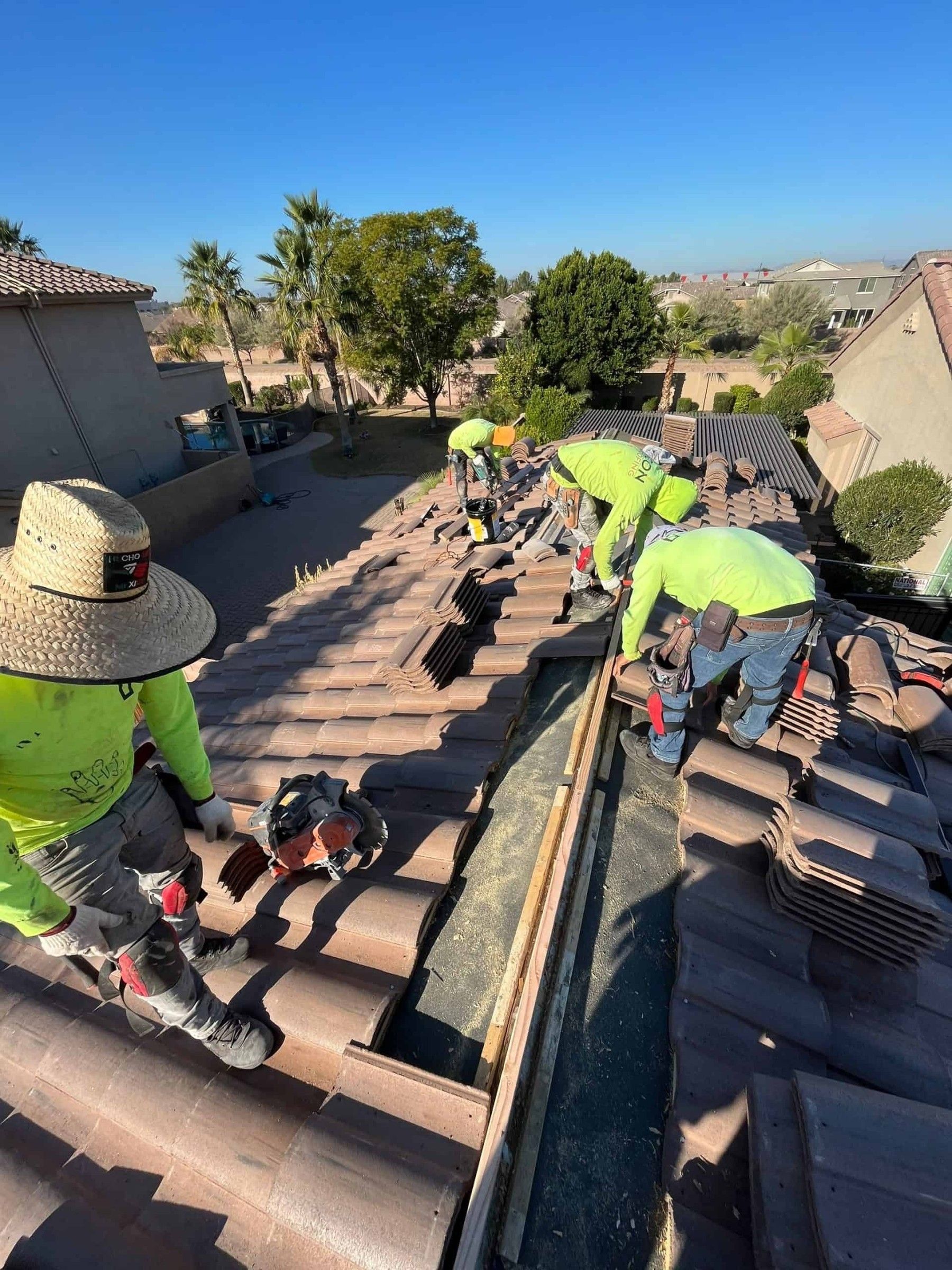
A professional inspection covers the parts of the roof you cannot reach safely, including flashing, valleys, ridge caps and the underlayment beneath broken tile. If repairs are needed, the roofer can handle them so the roof is in the best possible shape for the season. Our roof repair services cover tile, shingle, foam and metal roofs across the Valley.
What should you do if you find roof damage?
If you find damage, stay calm and act quickly. Assess how serious it is, document it with photos or video, call a roofing company for an inspection, and contact your insurance company if the damage is extensive. Finding a problem before or early in the season gives you a chance to fix it before it gets worse.
Assess the damage
A few loose shingles or a minor leak can usually be fixed fairly easily. Large leaks, structural problems or widespread wear may need bigger repairs or a full roof replacement. If hail or monsoon wind caused the damage, you may need to file an insurance claim.
Document the damage
Take photos or video of everything you can see. That record helps with insurance and helps your roofer understand the problem before arriving.
Call a professional
Contact a roofing company like Icon Roofing as soon as you can. We will inspect the roof, confirm how much damage there is and recommend the right fix, whether that is a simple repair or a full replacement. Our storm damage repair page explains how we handle wind and hail damage.
Call your insurance company
If the damage is extensive, report it to your homeowners insurance and ask what your policy covers. Be ready to share your photos and video. We can help you through the process. Our page on filing a roof damage insurance claim walks through the steps.
Finding damage is not a disaster. It is a chance to strengthen your home before the next storm.
What should you check right after a monsoon storm?
After a big storm, walk your yard and look for pieces of tile, shingle or flashing on the ground. Check your ceilings and attic for new stains or damp insulation. Clear any debris from gutters and downspouts once it is safe. Stay off the roof and call a roofer if anything looks wrong.
Storms often come back to back during the season, so a small problem from one storm can get worse in the next. A quick check after each one keeps you ahead of it. We work with homeowners across the East Valley, and our page on roofing in Mesa covers the neighborhoods closest to our office.
Icon Roofing can help you prepare for monsoon season and stays a resource through the storms. Call (480) 427-7600 or email office@iconaz.com. Our office is open Monday to Friday, 8:00am to 4:00pm.