
Understanding the Four Stages of Your Roof's Life
Every roof moves through the same four stages. Knowing which stage yours is in tells you what to do next, and how to stretch out the years before you need a new one.
Key takeaways
- Every roof goes through four stages: installation, regular inspections, repairs and, eventually, replacement.
- A good installation sets up the whole life of the roof, so choose an experienced, certified installer.
- Regular inspections and small repairs are what keep a roof in its long middle stage for as many years as possible.
- When water is getting in, time matters, so call a roofer right away instead of waiting for the next inspection.
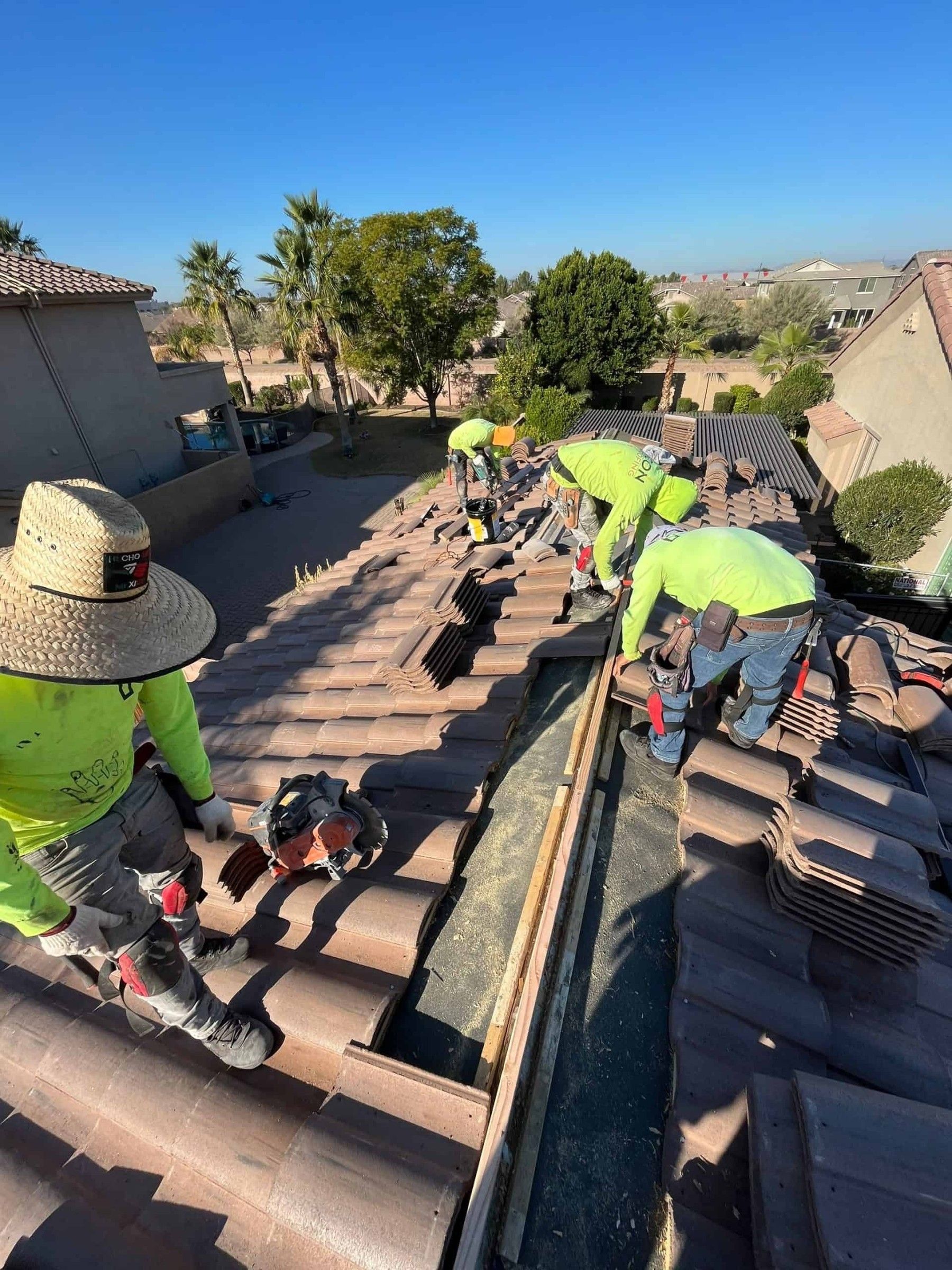
- On tile roofs, replacement often means new underlayment and battens with the original tiles relaid.
What is a roof’s life cycle?
A roof’s life cycle is the path every roof follows over its useful life: installation, regular inspections, repairs as needed and, eventually, replacement. No roof lasts forever. Knowing which stage your roof is in helps you plan ahead, care for it on time and keep your home a safe, dry place to live.
Your roof is the first line of defense against Arizona weather. Scorching summer sun, monsoon downpours and everything in between all take their toll. Here is how the four stages fit together:
| Stage | What is happening | What you should do |
|---|---|---|
| 1. Installation | New materials go on | Choose materials and an installer carefully |
| 2. Inspections | The roof is sound but aging | Book a professional inspection every year |
| 3. Repairs | Wear and storm damage appear | Fix problems quickly when they show up |
| 4. Replacement | Materials reach the end of their life | Plan and budget for a new roof |
The middle two stages last the longest, and they are where you have the most control. The rest of this guide walks through each stage and what it means for you.
Why does installation shape the rest of the roof’s life?
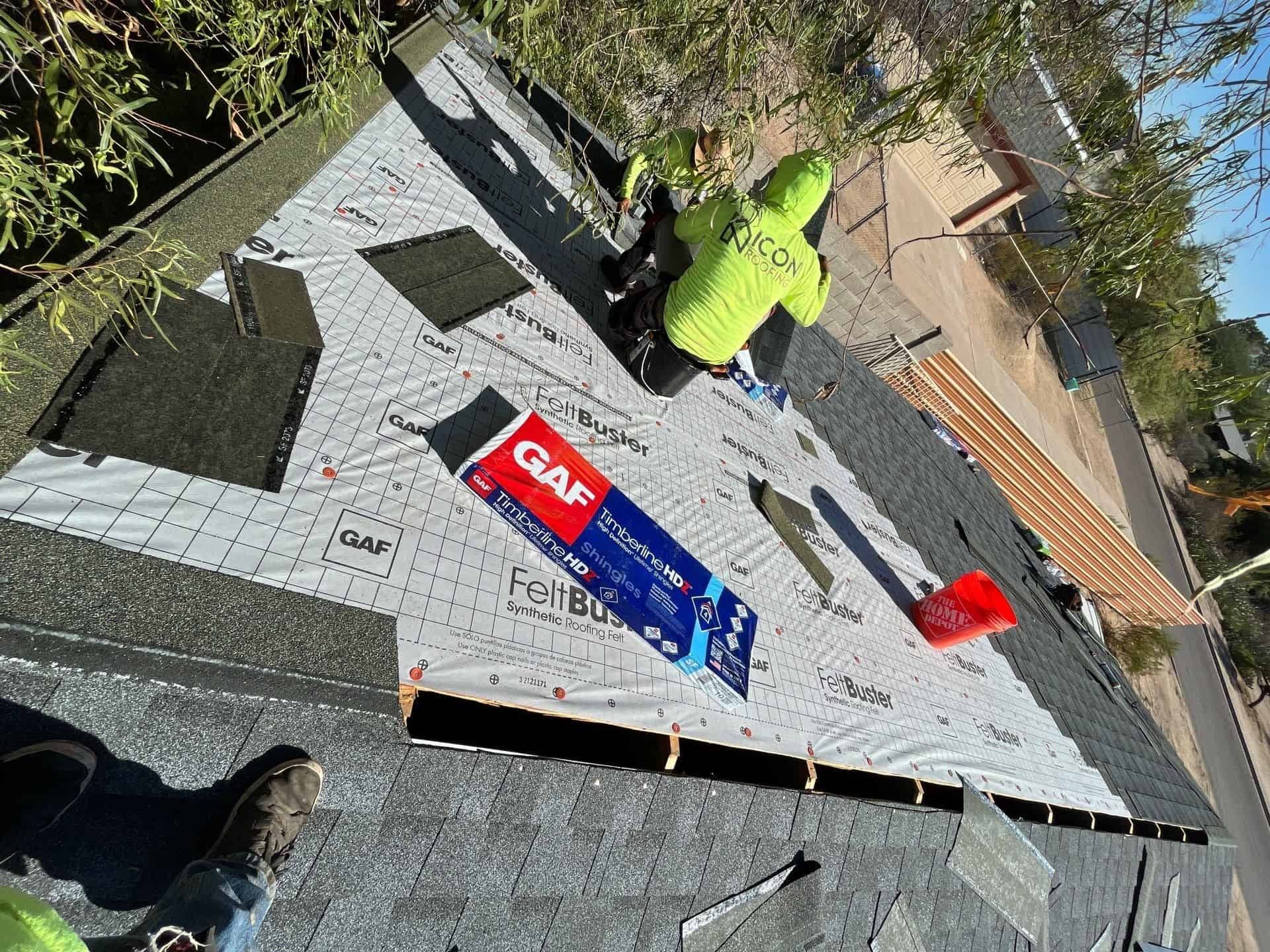
The life cycle starts the day the roof goes on, whether that is a new home or a replacement. A well-installed roof can handle harsh Phoenix weather for years, while a poor installation leads to early wear, leaks and costly repairs. Choosing the right material and the right installer matters as much as anything that comes after.
Each material has its own strengths:
- Asphalt shingles are popular for their low cost and durability.
- Tile gives a more premium look and feel, and it is the most common roof in many Valley neighborhoods.
- Metal is known for energy efficiency and a long life, though it costs more for both materials and installation.
Whatever you pick, proper installation is what lets it reach its full lifespan. A correctly installed roof stands up to the elements better and has fewer leaks and less damage over time.
Look for experienced installers with strong reviews and real manufacturer certifications. Icon Roofing is a GAF Master Elite roofing contractor, a status GAF says is held by roughly the top 2% of its contractors. You can read what homeowners say about us on our customer testimonials page.
What do regular inspections do during a roof’s middle years?
Once a roof is installed, regular professional inspections keep it healthy. A trained roofer checks the structure, the materials and the overall condition, looking for wear, damage and weak spots. You can spot obvious damage yourself, but a professional catches the problems that are not clear to an untrained eye.
Skipping this stage is the most common reason roofs fail early. Here is what yearly inspections give you:
- Early detection. Catching a problem early turns a potential water damage disaster into a minor repair.
- Cost savings. Small fixes cost far less than the large, reactive repairs that come from waiting.
- Experience on your side. A roofer who inspects roofs every week knows when a small issue is about to become a big one and when it can safely wait. Even a homeowner with some DIY knowledge will not have that judgment.
- A longer roof life. Inspections plus small repairs, done a little at a time, keep a roof going much longer than leaving it alone for years.
To see what a full inspection includes, read about our residential roof inspections.
When does a roof need repairs, and why act fast?
Even with regular inspections, every roof needs repairs at some point. A stretch of extreme heat or a single monsoon storm can cause damage that needs attention right away. Common repairs include leaks, damaged or missing shingles and tiles, and storm damage. When water is getting in, call a roofer immediately.
Leaks are the biggest concern. They damage your home’s interior and can weaken the roof structure. Missing or damaged shingles leave the roof exposed, and storm damage can cause major destruction quickly.
A typical repair visit goes like this:
- The roofer finds the source of the problem, which is not always right above the stain.
- Damaged materials are removed.
- New materials go in to match the rest of the roof.
- If needed, extra work restores the roof’s structure, such as replacing a soft section of decking.
There is no set number of repairs a roof will need. It could be once between yearly inspections or several years in a row after heavy storms. What matters is that prompt repairs relieve stress on the roof and prevent much bigger problems. Putting them off shortens the roof’s life.
How do you know a roof has reached the replacement stage?
A roof reaches the replacement stage when its materials pass their useful life and stop protecting the home well. Timing depends on the material. Shingle roofs reach this point sooner than tile or metal. Repeat leaks, widespread wear and damaged underlayment are the usual signs that repairs are no longer enough.
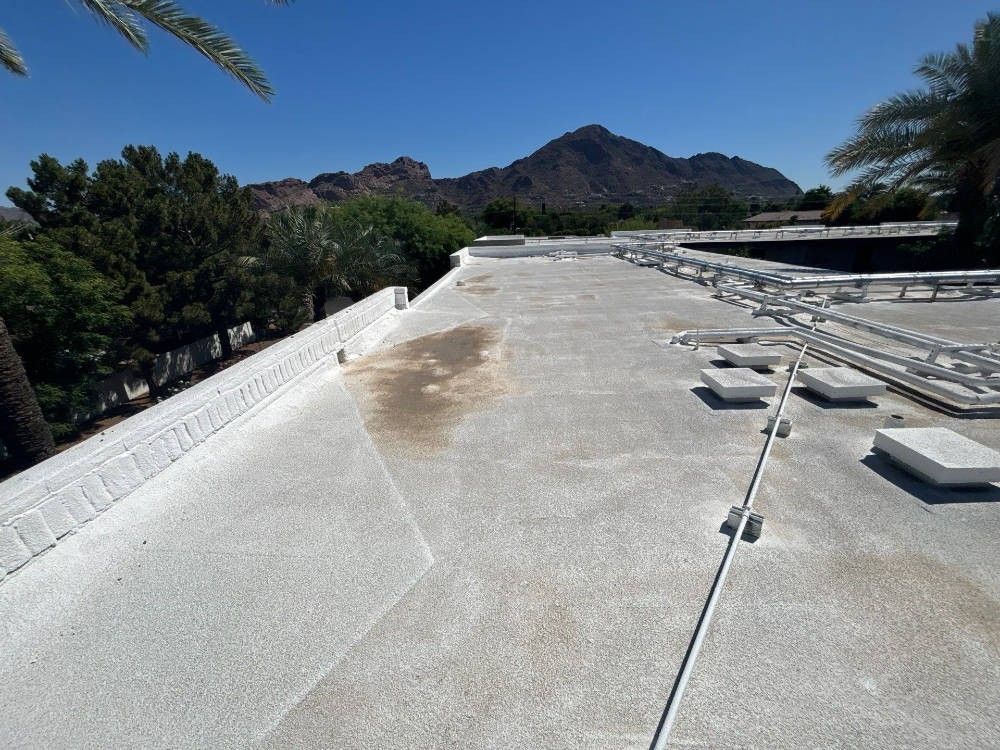
As a general guide, asphalt shingles reach this stage at around two decades. Clay tiles last far longer, but the underlayment beneath them typically needs replacing within 30 years. Metal can go past 40 years. Flat roofing systems are different: they usually need a fresh protective layer about every five years, which keeps them going between full replacements. For a full breakdown by material, see our guide to roof lifespans by material.
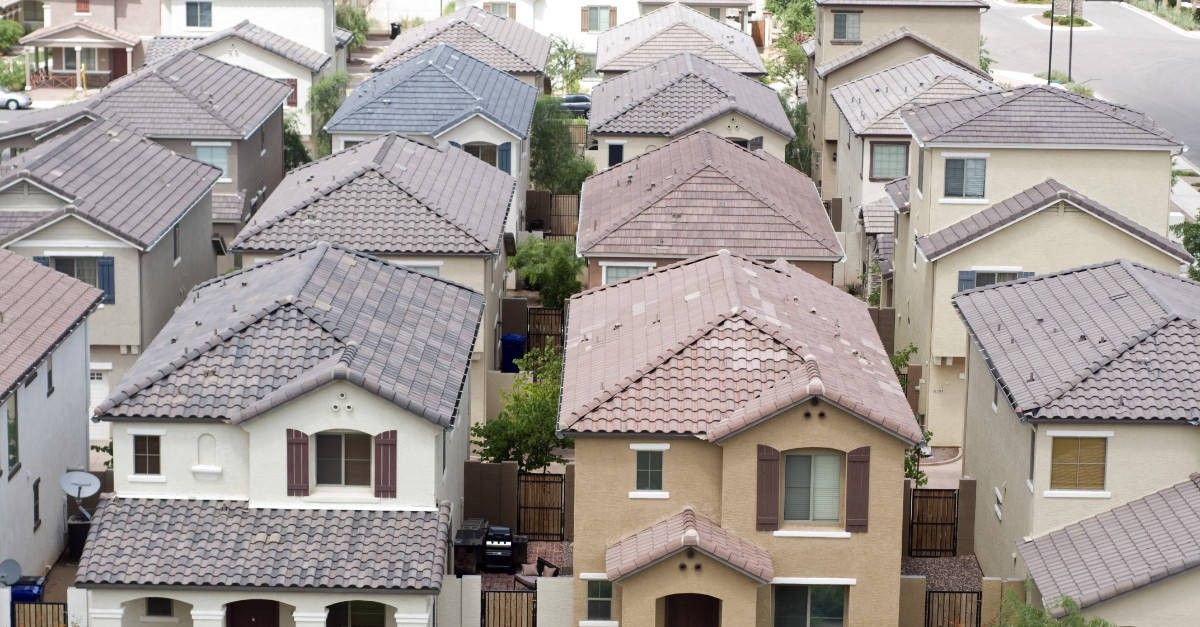
In Ahwatukee, where most homes have tile with some shingle and foam mixed in, all three timelines can show up on the same street. Our page on roofing in Ahwatukee covers what we see most there.
What happens during a roof replacement?
A roof replacement removes the old roofing, checks and repairs what is underneath, and installs new materials. The details depend on the roof type. On many tile roofs, the original tiles go back on after new underlayment and battens are installed. On shingle roofs, the crew usually replaces every shingle with new ones.
The general process looks like this:
- Remove the old roofing. Shingles, tiles, shakes or other materials come off to expose the underlayment and battens.
- Inspect the structure underneath. The crew checks everything below. Damaged underlayment and battens are replaced, and in serious cases, decking that has been damaged or exposed to moisture is repaired or replaced.
- Install the new roof. New roofing goes on and ties into the flashing, which may also be new depending on its condition.
Cost depends on the materials and whether you are doing a like-for-like swap or switching to a different roof system. A multi-family roof replacement also comes with special considerations that a single-family home does not.
How can you get more years out of your roof?
Stay on top of maintenance at every stage. Choose a quality installation, book an inspection every year, make repairs as soon as problems appear, and plan for replacement before the roof fails. That approach protects your property value and keeps you ahead of expensive surprises, whether you own a home or manage a commercial building.
Icon Roofing offers roof installation, inspections, repairs and replacements for homeowners and businesses across Metro Phoenix. See our full list of residential roofing services. If you have questions about your roof or want to schedule an inspection, call (480) 427-7600 or email office@iconaz.com, Monday to Friday, 8:00am to 4:00pm.