
How Long Each Type of Roof Lasts in the Arizona Climate
Most roofing materials last 15 to 25 years, but Arizona heat shortens some and others last far longer. Here is how each material holds up.
Key takeaways
- The average roofing material lasts 15 to 25 years, but type, installation quality and maintenance change that number a lot.
- Tile itself lasts for decades, but the underlayment beneath it is the real waterproofing and typically needs replacing around the 20-year mark.
- Asphalt shingles in the Phoenix area usually last around 20 years before heat dries them out or storms blow them off.
- A foam roof can last almost indefinitely if you recoat it about every five years.
- Every roof type lasts longer with a yearly inspection and service based on what that inspection turns up.
How long does a roof last in Arizona?
The average roofing material lasts 15 to 25 years, but that is only an average. How long your roof lasts depends on the material, the quality of the installation and how well the roof is maintained. A well-kept roof lasts much longer than a neglected one, and in Arizona, heat and UV shorten every number.
Your roof keeps your home cool in summer and warm in winter, shields it from monsoon storms and shapes how the house looks from the street. Knowing how long it should last helps you decide whether to repair or replace, and helps you size up a home you are thinking of buying.
The most common roof systems in Arizona are concrete tile, clay tile, asphalt shingles, foam flat roofs, rolled flat roofs, cedar shake and metal.
| Roof type | Typical lifespan | Main upkeep |
|---|---|---|
| Concrete tile | Tiles last decades; underlayment typically about 20 years | Yearly inspection and service |
| Clay tile | Similar to concrete; underlayment often lasts longer | Frequent repairs for broken tiles |
| Asphalt shingle | Around 20 years in the Valley | Reseal penetrations every few years |
| Foam flat roof | Can last indefinitely with upkeep | Recoat about every 5 years |
| Rolled flat roof | 15 to 20 years | Penetrations, drains and debris |
| Cedar shake | About 30 years | Wood oil treatments |
| Metal | 40 years or more | Touch-ups at penetrations and walls |
How long does a tile roof last?
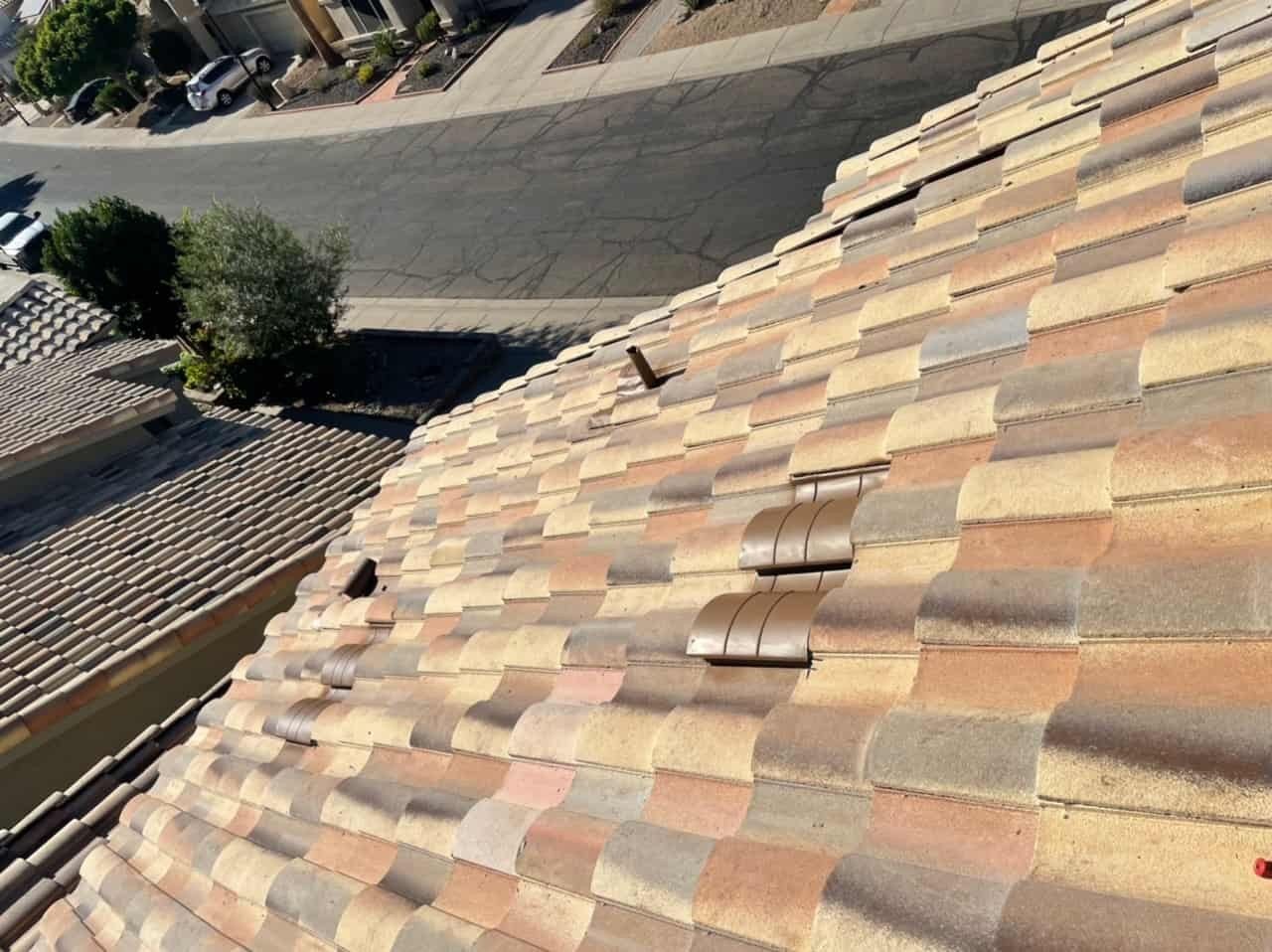
A tile roof system typically lasts 20 to 30 years before it needs major work, and the tiles themselves last multiple decades. The weak point is the underlayment, often called felt or paper, which usually needs replacing around the 20-year mark. The underlayment is what actually keeps water out, not the tile.
Here is how it works. Tiles act as a sunblock for the underlayment, shielding it from sun and rain. But tiles are not waterproof. Water gets underneath them and runs across the underlayment, which is the main waterproofing layer. The tiles rest on thin wood strips called battens. Many tiles are nailed into the battens, but not all of them.
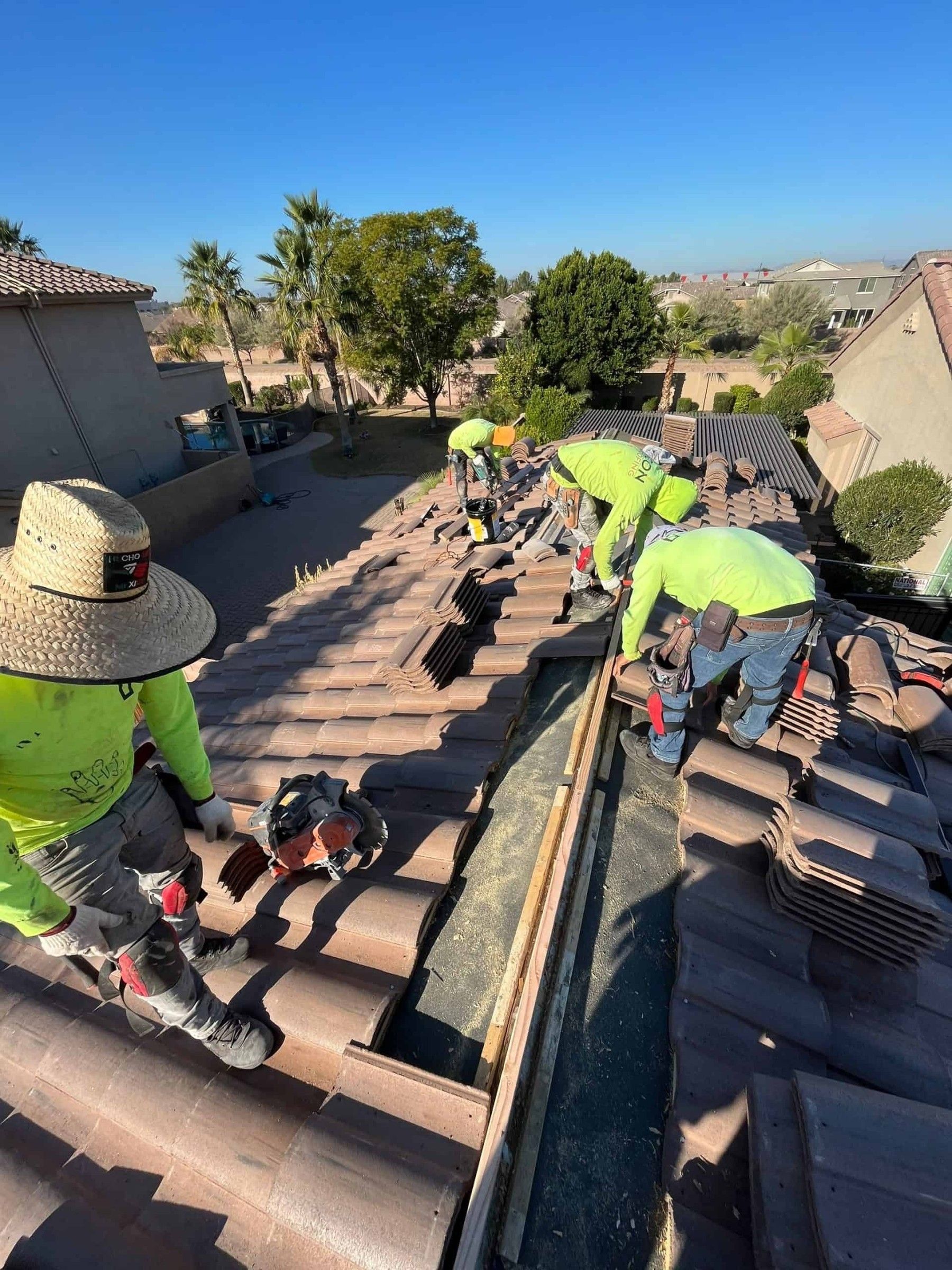
When most Arizona homeowners “replace” a tile roof, they reuse the existing tiles. It costs much less, and the tiles should have a long life ahead of them after the first underlayment replacement, which roofers call a re-felt. Tile costs more to install than many roof types, but that long life and the option to reuse the tile appeal to a lot of people here.
Concrete tile
Concrete tile is the most common roof in Arizona. It acts as a thermal barrier between the sun and the attic. Most roof types have no insulation or thermal break between the roofing and the attic, but concrete tile does. It is the heaviest roof system, but the trusses in most homes are engineered for it, especially when the building plans called for tile. Walked on correctly, most concrete tile does not break. It still needs a roofer to inspect it every year and service it as needed.
Clay tile
Many Arizona homes have clay tile instead. The most common styles are 2-piece, 1-piece and Mexican Sandcast. Clay gives a similar thermal break, but it is brittle and breaks more easily, so it needs maintenance more often. Clay roofs have a similar life expectancy to concrete, but the underlayment usually lasts longer. Most concrete tile underlayment is 30 lb or 40 lb felt, while clay tile underlayment is usually heavier than 55 lb or double layered.
How long do asphalt shingles last in the Valley?
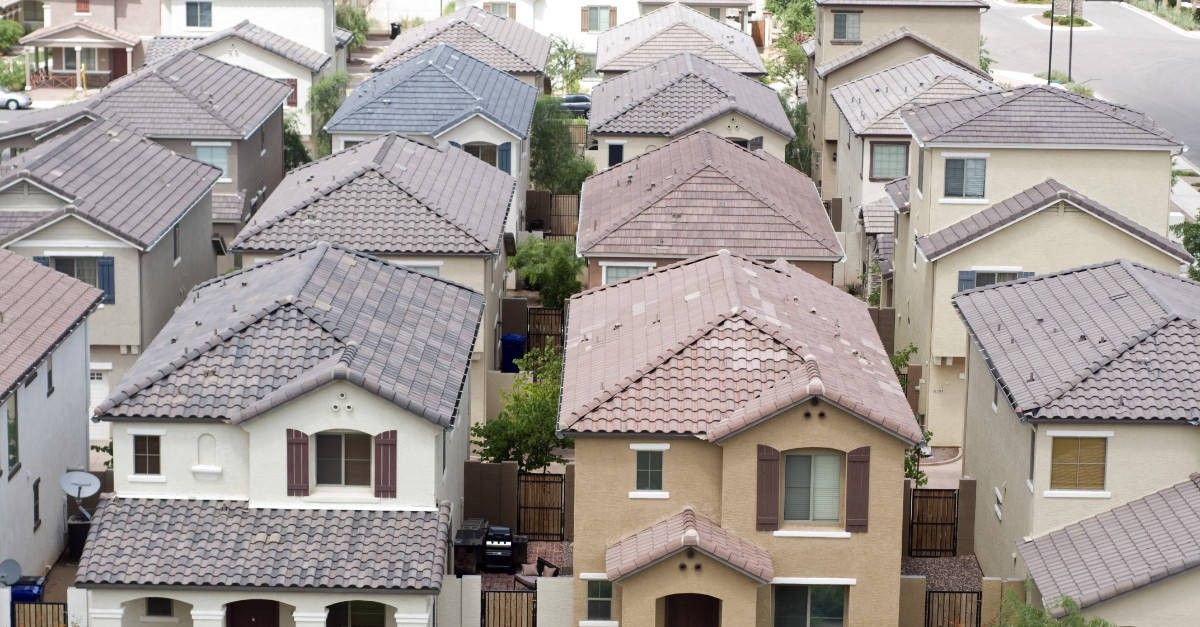
Asphalt shingles in the Phoenix metro area last around 20 years before they dry out or become easy for monsoon wind and hail to tear off. Thicker, higher-grade shingles last longer and cost a little more. Shingles are the second most popular roof in Arizona because they cost less than tile, weigh less and go on quickly.
There are many shingle makers and colors to choose from, which homeowners like. The trade-off is that wind, hail and heavy rain damage shingles more easily than tile.
Shingle roofs need very little upkeep. Every few years, the seals around these areas should be checked and redone:
- A/C units
- Plumbing pipes, dryer vents, range hood vents and bathroom vents
- Skylights and chimneys
- Walls where the roof meets the house
That work is usually simple and inexpensive. Many newer subdivisions in the Southeast Valley went up with shingle roofs, and our page on roofing in Queen Creek covers what we see on those homes.
How long does a foam roof last?
A foam flat roof can last almost indefinitely as long as you keep up with the coating. The foam is a closed-cell layer, typically about one inch of sprayed polyurethane, with a white elastomeric coating on top that keeps UV from burning the foam. The coating generally lasts about five years before it needs a new coat.
Each recoat comes with a warranty from the coating manufacturer. Foam roofs are growing in popularity in Arizona because of their insulation value and thermal break, which homeowners love.
The downside is that foam is more easily damaged by storms, birds, bees and foot traffic. A foam roof needs routine maintenance to catch small punctures before water gets into the foam.
How long do flat rolled roofs last?
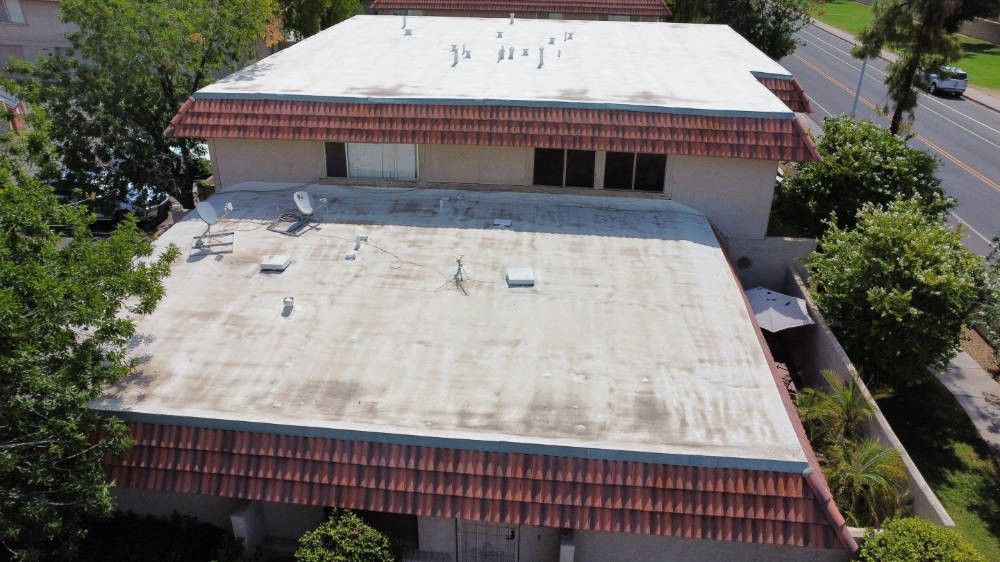
Rolled flat roofs typically last 15 to 20 years, depending on the quality of the material and the installation. They are common on commercial buildings, residential flat roofs and patio roofs. Rolled roofing is durable, usually cost-effective and safe to walk on, and it needs little maintenance beyond a few key spots.
Upkeep focuses on the roof penetrations and the drains and scuppers. Debris collects on flat roofs from time to time and should be cleared as part of regular maintenance, because it blocks drainage and holds water against the membrane.
How long do cedar shake roofs last?
Most cedar shake roofs last about 30 years, depending on maintenance and foot traffic. Shakes are a golden color when installed and turn browner over time. Treating them with a wood oil helps preserve them and extend their life. They are beautiful roofs with a high price tag, usually found on higher-end homes.
Cedar shake is fairly low maintenance. Because it is wood, its fire rating is low, and insurance premiums are often a little higher than for other roof types. Homeowners who choose it are paying for its look and its durability.
How long does a metal roof last?
A metal roof can last more than 40 years, depending on the type and condition of the metal. Metal costs more than most other roof types, but it is very durable and needs little maintenance. The panels fade over time, but they hold up for a very long time, which is one of the main reasons people choose metal.
Upkeep is limited to touching up the seals around roof penetrations and walls every several years. That low maintenance is a big draw for homeowners and building owners alike.
What makes a roof last longer?
Good installation, steady maintenance and a yearly inspection make the biggest difference. We recommend inspecting every roof once a year and servicing it based on what that inspection finds. Small fixes, like resealing a vent or replacing a cracked tile, keep water out of the parts of the roof that cost the most to replace.
Knowing the age and type of your roof also helps when you buy a property. You will know how soon you may need to replace it and how to care for it in the meantime. For a stage-by-stage look at what to expect from installation through replacement, read our guide to your roof’s life cycle. When it is time for a new roof, our roof replacement team can walk you through your options. Call (480) 427-7600, Monday to Friday, 8:00am to 4:00pm.