
Tile or Shingles? How the Two Roof Types Compare in Arizona
Tile lasts longer and handles heat better. Shingles cost less and go on faster. Here is how the two most common Arizona roof types compare, so you can pick the right one.
Key takeaways
- Tile lasts far longer than shingles, but the underlayment beneath the tile still needs replacing on a schedule.
- Shingles cost less and install faster, and they typically last 20 to 30 years.
- Tile keeps attics cooler than shingles, which can lower summer cooling bills in Central Arizona.
- Tile is heavy and can break underfoot, so older homes may need structural work before switching to tile.
- Budget, style, climate and your home's structure should drive the choice, not one feature alone.
Should you choose tile or shingles for an Arizona home?
Choose tile if you want the longest-lasting roof, better heat control and strong storm resistance, and your home can carry the weight. Choose shingles if budget matters most and you want a lighter roof that installs quickly. Both are common across Arizona. Your budget, style, climate and personal preferences should decide it.
Tile and shingle roofs dominate home roofing in Arizona and much of the country. Here is how they compare at a glance:
| Factor | Tile roof | Shingle roof |
|---|---|---|
| Lifespan | Tiles can last 100 years or more; underlayment typically needs replacing around 20 years | Typically 20 to 30 years |
| Upfront cost | Higher | Lower |
| Install time | Longer, needs tile experience | Faster, most roofers install shingles |
| Heat control | Natural insulation and a thermal break | Less insulation, hotter attic |
| Monsoon wind, hail and rain | Strong resistance | More prone to damage and leaks |
| Weight | Heavy, may need structural support | Light |
| Walkability | Tiles can break underfoot | Easy to walk |
| Fire resistance | High | Varies by product |
Mesa and Chandler both have a mix of tile and shingle homes, often on the same street. If you are deciding for a house there, our page on roofing for Chandler homeowners covers what we see in those neighborhoods.
What is a tile roof made of?
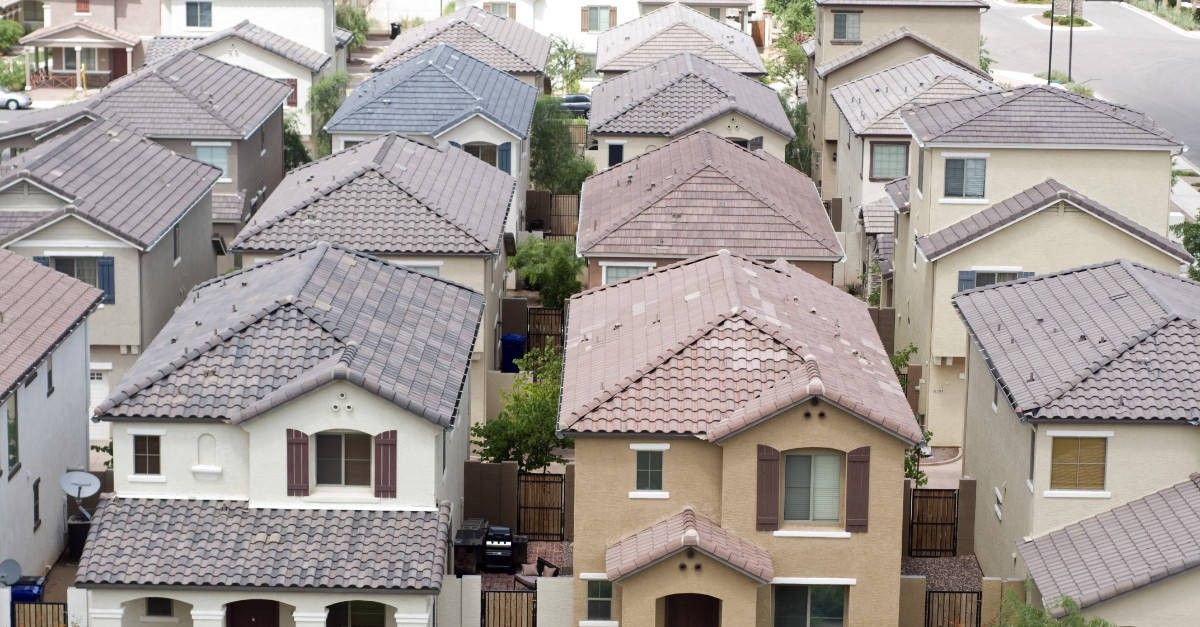
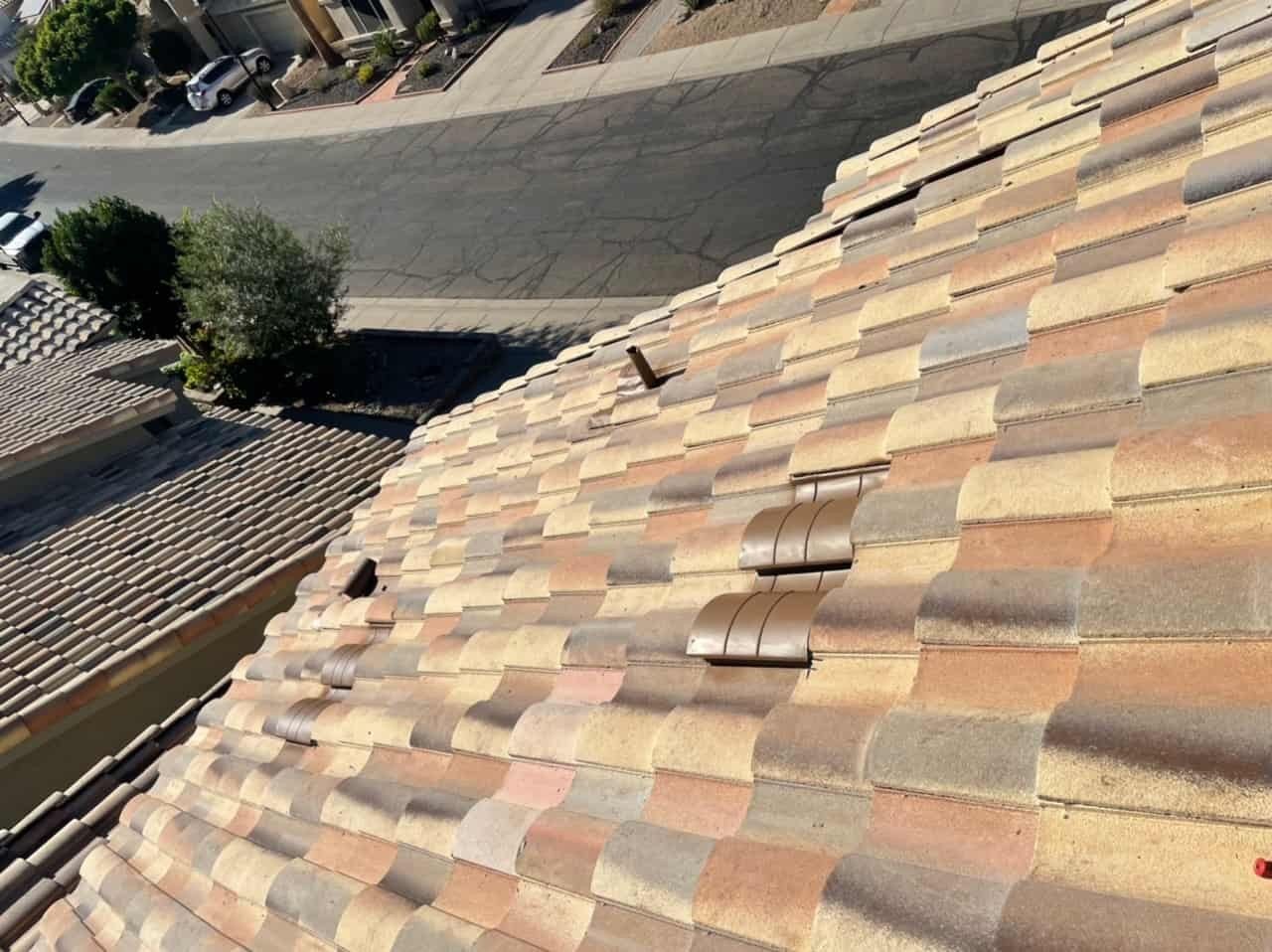
A tile roof is made of clay, ceramic, concrete or slate tiles laid in overlapping rows. Clay includes the familiar terracotta. The tiles sit on battens over the underlayment, and many are nailed in place. Tiles can be coated for extra protection against UV, hail and wind. Tile costs more upfront but can last a lifetime with care.
Tiles come in many colors, sizes and styles to match different kinds of architecture. Like shingle roofs, a tile roof is built in layers. The tile on top shields the layers below from the sun and from direct rain. The underlayment beneath does the actual waterproofing, which is why it is usually the first part of a tile roof to fail in Arizona.
What are the pros of a tile roof?
Tile’s biggest strengths are lifespan, storm resistance and heat control. With good installation and upkeep, tiles can last 100 years or more. They handle severe rain, strong wind and hail, resist fire, and keep homes cooler in summer. Tile also resists rot, insects and mold, and it adds curb appeal.
- Durability. Tile stands up to Arizona’s monsoon season, including severe winds, hail and heavy rain. Its fire resistance is a plus in wildfire-prone areas.
- Energy efficiency. Tile’s natural insulation cuts how much heat the roof absorbs. That is a real benefit in Central Arizona, and upgrading from shingles can lower your cooling bills.
- Low upkeep. Tile resists rot, warping and corrosion, and it does not attract insects.
- Looks. The range of colors, shapes and styles lets you match almost any home or create a custom design.
- Environmental benefits. Clay and concrete tiles can be recycled, which keeps waste out of landfills.
- Resale value. Buyers like tile for its durability, low maintenance and energy savings. Knowing the roof will not need replacing soon is a selling point.
What are the downsides of a tile roof?
Tile costs more, weighs more and breaks more easily underfoot than shingles. It needs a contractor with tile experience, it is not suited to every roof pitch, and its color can fade in strong sun. The tiles last, but the underlayment beneath them still needs periodic replacement, which is part of the long-term cost.
- Cost. Tile costs more than asphalt shingles. It takes specific knowledge, tools and structural support, which raises installation cost.
- Weight. Not every home can carry tile. Older homes may need reinforcing first. Weight can also be a concern in an earthquake, though those are rare here.
- Fragility. Heavy objects can crack or chip tile, and stepping on it the wrong way breaks tiles. Leave roof walking to a professional.
- Maintenance. Tile needs less upkeep than many roofs, but cleaning keeps dirt and moss from building up. Replace broken tiles right away to avoid leaks and water damage.
- Limited fit. Tile is not right for every building. It is not recommended on very steep slopes or very low pitches, where it can be unstable in strong gusts. Not every roofer has real tile experience, which can limit your options or cause problems later.
- Fading. Sun and weather can dull tile over time. Fading does not affect durability, but it changes how the home looks.
What is a shingle roof made of?
A shingle roof is made of overlapping pieces that shed water down a pitched roof. Shingles can be made from asphalt, ceramic, concrete, metal, plastic, rubber, stone or wood, but asphalt is the most common in Arizona. Shingles have several layers for weatherproofing and a protective coating against UV, hail and wind.
Shingle roofs are affordable and quick to install, which makes them popular with homeowners who want a sound roof without the cost of tile. Architectural shingles are thicker and more dimensional than basic three-tab shingles and usually last longer in the heat.
What are the pros of a shingle roof?
Shingles cost less than tile, slate or metal, install quickly and come in many colors and styles. Depending on the product and installation, a shingle roof usually goes 20 to 30 years between replacements. Shingles handle wind, rain and hail reasonably well and need very little maintenance.
- Affordability. Shingles are a good fit for budget-conscious owners.
- Easy install. Most roofing companies know shingles well and can install them quickly, which saves on labor.
- Versatility. Many colors and styles suit many kinds of homes. Shingles also come in wood, metal and slate.
- Durability. Shingles can take heavy wind, rain and hail, and they hold up in haboob country. Tile still does better in extreme weather.
- Low maintenance. Shingles do not attract insects, and they do not need sealing or painting like some materials.
What are the downsides of a shingle roof?
Shingles have a shorter life than tile or metal, are more likely to leak after severe wind, hail and heavy rain, and keep homes warmer in summer. Over time they can loosen, fade and lose granules. Because asphalt shingles are petroleum-based and end up in landfills, they also have a larger environmental footprint.
- Lifespan. Two to three decades, depending on installation and product. You may face more replacements and repairs over the life of the home.
- Storm damage. Shingles are durable, but severe wind, hail and heavy rain damage them more often than tile.
- Energy efficiency. Even with reflective coatings, shingles keep less heat out than tile or metal. Switching from tile to shingles can raise summer bills.
- Maintenance. Shingles can loosen and leak over time. Regular inspections catch this early and save on repairs.
- Looks. Sun and weather can fade shingles and wear off granules.
- Environmental impact. Asphalt shingles are made from non-renewable petroleum, and tear-offs add to landfill waste.
How do you decide between tile and shingles?
Start with your budget, your home’s structure and how long you plan to stay. Then factor in your HOA’s rules, the look you want and how much summer heat matters to you. A roofer can check whether your framing can carry tile and price both options so you can compare them side by side.
Many HOAs in the Valley require approval of roof color and material, so check before you commit. If tile is the better roof for your home but the upfront cost is a concern, you can prequalify for roof financing through Wisetack before you decide. For a broader look at how other materials hold up, see our guide to how long each roof type lasts.
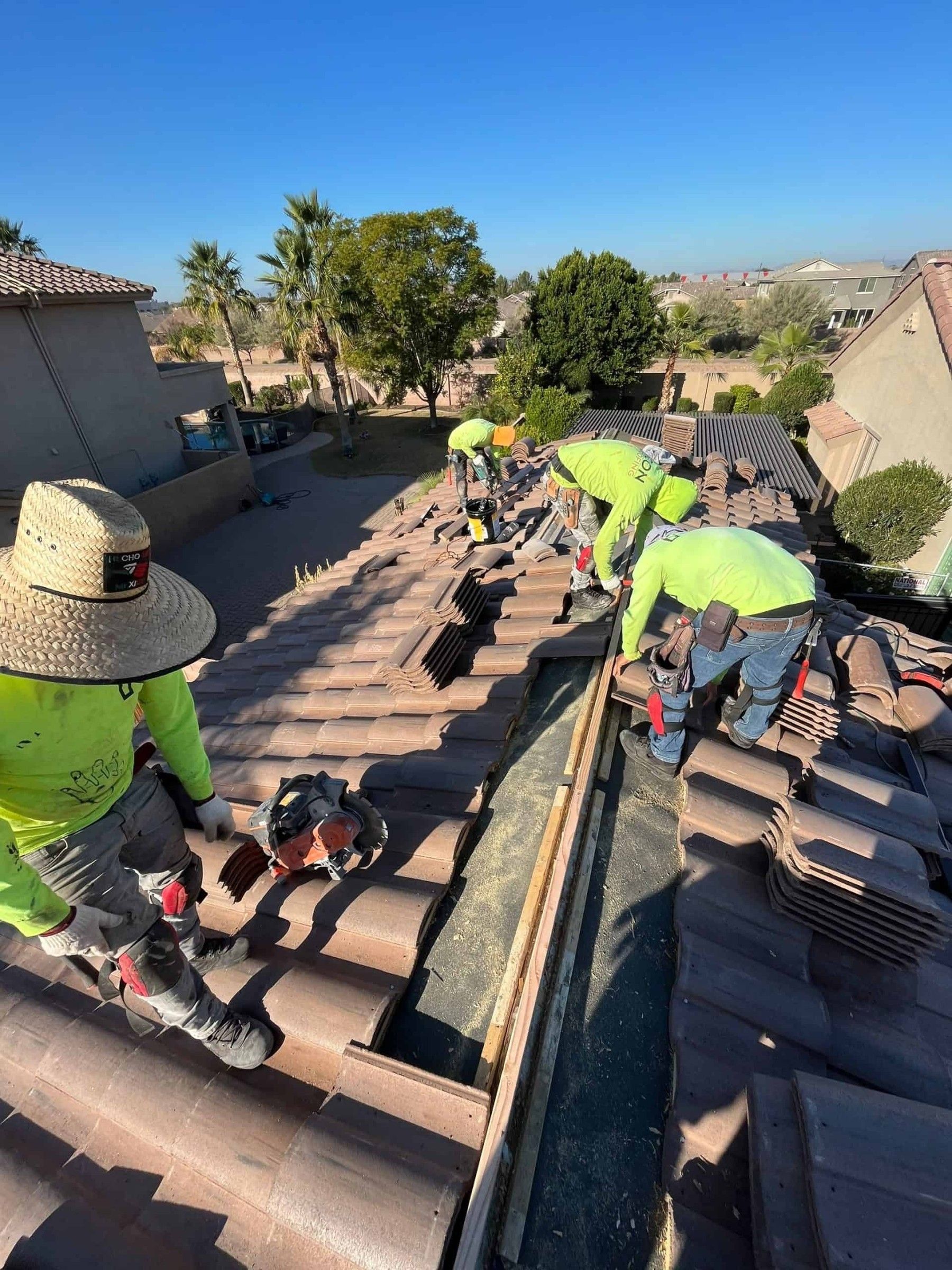
When you are ready, contact Icon Roofing for a free consultation and estimate. We install and replace both systems. See how we handle tile roof replacement and re-felts and full shingle roof replacement, or start with an overview of our roof replacement process. Request a quote or call (480) 427-7600, Monday to Friday, 8:00am to 4:00pm.