
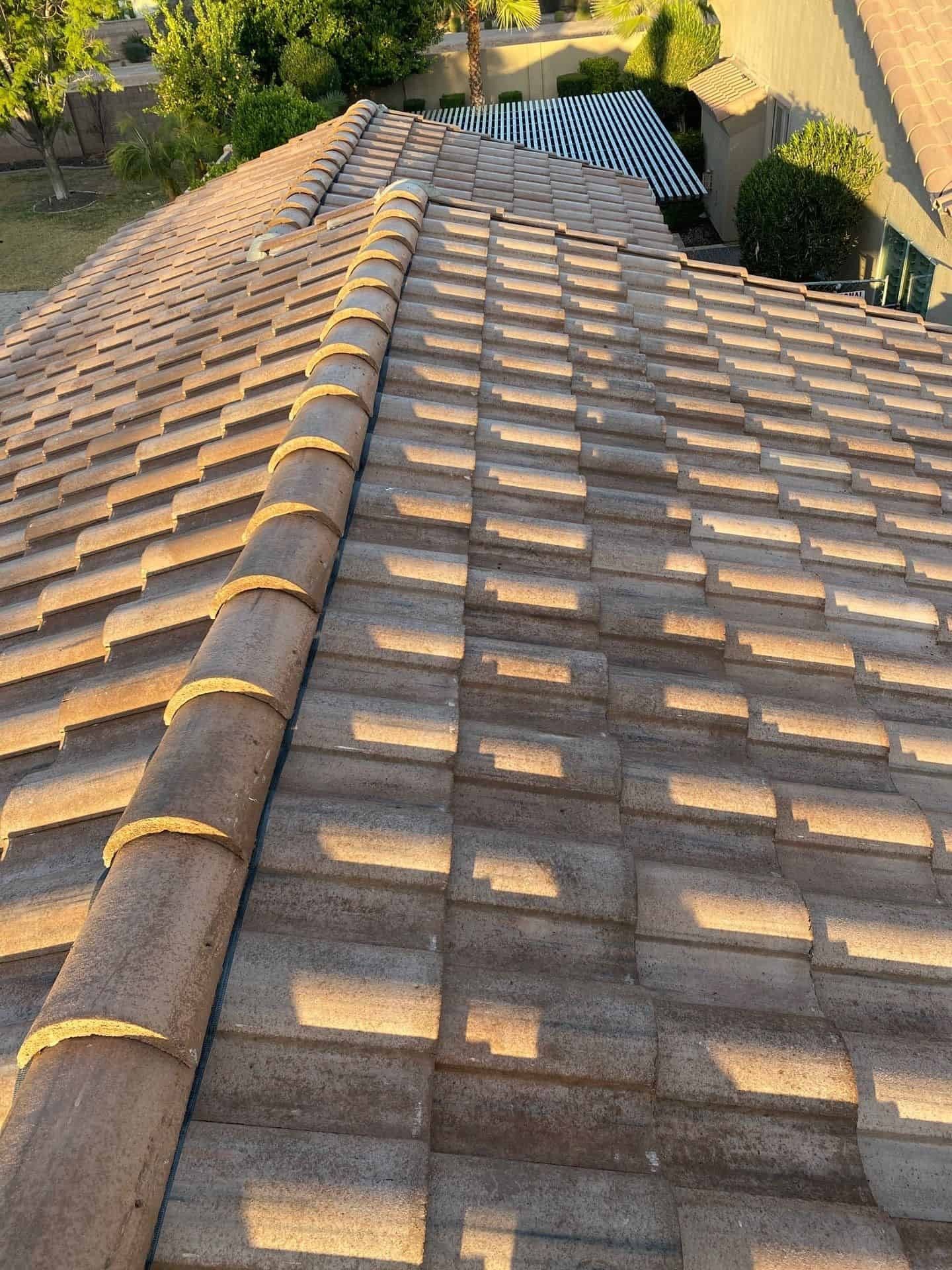
Should one townhome owner replace their roof alone, or should the whole building go together?
Replacing the whole building together usually gives the cleanest result, because the roof line stays uniform and party wall joints get rebuilt on both sides at once. Replacing one unit alone works too, especially when neighbors’ roofs are newer or sound. The choice depends on condition, budget, your neighbors’ plans and your HOA’s rules.
| Approach | Advantages | Things to plan for |
|---|---|---|
| One unit at a time | You control timing and cost for your own home | Tie-ins at party walls, possible color difference while neighbors’ roofs age |
| Whole building together | One look, one schedule, joints built new on both sides | Neighbors must agree, and costs must be split by your documents |
| HOA-led replacement | The association handles approvals, scheduling and payment | Follows the association’s reserve and phasing plan |
Check your CC&Rs to see who owns and maintains each roof section. Our townhome, condo and HOA roofing overview explains how townhome work fits with our condo and HOA services.
How do you tie a new townhome roof into a neighbor’s older roof?
We tie a new roof into an older neighboring roof by carrying new underlayment and flashing past the party wall or shared ridge, then lapping it under the neighbor’s edge so water flows away from both homes. The neighbor’s roofing is lifted as little as possible and reset over the new flashing.
This joint is where most townhome leaks start, so it gets the most care on any single-unit reroof. When the neighbor’s roof is close to failing, we tell both owners. Sometimes it makes sense for the neighbor to reroof at the same time, sharing the setup and finishing the joint once.
How do townhome owners split the cost of a shared reroof?
Townhome owners split the cost of a shared reroof according to their CC&Rs or a written agreement between neighbors. Some communities assign each owner the roof over their unit. Others make the HOA responsible for all roofs. When owners share a building but pay separately, we can break the proposal down by unit so each owner sees their part.
A per-unit breakdown also helps when one owner needs more deck repair than another. Hidden rot is only found after tear-off, so we photograph it unit by unit and price it against the right section. Owners can then settle their shares with clear photos in hand instead of debating whose deck was in worse shape. If your HOA requires a single contract for a shared building, we can still list each unit’s portion inside that one agreement.
What signs mean a townhome roof needs replacement?
A townhome roof needs replacement when leaks keep returning after repairs, when the underlayment beneath tile has failed across large areas, when shingles are curling, cracking or losing granules over most of the roof, or when the deck is soft. Outdated materials and frequent monsoon damage are also strong reasons to reroof.
Some communities choose to reroof when they are already planning exterior painting or other renovation, since the work and the HOA approvals line up. For a closer look at the warning signs, read our post on the life cycle of a roof. When only a small area is failing, a repair on connected townhomes may be enough.
Which materials suit townhome reroofs in the Valley?
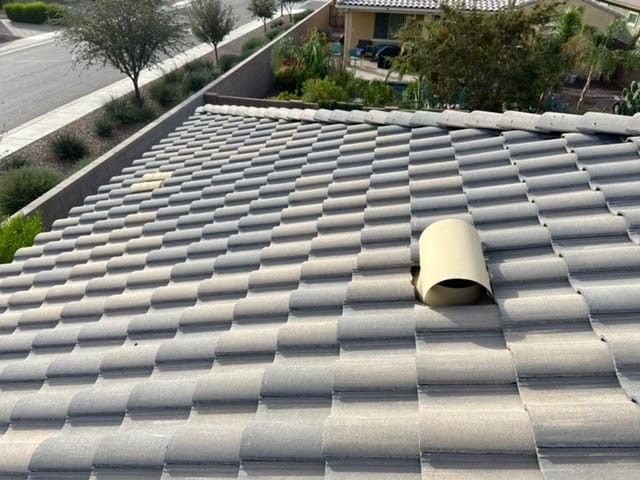
Concrete and clay tile, asphalt shingle and spray foam all suit townhome reroofs in the Valley. Most communities keep the material the homes were built with, because HOA rules and the look of the row favor it. The real choice is usually the underlayment and the product line, not the roof type.
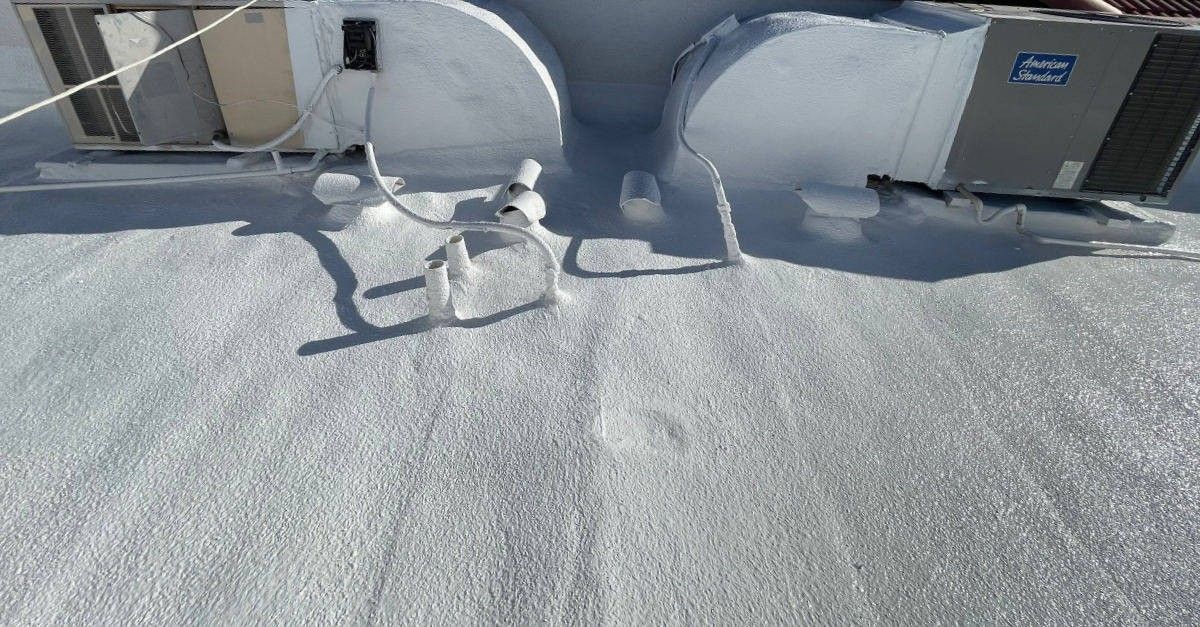
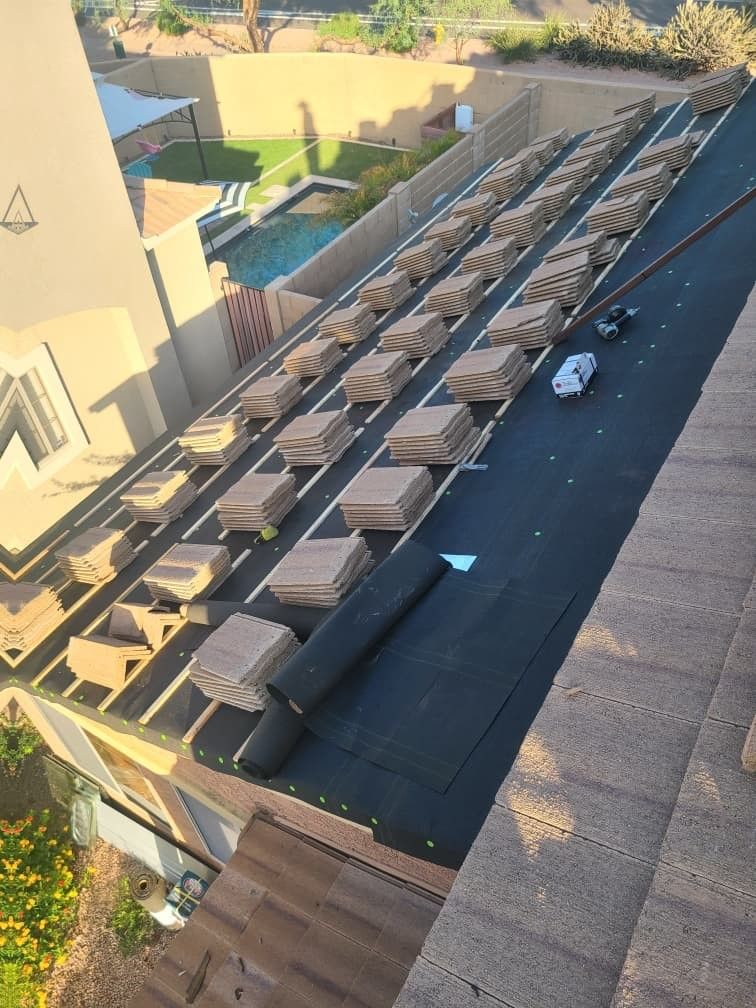
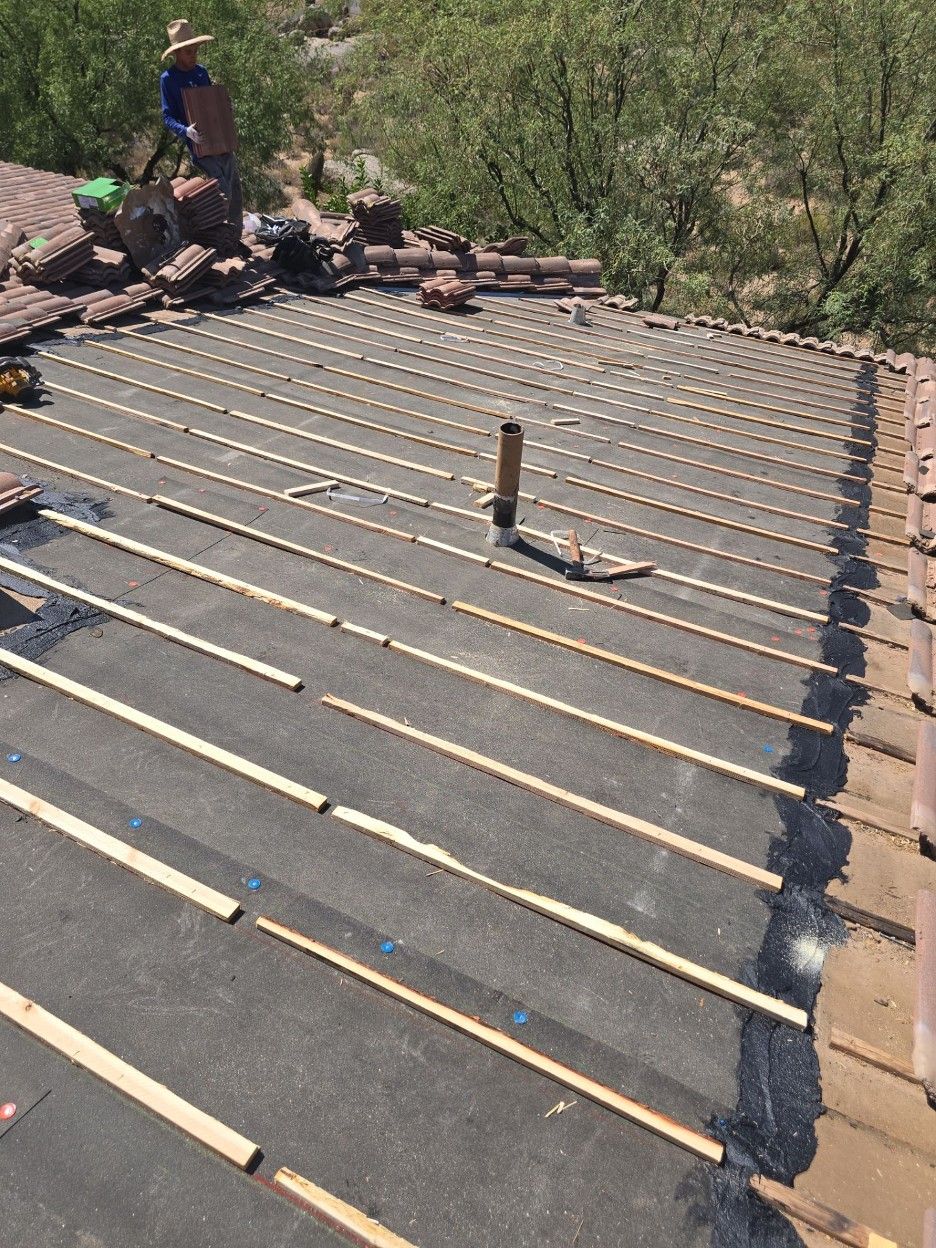
On tile roofs, new underlayment is the heart of the job, and sound tiles can often be reused. Shingle rows get new underlayment, flashing and a shingle matched to the community’s approved color. Flat sections behind parapets get new foam and coating. Our crews handle tile roof replacement for townhome rows and shingle reroofs on connected homes.
What should you ask your HOA before replacing a townhome roof?
Before replacing a townhome roof, ask your HOA whether the roof is your responsibility or the association’s, which colors and profiles are approved, whether a design review application is needed, and how long approval takes. Also ask whether neighbors on your building are planning a reroof, since joining them can simplify the party wall work.
Get the answers in writing and share them with us before we order materials. Approval delays are one of the most common reasons a townhome reroof slips on the calendar, and they are easy to avoid with an early application. We can supply product sheets and color samples for the committee.
How do you keep a townhome reroof from disrupting the neighbors?
We keep disruption low by telling the neighbors before work starts, keeping the dumpster and materials on the owner’s side of the property, protecting shared walkways, and cleaning up every day. We also schedule the loudest work, tear-off, for daytime hours and try to finish it as quickly as the roof allows.
Neighbors on a connected row hear and feel the work, so a heads-up goes a long way. We give the owner or HOA a short note with the dates and a contact number to pass along.
Where do you replace townhouse roofs in Metro Phoenix?
We replace townhouse roofs throughout Metro Phoenix from our Mesa office. Many of the townhome communities we reroof are in Peoria, Scottsdale and Phoenix, where older rows of tile and shingle homes are reaching the end of their underlayment’s life. See how we work with townhome owners in Peoria and across the West Valley.
Call (480) 427-7600, Monday to Friday from 8:00am to 4:00pm, to schedule an inspection of your townhome roof.