
How Professional Roof Inspections Cut Costs for Multi-Family Owners
A multi-family roof often gets attention only after it leaks. Scheduled professional inspections catch problems while they are cheap, protect warranties and keep rent coming in.
Key takeaways
- Icon Roofing inspects multi-family roofs for free, while other contractors typically charge $200 to $700.
- A minor membrane tear may cost a few hundred dollars to fix, but waiting until water damage sets in can push the bill past $10,000.
- Professional inspections twice a year, in spring and fall, help keep manufacturer warranties in force.
- Hidden leaks around HVAC units, satellite dishes and other rooftop equipment can go unnoticed for months without inspections.
- A written maintenance program with records and a set budget makes roof costs predictable.
Why do regular inspections save multi-family owners money?
Regular inspections find damage and early wear while repairs are still small and cheap. The roof is one of the biggest investments a multi-family owner makes, yet it often gets attention only after something goes wrong. Scheduled inspections turn surprise structural overhauls into planned minor repairs, which can save owners thousands of dollars.
Professional inspections give you a detailed picture of your building’s condition before small problems grow. They spot unnoticed damage and the early signs of wear, so you can fix issues while they are still easy to manage.
The savings go beyond repair bills. Regular inspections help protect property values and keep tenants happy. A well-maintained roof supports better energy efficiency and means fewer urgent repairs. Owners who stick to a regular inspection schedule report lower long-term maintenance costs and fewer tenant complaints about leaks or uneven heating and cooling.
What does a professional multi-family roof inspection cover?
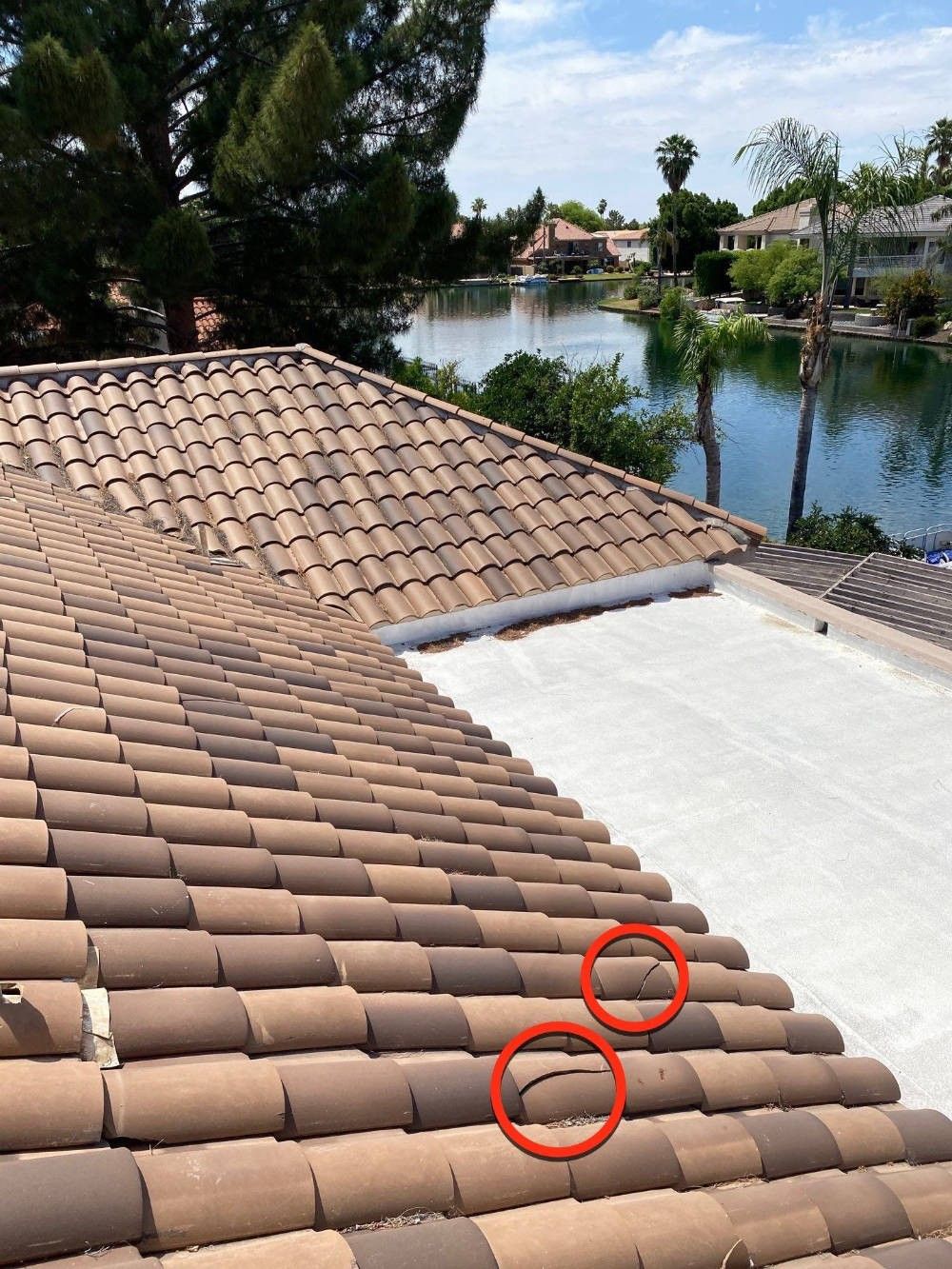
A professional inspection covers the roof surface, the flashing, the drainage and the structure underneath. Inspectors check membranes for blisters, tears and separated seams, look at flashing around vents, chimneys and penetrations, test drainage, and document wear such as granule loss or failing sealant. They also review past repairs and areas where water pools.
| Component | What the inspector documents |
|---|---|
| Membrane or roofing surface | Blisters, tears, seam separation, granule loss on shingles |
| Flashing | Sealing and attachment around vents, chimneys and other penetrations |
| Drainage | Gutters, downspouts and drains that let water build up |
| Ponding areas | Spots where water collects after rain |
| Sealants | Cracked or compromised sealant at joints and equipment |
| Previous repairs | Older patches that now need maintenance |
| Supporting structure | Sagging, water stains and other signs of trouble below |
Each finding goes into a report so you can see what needs attention now and what can be planned for later.
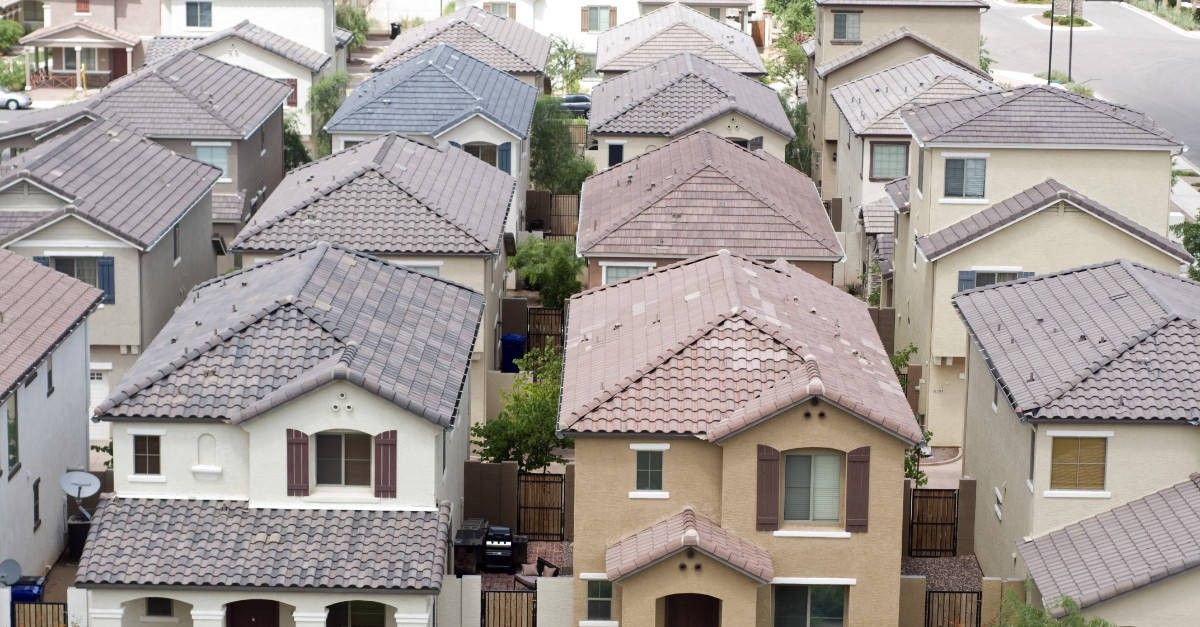
On a community with several buildings, the inspector should cover every roof, not a sample. Problems rarely spread evenly. One building may face the prevailing wind, sit under a large tree or carry more rooftop equipment than its neighbors. Where residents have reported stains, a look at those top-floor ceilings helps match what is happening inside to what is happening on the roof above it. You can see how we approach this on our page for multi-family housing roof inspections, or browse inspections for homes, apartments and commercial roofs.
What roof problems are unique to multi-family buildings?
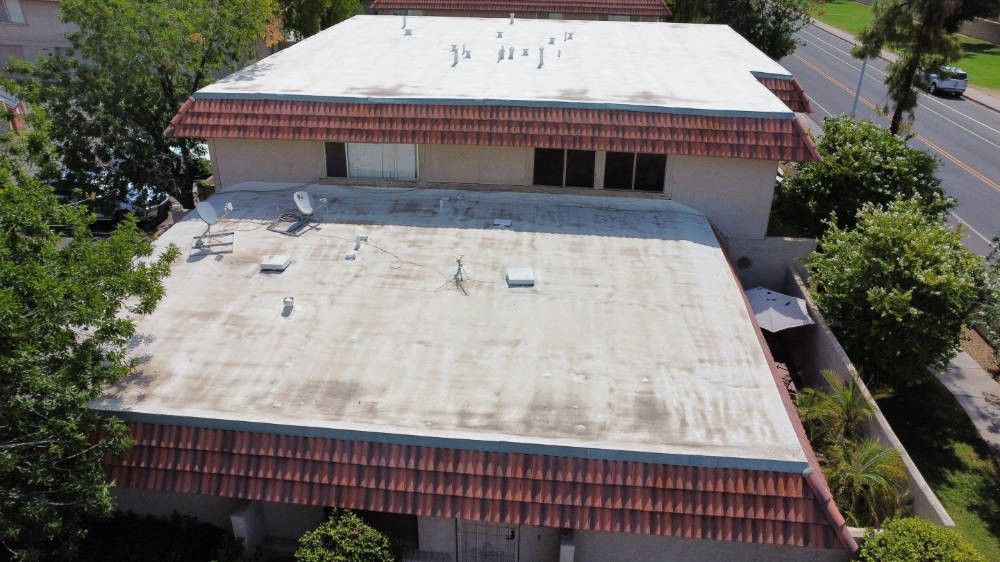
Multi-family roofs face problems single-family homes rarely do. Stray golf balls from nearby courses crack tile and puncture coatings. Residents using roof decks add wear. Hidden leaks form around HVAC units, satellite dishes and other rooftop equipment, and they can go unnoticed for months while they soak insulation and damage structural parts.
Weather adds another layer. Strong winds lift and damage roofing materials, especially at edges and around equipment. Poor ventilation lets moisture build up in attic spaces, which can lead to mold and make insulation less effective.
Rooftop equipment needs extra attention
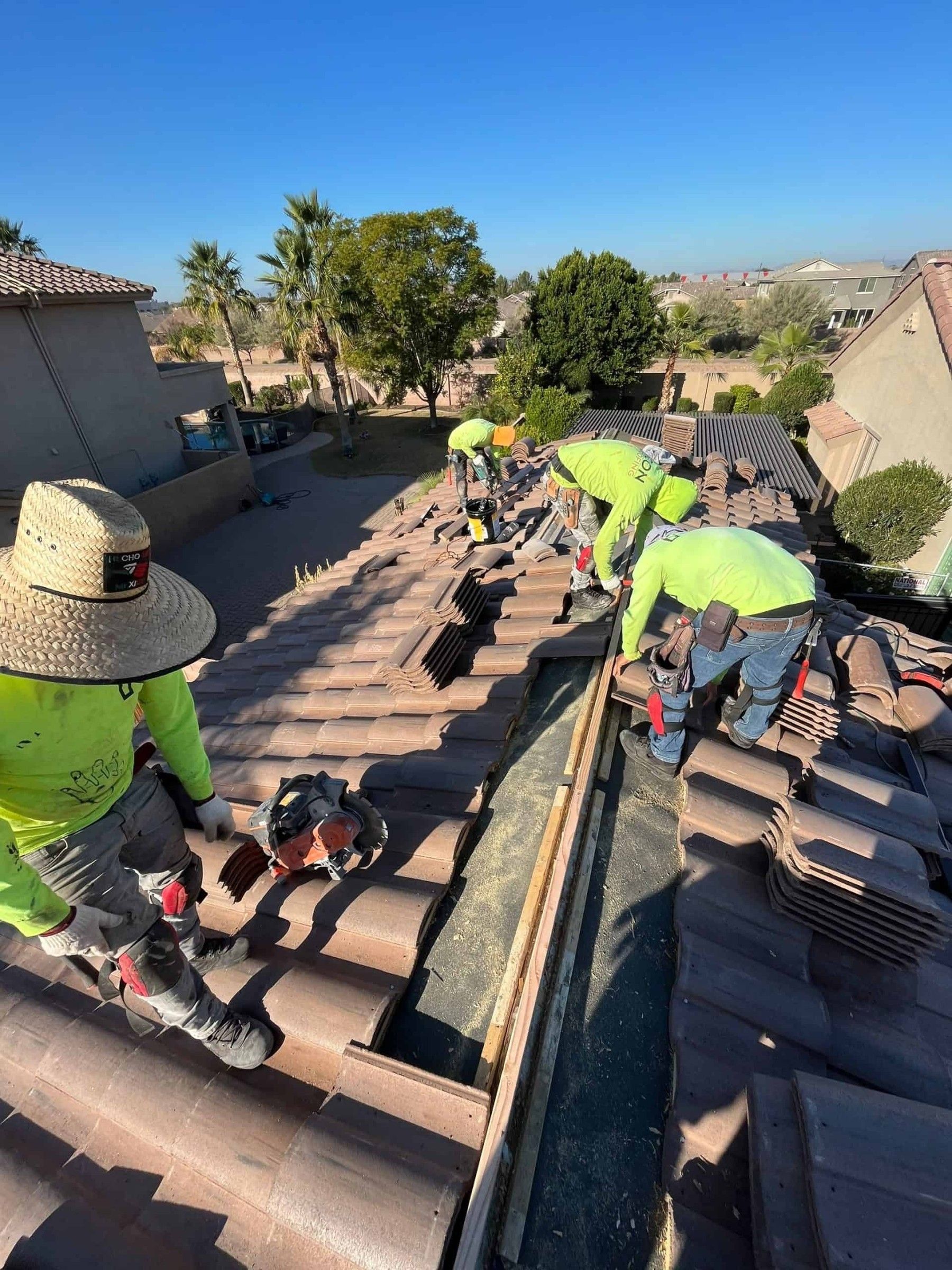
Rooftop equipment brings more people onto the roof than most owners realize. HVAC technicians walk across the surface to reach units, and installers mount dishes and conduit that pierce the roofing. Each visit can leave a scuffed coating, a loose screw or an unsealed mount behind. Ask vendors to report any work they do on the roof, and have your inspector check every equipment area on each visit.
Golf ball damage is a real issue in the Valley. Many condo and townhome communities in Scottsdale sit right along golf courses, and a single season of stray shots can leave a row of cracked tiles. If you manage property there, our page on roofing for Scottsdale properties explains what we find on those buildings.
How much can regular inspections save over a roof’s life?
Regular inspections can extend a roof’s lifespan by 25% or more through early detection and preventive maintenance. Owners who follow scheduled inspection and maintenance programs typically spend about 30% less on roof-related costs over a building’s life than owners who wait for problems. Early fixes cost less than late ones.
Here is a common example. A minor membrane tear may cost a few hundred dollars to repair. If it is left until water damage sets in, the repair can exceed $10,000.
Preventive maintenance from regular inspections also helps keep manufacturer warranties in force and stretches the service life of the roof. That gives you time to budget for an eventual replacement while getting the most out of the roof you have. It also protects rental income, because a sound roof means fewer units taken offline for leak repairs.
Inspection reports also help with long-range planning. When each report notes the roof’s condition and expected remaining life, you can see a replacement coming years ahead. That lets you set money aside, compare bids without pressure and schedule the work for cooler months instead of reacting to a failure in the middle of monsoon season.
How much does a multi-family roof inspection cost?
Icon Roofing provides free roof inspections for multi-family buildings. Other roofing contractors typically charge between $200 and $700, depending on the building’s size and complexity. Even at those prices, an inspection is a small cost next to the thousands it can save by catching problems before they turn into major repairs.
A free inspection removes the main reason owners put inspections off. You get a clear look at your roof’s condition, photos of any problems and a list of recommended repairs, with no cost to find out where you stand.
To get the most from the visit, have a few things ready:
- A way onto the roof, such as a roof hatch key or a safe ladder location
- A list of units that have reported leaks or stains, with dates
- Past inspection reports and repair records
- Any warranty paperwork for the current roof
What belongs in a multi-family roof maintenance program?
A full maintenance program includes inspections twice a year, detailed records of every repair and service visit, a dedicated maintenance budget, regular drain cleaning, prompt attention to any problem found, and documentation for warranty purposes. Together, these steps make roof costs predictable and help you avoid large unplanned bills.
Think of it as preventive healthcare for your building. Each part plays a role:
- Bi-annual inspections catch damage from each season.
- Detailed records show patterns and back up warranty and insurance claims.
- A dedicated budget means repairs happen on time instead of waiting for funds.
- Drain cleaning keeps water moving off the roof.
- Prompt repairs stop small problems from spreading.
- Warranty documentation protects your coverage.
The long-term benefits of a program like this far outweigh its cost. For more on running the day-to-day side, read our tips for maintaining apartment and condo roofs.
What signs mean a multi-family roof needs attention now?
Some signs should not wait for the next scheduled inspection. Water stains on ceilings or walls, rising energy bills, tenant complaints about leaks, visible damage to roofing materials, poor drainage or standing water, and unusual odors on upper floors all point to a problem. Any one of these is reason enough to call a roofer right away.
Resident reports are often your first warning. Ask residents to tell you about stains, drips or musty smells as soon as they notice them, and log each report with the unit number and date. Patterns in those reports often point straight to the source of a leak.
To schedule a free multi-family roof inspection, call Icon Roofing at (480) 427-7600, Monday to Friday, 8:00am to 4:00pm.