
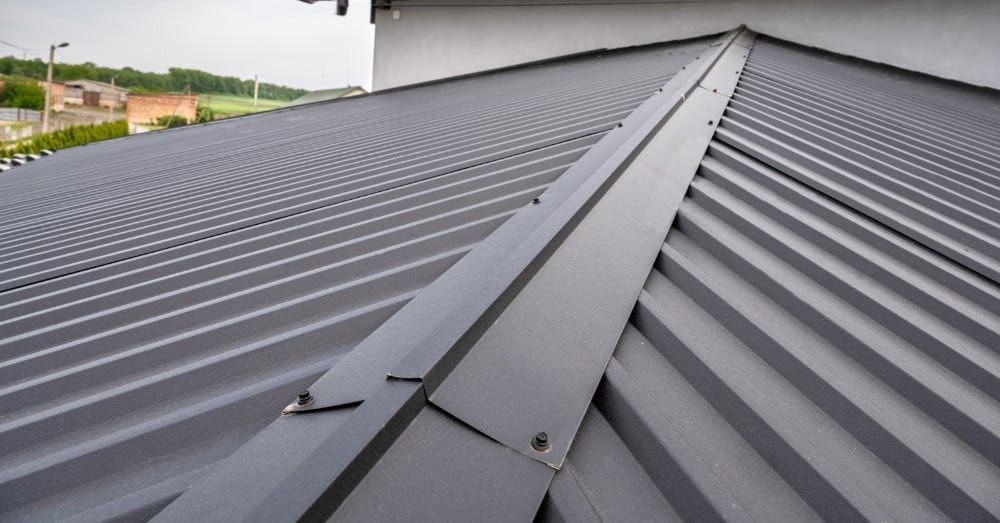
When should you replace a metal roof?
Replace a metal roof when panels are rusted through or badly corroded, leaks continue after repairs, the original installation was poor, or a storm has damaged the structure. Age is a factor too. An older metal roof showing heavy wear across most panels is usually better replaced than patched panel by panel.
Common reasons for a full replacement:
- Panels rusted or corroded through in several places
- Leaks or water damage that keep returning after repairs
- Poor original installation or low-quality materials
- Structural damage from wind, hail or a fallen tree
- An upgrade for a different look, better performance or resale value
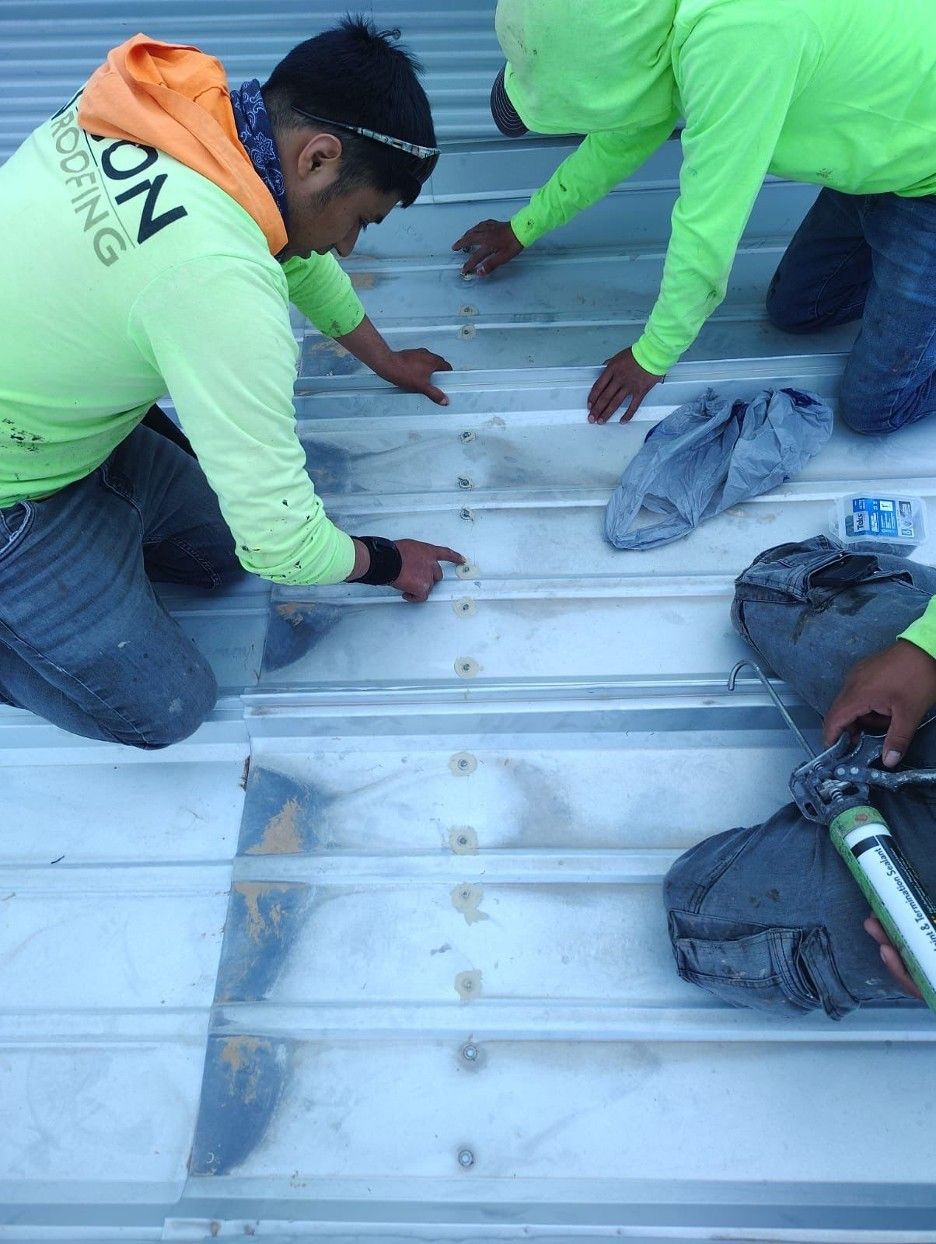
If only a few panels, seams or fasteners have failed, our crew handles fastener, seam and flashing repairs on metal roofs, which often adds years to the roof.
Why choose a metal roof for an Arizona home?
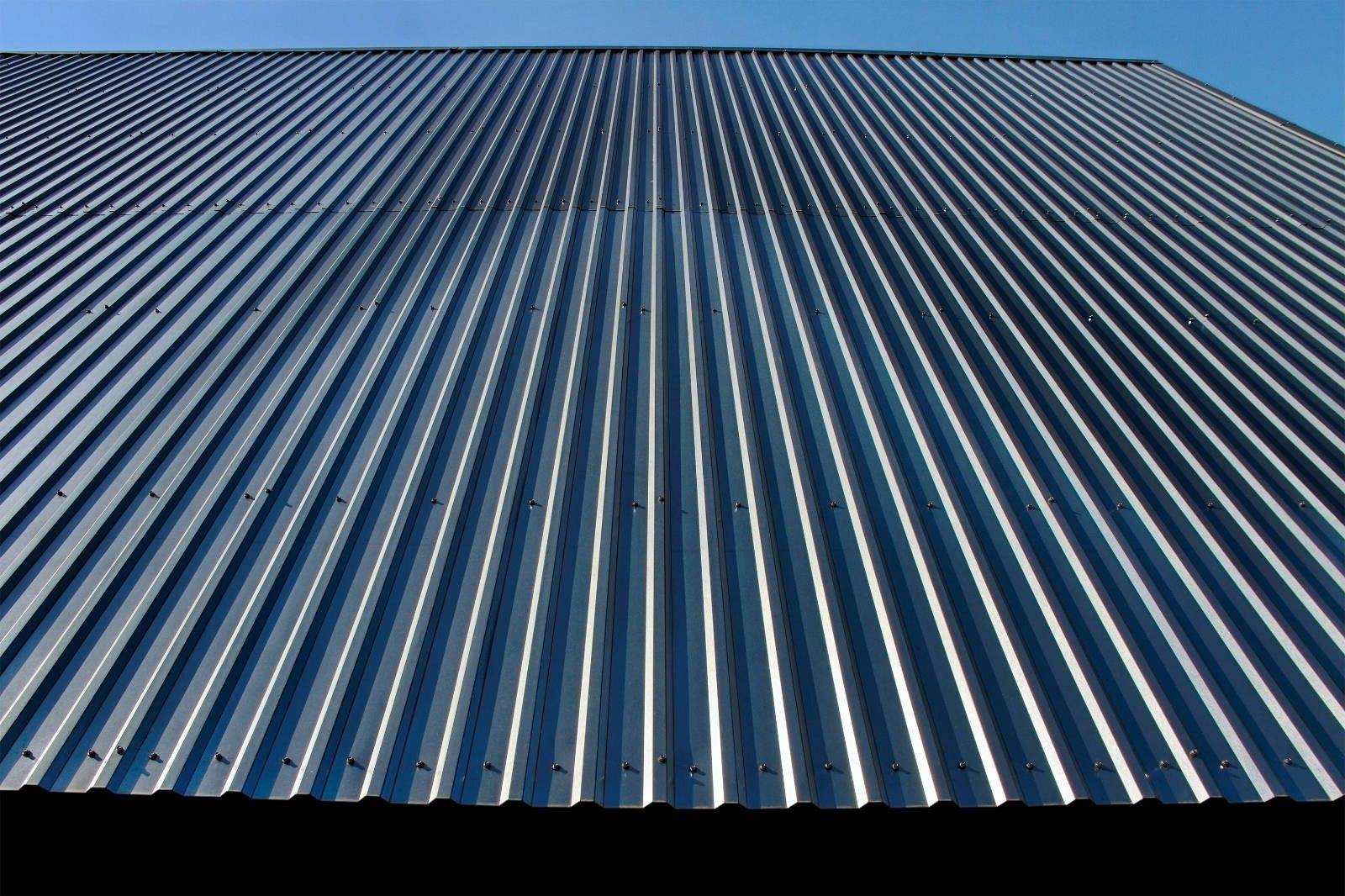
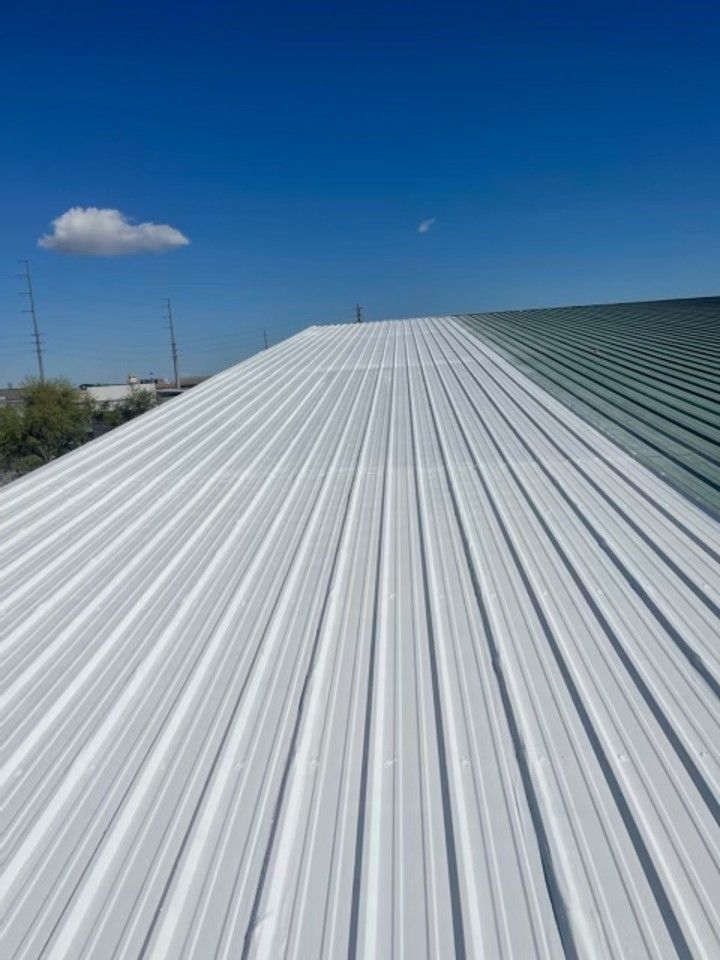
Metal roofs suit Arizona because they last a long time, stand up to wind, resist fire, and reflect much of the sun’s heat when they have a light or reflective finish. They need less upkeep than many roof types, and most metal roofing can be recycled at the end of its life. The trade-off is a higher upfront cost.
Here is how metal compares on the points homeowners ask about most:
- Durability. Metal stands up to wind, rot, insects and mildew.
- Fire. Metal does not burn, which matters near desert brush and in foothill areas.
- Heat. Reflective coatings bounce sunlight away from the attic.
- Upkeep. Fewer repairs than many roof types, especially with hidden-fastener systems.
- Look. Styles range from modern standing seam to panels and shingles that mimic tile, slate or shake.
Which types of metal roofing can you choose from?
The main types of metal roofing for homes are standing seam panels, exposed-fastener panels such as corrugated or ribbed metal, and metal shingles or tiles. Common metals include Galvalume steel, galvanized steel and aluminum, with copper and zinc as premium options. Each differs in look, cost and how much upkeep it needs.
| Type | What it is | Good to know |
|---|---|---|
| Standing seam | Interlocking vertical panels with hidden fasteners | Clean look, fewer exposed holes, higher cost |
| Corrugated or ribbed panels | Wavy or ribbed sheets screwed through the face | Lower cost, fasteners need checks over time |
| Galvalume or galvanized steel | Coated steel used in most panel types | Galvalume offers added corrosion resistance |
| Aluminum | Lightweight panels that do not rust | Costs more than steel |
| Metal shingles or tiles | Pressed metal shaped like tile, slate or shake | Traditional look with metal durability |
| Copper or zinc | Premium metals that weather to a patina | Highest cost, very long life |
What does a metal roof replacement involve?
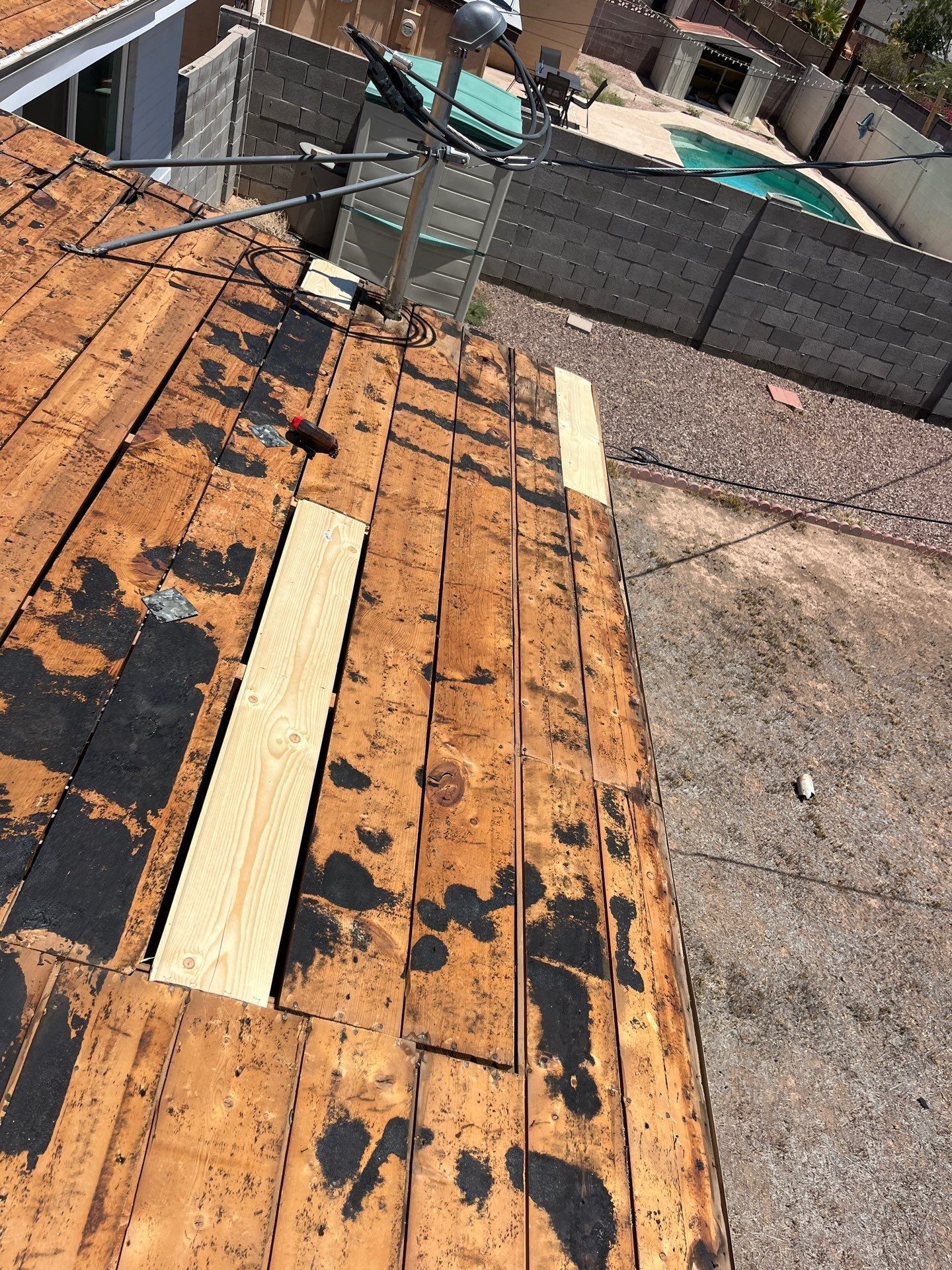
A metal roof replacement starts with a consultation and inspection, followed by a written proposal. On site, the crew removes the old roof, checks and repairs the decking, installs underlayment, then measures, cuts and fastens the new panels. Flashing, ridge caps, trim and any gutters go on last, followed by a final inspection.
Fastening patterns and flashing details matter more on metal than on many other roofs. Panels expand and contract with heat, so they have to be fastened in a way that allows movement without opening seams or loosening screws. We document the finished installation for your warranty and insurance records.
How long does a metal roof replacement take?
Many residential metal roof replacements take several days to about a week on site. Roof size and slope, the type of metal, the complexity of the roof, the weather, and whether the old roof comes off all affect the timeline. Larger or more detailed roofs take longer. Your estimate includes an expected schedule.
Custom panels sometimes need to be ordered, which can add lead time before the job starts. We tell you when to expect materials and keep you posted as the date gets close.
What affects the cost of a metal roof?
The cost of a metal roof depends mostly on the size and pitch of the roof, the type of metal and finish, and how complex the roof is. Multiple ridges, dormers, skylights and chimneys add labor and flashing. The condition of the decking and how easy the roof is to reach also affect the price.
Metal usually costs more up front than asphalt shingles. Many homeowners accept that because a metal roof can last far longer and needs less upkeep, which spreads the cost over more years. The fairest way to compare is a written estimate for each material on your own roof. Our article on how long each type of roof lasts can help you weigh the cost against the years of service.
What should you look for in a metal roofing contractor?
Look for a licensed and insured contractor with real metal roofing experience, clear written estimates, and warranties on both workmanship and materials. Metal takes specific tools and skills. Ask to see past metal jobs, ask who makes the panels, and confirm the installation meets the manufacturer’s requirements so the warranty stays valid.
Icon Roofing holds Arizona ROC# 333889 CR-42. Every job follows the Icon Way, which includes warranties on our craftsmanship and the materials we install, and metal panels carry their own manufacturer warranties. We go over the terms in your estimate. To spread out the cost, see Wisetack financing for a metal roof.
Where does Icon Roofing install metal roofs?
We replace and install metal roofs across Metro Phoenix, including Phoenix, Scottsdale and Peoria. Metal is especially popular in the desert foothills of Cave Creek and Carefree, where homeowners value its fire resistance and its look against the desert. Our crews work out of our Mesa office and travel to the North Valley for metal jobs.
See our page on roof replacement for Carefree homes, or go back to our roof replacement overview. If you are comparing metal with other options, our shingle roof replacement page covers the lower-cost choice.